The Rise of the Smart Kitchen

Imagine a kitchen where your coffee brews itself before you wake up, the refrigerator suggests recipes based on its contents, and your oven preheats itself in anticipation of dinner. Welcome to the smart kitchen of 2026. As technology continues to intertwine with every facet of our lives, our culinary spaces are not left behind. The current evolution in kitchen design isn’t just about aesthetics—it’s about creating an efficient, seamless, and intuitive cooking experience that adapts to our increasingly dynamic lifestyles.
Innovative Appliances That Think Ahead
Today’s smart kitchen appliances are no longer limited to voice commands or remote operations. They’re designed to anticipate your needs and make cooking more enjoyable. For instance, the latest smart ovens can adjust cooking times based on the type and quantity of food, ensuring perfect results every time. Refrigerators now come with interior cameras and AI-driven inventory systems that notify you when you’re running low on essentials or when items are nearing their expiration dates. It’s not just about convenience; it’s about minimizing waste and optimizing your kitchen’s functionality.
Personalized Culinary Experiences
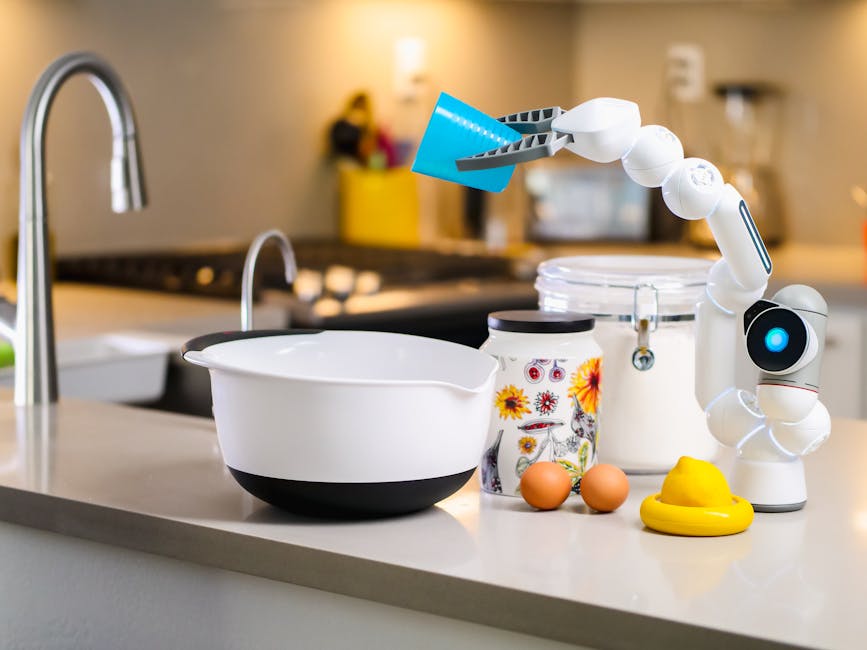
Customization is king in the 2026 kitchen. Whether it’s a connected coffee machine that remembers your morning brew preference or a modular countertop that transforms into a high-tech cooking interface, personalization is embedded into every design choice. Smart cooktops with integrated recipe displays and step-by-step guides make trying new dishes less intimidating, turning anyone into a gourmet chef. Moreover, apps that sync with these devices allow for tailored meal plans and grocery lists, ensuring that you’re always ready to cook up a storm.
Eco-Friendly and Energy-Efficient Designs

Environmental consciousness is at the heart of modern kitchen innovations. Energy-efficient appliances with eco modes reduce electricity consumption without compromising performance. Many smart dishwashers now recycle water, and self-cleaning ovens minimize chemical use. Solar-powered kitchen gadgets are becoming popular, offering sustainable options for the environmentally aware. With sustainability in mind, smart kitchens are designed to reduce our carbon footprint significantly.
Designing for Connectivity and Integration
As the Internet of Things (IoT) revolutionizes home environments, the design of smart kitchens emphasizes connectivity. Seamless integration with smart home systems enables centralized control over all kitchen appliances, lighting, and even window shades, creating a harmonious environment where everything syncs together. This interconnectedness extends to safety features as well, such as gas leak detectors and smoke sensors that alert you, no matter your location, ensuring peace of mind.
The Future of Social Cooking
Our kitchens are more than just places to prepare food; they’re spaces to socialize, entertain, and create memories. With virtual interfaces and holographic displays, cooking classes and dinner parties can now include friends and family from across the globe. Collaborative cooking apps connect you with other food enthusiasts, allowing for shared culinary experiences and recipe exchanges. This social aspect of cooking is enriched by the technology that makes our kitchens more inclusive and engaging.
Your Smart Kitchen Awaits
As we look ahead, the boundaries of what’s possible in our home kitchens continue to expand. By embracing these technological advancements, we can transform everyday cooking into an inspiring and efficient activity. Whether you’re a culinary enthusiast eager to explore gourmet recipes or someone who just wants to whip up quick, healthy meals, smart kitchens offer a world of possibilities. So, as you plan your next kitchen upgrade, consider how these innovations can enhance not just your cooking but your entire lifestyle.