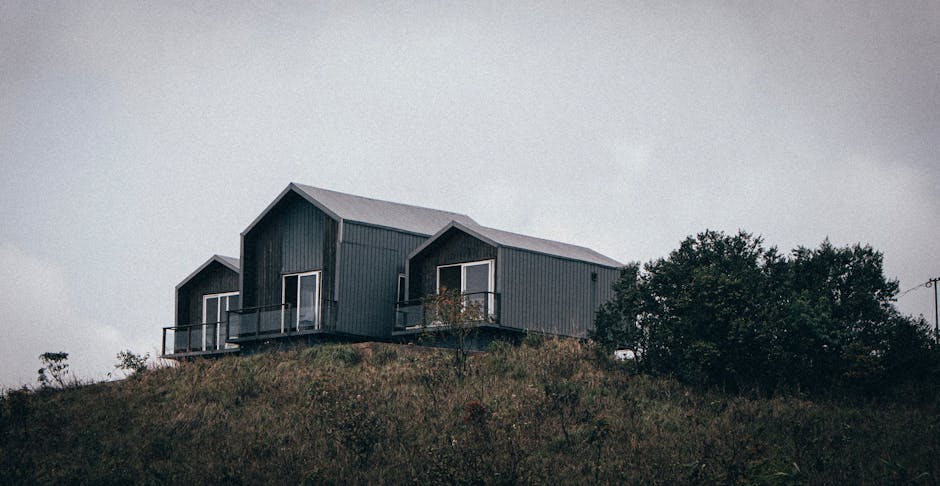
Understanding the Need for Personal Retreat Spaces
In 2026, our homes are more than just places to eat and sleep; they are sanctuaries and personal retreats. With the rise of remote work and the demands of modern life, having a dedicated space to unwind is crucial. These spaces aren’t just about aesthetics—they’re about creating a personal zone for relaxation, reflection, and rejuvenation.
Defining Your Personal Retreat: What Do You Need?
Before you start designing your sanctuary, ask yourself, “What brings me peace?” For some, it’s a quiet reading nook with a comfy chair and good lighting. For others, it might be a yoga corner with soft flooring and ambient sounds. Identify your needs to ensure your space serves its purpose.
- Introverts: Consider a cozy corner with books and dim lighting.
- Extroverts: Create a vibrant space with music and room for activities.
- Meditators: Use calming colors and natural elements to foster tranquility.
Choosing the Right Location
Location is key when designing a personal retreat. Ideally, choose a spot in your home that’s away from the hustle and bustle. Perhaps a disused corner of the living room, a spare bedroom, or even a well-insulated attic. Avoid high-traffic areas to maintain the peace.
For urban dwellers, consider transforming a section of your balcony into a retreat. With the right plants and seating, it can become a serene oasis in the midst of city noise.
Embracing Biophilic Design
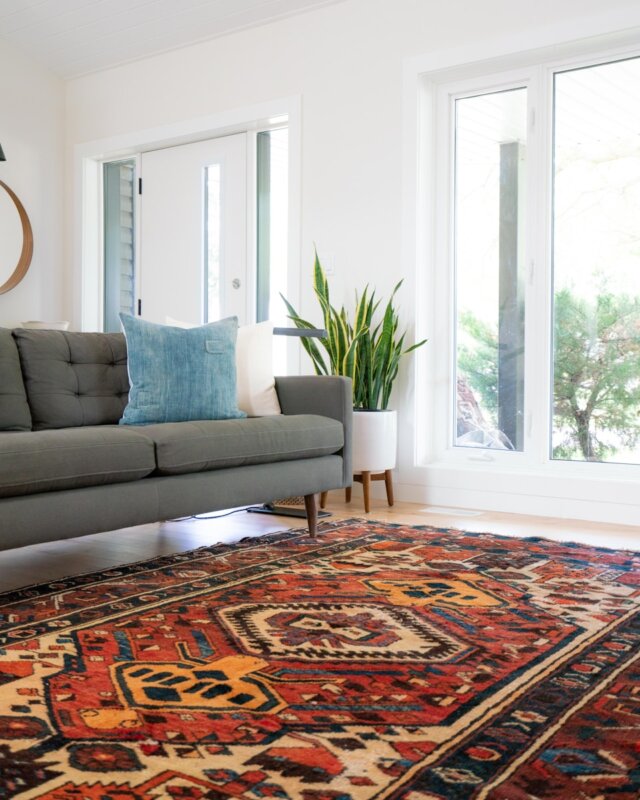
The biophilic design trend continues to dominate home interiors in 2026. Bringing nature indoors not only enhances the aesthetic but also boosts mental well-being. Incorporate natural elements like potted plants, wooden furniture, and stone features to create a calming environment.
Research from the University of Exeter found that adding even just a few plants can improve happiness and productivity by up to 15%. So, don’t underestimate the power of a little greenery!
Integrating Sensory Elements
Engage all your senses to create a truly immersive sanctuary. Consider the following:
- Sound: Implement soundscapes with apps or devices that play nature sounds or calming music.
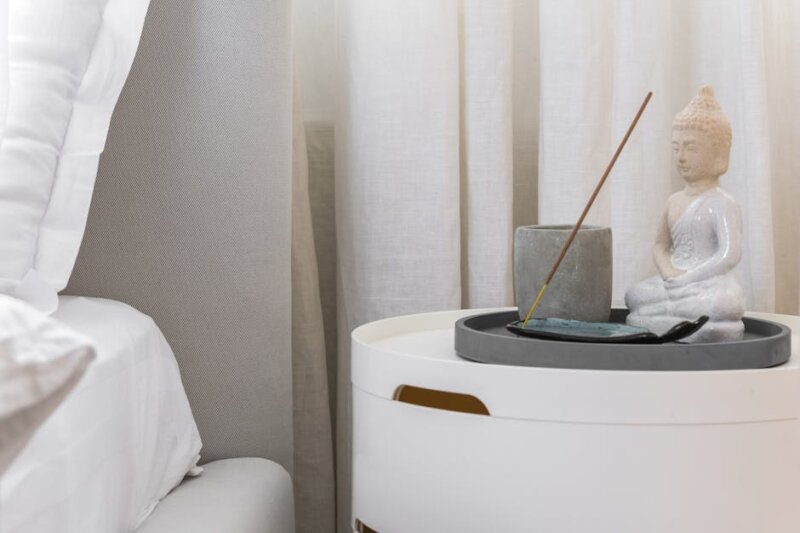
- Scent: Use essential oil diffusers or candles to introduce soothing aromas like lavender or eucalyptus.
- Touch: Opt for soft textures like plush throws and cushions.
- Sight: Use calming color palettes—think soft blues, greens, and neutrals.
Maintaining Your Sanctuary
Creating your personal retreat is just the beginning; maintaining it is where the challenge lies. Regularly declutter your space to keep it inviting and stress-free. Set boundaries with family members or roommates to ensure your sanctuary remains a peaceful haven.
Consider scheduling regular “retreat times” where you unplug from devices and spend time in your sanctuary. This could be a daily practice or a weekend ritual, whatever fits your lifestyle.
Takeaway: Designing a personal retreat in your home is about creating a space tailored to your needs for relaxation and rejuvenation. It’s an ongoing process of defining, creating, and maintaining a sanctuary that brings peace amid life’s chaos.