Welcome to the World of Home Alchemy
The art of transforming spaces through color has reached new heights in 2026. Gone are the days when a fresh coat of paint was merely a cosmetic change—today, understanding color psychology can turn your home into a sanctuary of positivity and productivity. It’s not just about aesthetics anymore; it’s about crafting an environment that resonates with your emotions and aspirations.
The Science Behind Color Psychology
Color psychology is more than just a trendy buzzword. This field studies how colors influence perceptions and behaviors, a principle rooted in both scientific research and centuries-old traditions. In 2026, advancements have deepened our understanding of how specific hues can impact our mood and productivity. For instance, research from the University of Amsterdam demonstrates that blue shades enhance focus and efficiency, while green promotes relaxation and creativity.
With this knowledge, homeowners can curate spaces that cater to their needs, be it a calming bedroom or an invigorating home office. The key is to blend science with personal preferences to craft an environment that feels uniquely yours.
Color Trends of 2026
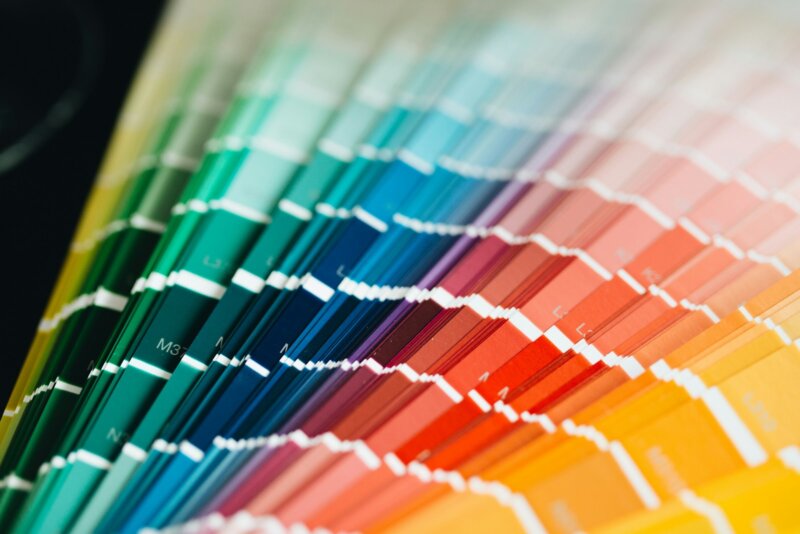
- Serene Blues and Greens: These colors continue to dominate, embodying tranquility and renewal. Ideal for living rooms and home offices, they offer a soothing backdrop for work and relaxation.
- Warm Terracotta and Earthy Browns: Inspired by the natural world, these hues bring warmth and grounding to any space. They’re especially popular in kitchens and dining areas, perfect for fostering gatherings and connections.
- Vibrant Purples and Lavenders: Symbolizing creativity and luxury, these colors are making a bold comeback. Use them in bedrooms and creative studios to stimulate innovative thinking and restful sleep.
- Sunlit Yellows: As an antidote to gloomy days, yellows uplift and energize. They’re perfect for entryways and bathrooms, infusing spaces with positivity and light.
How to Apply Color Psychology at Home

Adopting color psychology in your home isn’t about making drastic changes; it’s about thoughtful curation. Start by assessing each room’s purpose and the emotions you wish to cultivate there. For instance, if you work from home, consider painting your office walls a soft blue to enhance concentration. Alternatively, a splash of green in your living room can encourage relaxation after a long day.
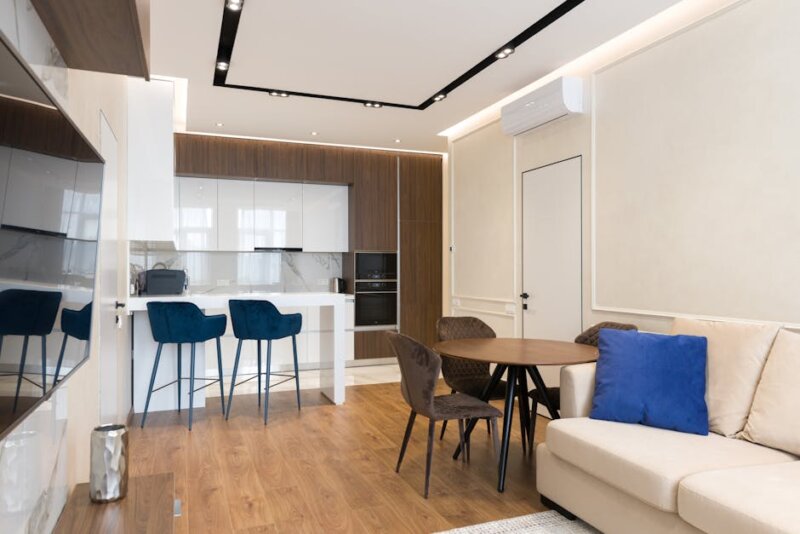
Don’t forget about accent colors! These can either complement the primary hue or add contrast to liven up the space. Think of bright cushions or a bold artwork that injects personality without overwhelming your senses.
Personalizing Your Palette
While trends offer inspiration, the most impactful spaces reflect their inhabitants’ personalities and experiences. Personalization in 2026 is key—mix and match shades that resonate with your unique narrative. For instance, if you have cherished memories linked to a specific place, incorporate those colors into your home. A soft lavender might recall a childhood garden, while a deep ocean blue could remind you of a memorable seaside holiday.
Technology also plays a role here. Smart home systems now allow you to adjust room lighting to mimic different times of the day, further enhancing the psychological impact of your chosen colors. Imagine waking up to a gentle sunrise glow or winding down with a calming twilight ambiance, all at the tap of a button.
A Practical Takeaway

Embracing color psychology in your home is like embarking on a journey of discovery. By understanding the powerful language of colors, you can create spaces that not only look beautiful but also foster emotional and psychological well-being. Take the time to experiment with shades and observe how they transform your daily life. Your home has the potential to be a haven of comfort and inspiration, crafted by the thoughtful alchemy of color.