Understanding the Eco-Connected Home

As we journey into 2026, the concept of the eco-connected home is gaining traction in communities worldwide. It’s about more than just solar panels and energy-efficient appliances; it’s a holistic approach to living that marries sustainability with technology and community engagement. This movement sees homes not just as standalone units but as interactive nodes within a larger, environmentally conscious community. Imagine neighborhoods where homes share resources, data, and even energy to create a more resilient, eco-friendly future.
Self-Sustaining Energy Systems
The backbone of any eco-connected home is its energy system. The year 2026 has seen significant advancements in home-based renewable energy technologies. Solar panels are more efficient and affordable than ever before, but the game-changer is the rise of local energy grids. These microgrids allow communities to produce and share energy, reducing reliance on larger, less sustainable power sources.
- Solar Innovations: Solar tiles have become the new norm, seamlessly integrating into roofing designs and offering higher efficiency rates compared to their panel predecessors.
- Wind and Water: In coastal or windy regions, small-scale wind turbines and hydroelectric systems provide additional power sources, all connected to the home’s smart grid to optimize energy use.
- Energy Storage: Advancements in battery technology mean homes can store excess energy for use during peak times, or even sell it back to the community grid, fostering a spirit of energy sharing.
Smart Water Management
Water scarcity is a pressing issue, and eco-connected homes are at the forefront of innovative water management. New systems are designed to minimize waste and promote sustainable use of this precious resource.
- Rainwater Harvesting: Homes are equipped with systems to collect and filter rainwater for use in gardening, flushing toilets, or even potable purposes after proper treatment.
- Greywater Recycling: Used water from sinks and showers is treated and reused for irrigation or toilet flushing, reducing the overall water footprint.
- Smart Irrigation: Connected to weather forecasts and soil sensors, these systems optimize watering schedules to conserve water and maintain lush gardens.
Community Integration and Shared Resources
Eco-connected homes extend their reach beyond their own walls, contributing to and benefiting from the larger community. Shared spaces and resources foster a sense of collaboration and sustainability.
- Community Gardens: These shared spaces allow residents to grow their own food, fostering connection and reducing reliance on transported goods.
- Shared Electric Vehicles: Rather than owning individual cars, communities invest in shared electric vehicles, easily booked via a smartphone app and reducing the carbon footprint of personal transportation.
- Resource Sharing Apps: Platforms that allow neighbors to lend and borrow tools, appliances, or even skills, reducing consumerism and promoting a sharing economy.
The Role of Technology in Eco-Connected Living
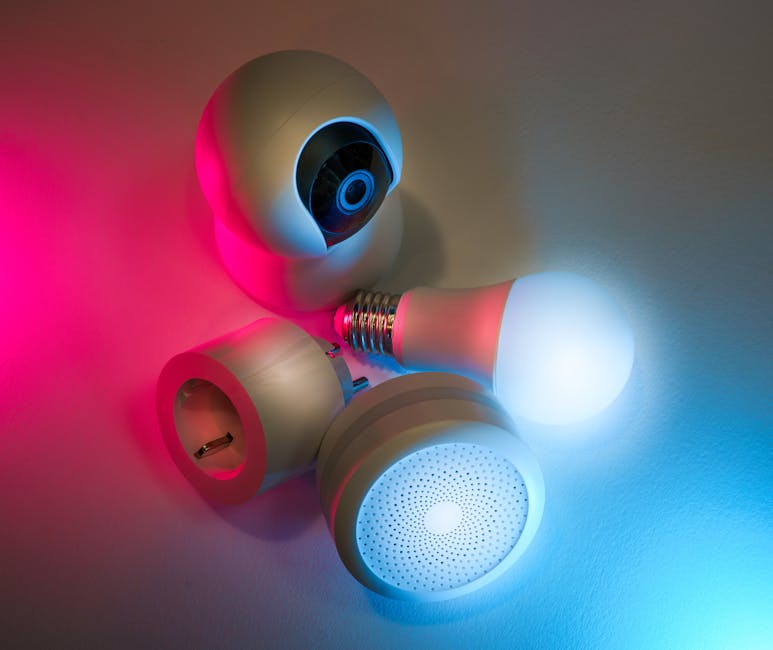
Technology is the glue that binds eco-connected homes. Smart home systems have evolved to not only enhance comfort but also ensure efficient resource use.
- Home Automation: Automated systems adjust lighting, heating, and cooling based on occupancy and time of day, optimizing energy use and comfort.
- Data-Driven Decision Making: Real-time data on energy and water use helps homeowners make informed decisions about their consumption habits.
- Community Platforms: Online platforms connect residents, facilitating the exchange of ideas, resources, and support in building a sustainable living environment.
Practical Takeaway
Embracing an eco-connected lifestyle is about making conscious choices that benefit both the individual and the community. By integrating renewable energy sources, innovative water management, community resources, and cutting-edge technology, we not only reduce our environmental footprint but also foster a supportive, interconnected neighborhood. As we move forward in 2026, consider how your home can become part of this exciting movement towards a more sustainable and connected future.