Understanding Indoor Airscaping
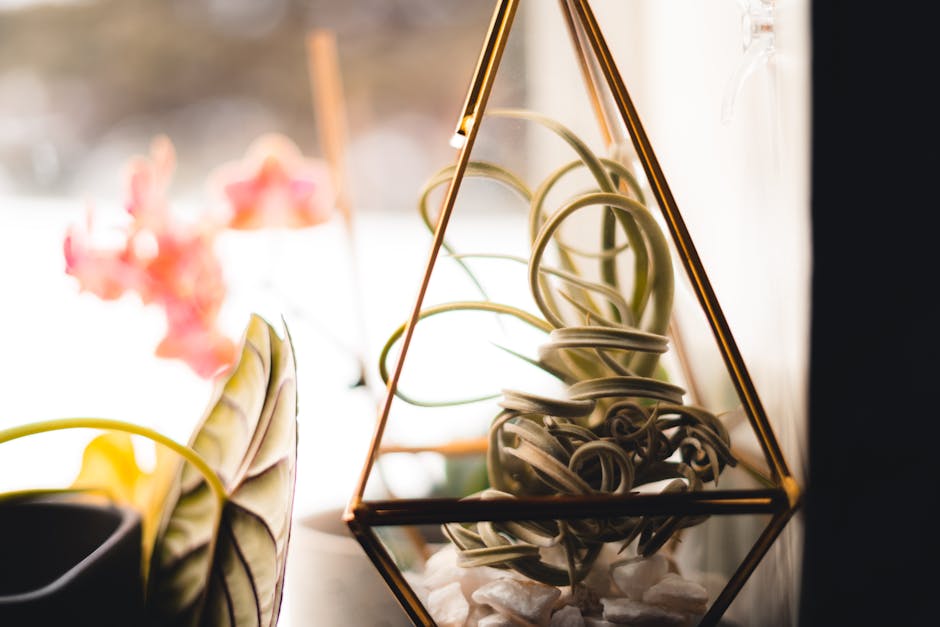
In 2026, the concept of indoor airscaping is taking the world by storm, transforming interior spaces into lush, breathable sanctuaries. But what exactly is airscaping? Simply put, it’s the strategic integration of indoor plants to enhance air quality, aesthetic appeal, and overall well-being. Unlike traditional houseplant decor, airscaping involves a thoughtful arrangement of plants that not only beautifies but also purifies your living space. This trend is particularly popular in urban areas where outdoor green spaces are limited, offering a sustainable way to bring nature indoors.
The Science Behind Cleaner Air
Indoor plants have been celebrated for their ability to improve air quality by absorbing carbon dioxide and releasing oxygen through photosynthesis. However, recent research has uncovered that certain plants excel at removing harmful indoor pollutants such as benzene, formaldehyde, and trichloroethylene. Plants like the snake plant, spider plant, and peace lily are powerful natural filters, capable of significantly enhancing the air you breathe at home. By incorporating these plants into your indoor airscape, you can reduce the presence of toxins and promote a healthier living environment.
Designing Your Airscape: Tips and Tricks
Creating an effective airscape goes beyond randomly placing a few potted plants around your home. It involves a harmonious blend of aesthetics and functionality. Here are some tips to get you started:
- Understand Your Space: Evaluate the natural light, humidity levels, and temperature in different areas of your home. This will help you choose plants that thrive in those conditions.
- Layer Your Greenery: Mix tall plants with shorter ones to create depth and visual interest. Consider hanging plants to take advantage of vertical space.
- Choose the Right Containers: Opt for pots that complement your decor while providing adequate drainage to prevent root rot. Ceramic, terracotta, and even biodegradable options are popular this year.
- Prioritize High-Impact Areas: Focus on rooms where you spend the most time—such as the living room, bedroom, and home office—to maximize the health benefits.
Beyond Aesthetics: The Mental Health Benefits
While the physical health benefits of airscaping are well-documented, its impact on mental well-being is equally profound. Studies have shown that being surrounded by greenery can reduce stress, boost mood, and increase productivity. Airscaping offers a therapeutic escape from digital screens and the chaos of modern life, helping to foster a sense of peace and relaxation. Imagine turning a corner of your living room into a tranquil oasis filled with calming hues of green—it’s not just about decoration; it’s about crafting a space that nurtures your mind and soul.
Caring for Your Airscape
Maintaining an indoor airscape requires regular care and attention, but the rewards are worth the effort. Here are some maintenance tips to keep your plants thriving:
- Regular Watering: Understand the water needs of each plant and adjust your watering routine accordingly. Overwatering is a common mistake, so ensure the soil dries out between waterings.
- Pruning and Cleaning: Remove dead leaves and dust the foliage regularly to ensure the plants continue to photosynthesize efficiently.
- Fertilization: Use organic fertilizers during the growing season to provide essential nutrients and promote robust growth.
- Monitor for Pests: Keep an eye out for common indoor pests like spider mites and aphids, and treat infestations promptly using natural remedies.
Your Home, Your Sanctuary
By embracing the art of indoor airscaping in 2026, you’re not just decorating your home—you’re creating a living, breathing sanctuary that supports both physical and mental well-being. As you curate your indoor airscape, remember that the journey is as important as the destination. Enjoy the process of selecting plants, arranging them with care, and watching them flourish in your space. With each leaf, vine, and blossom, your home will become a testament to the beauty and benefits of bringing nature indoors.
Takeaway: Transform your living environment by integrating indoor airscaping practices. Prioritize plant selection, design, and maintenance to create a healthier, more inspiring home in 2026.