The Rise of Home Art Studios
With the increasing value placed on creativity and self-expression, more individuals are opting to carve out spaces in their homes dedicated to artistic pursuits. Whether you’re a seasoned artist or a passionate hobbyist, having a personal art studio at home can be a game-changer. Not only does it offer a sanctuary for unfettered creativity, but it also serves as a space to unwind and break away from the daily grind.
In 2026, the home art studio is no longer just a makeshift corner with a canvas and some paintbrushes. It’s an organized, inspiring, and functional space that reflects your personal style and artistic needs. Here’s how you can design your own haven of creativity.
Choosing the Right Space
First things first, identify the perfect location for your art studio. Look for a space with ample natural light, as it significantly impacts your ability to perceive color and detail. If you’re limited on windows, consider investing in full-spectrum lighting options that mimic daylight.

Size matters too. While not everyone can dedicate an entire room to their art studio, even a nook can be transformed into a creative oasis with smart planning. Consider spaces like a spare bedroom, a quiet corner of the living room, or even an attic or basement. Just ensure it’s a place where you can focus and feel inspired.
Essential Furniture and Storage
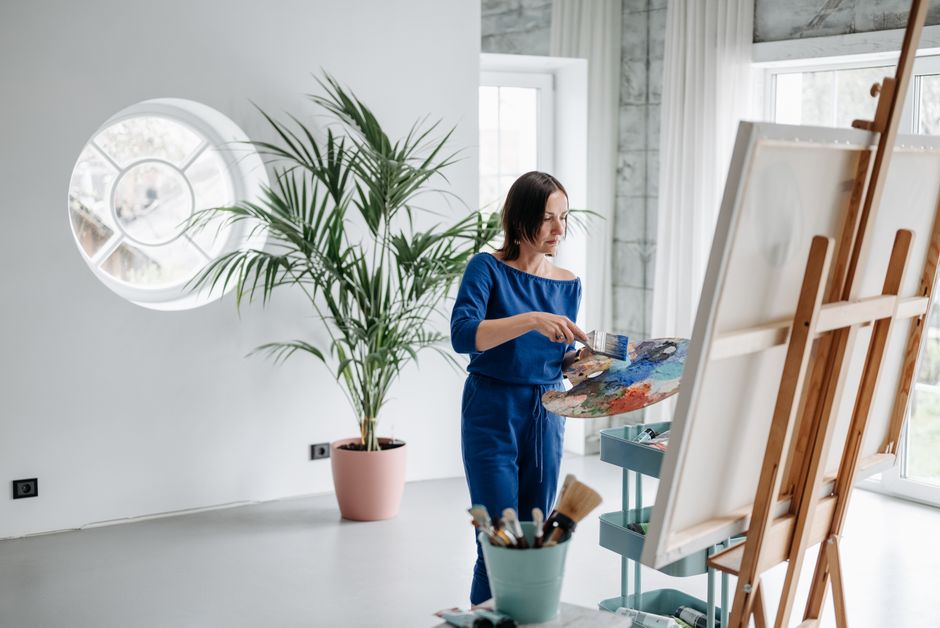
A functional art studio requires the right furniture. Start with a sturdy table or easel, depending on your artistic medium. A large, flat surface is ideal for painters, while sculptors might need adjustable tables to accommodate different angles.
Storage is equally crucial in keeping your space organized and your materials accessible. Opt for shelving units, drawer organizers, and cabinets that allow you to categorize supplies like paints, brushes, pencils, and sketchbooks. Don’t forget to incorporate containers for smaller items and a filing system for references and inspiration.
Inspiration and Personalization
Your art studio should be a reflection of your personality and artistic style. Decorate the walls with pieces that inspire you, whether it’s your own work, prints from artists you admire, or a vision board of ideas. Add a comfortable chair or a bean bag for moments when you need to take a step back and reflect.

Personal touches, such as a favorite plant, a mood-setting playlist, or a vibrant area rug, can significantly impact your studio’s atmosphere. These elements make the space uniquely yours and give it a warmth that invites creativity.
Integrating Technology
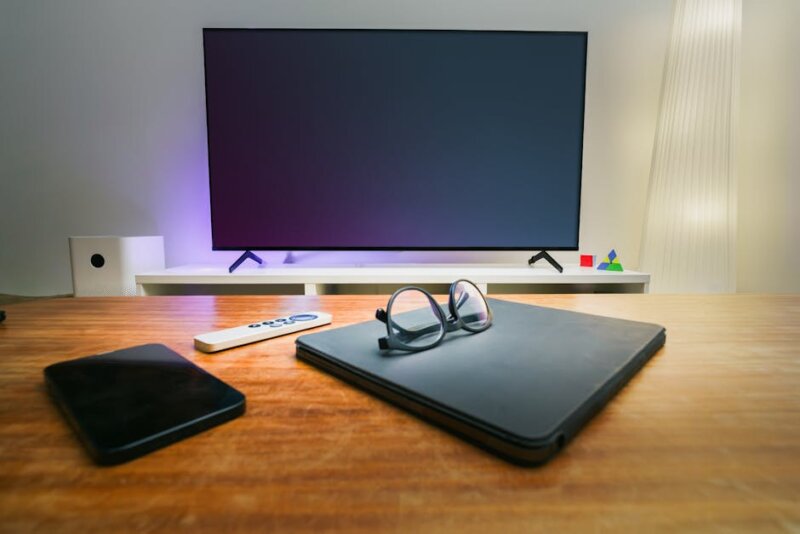
In 2026, technology plays an increasingly important role in art. Equip your studio with tools like a digital drawing tablet, a high-resolution scanner for digitizing work, or even a 3D printer for experimenting with new forms and textures. These devices can expand your creative horizons and streamline your workflow.
Additionally, consider setting up a dedicated area for virtual courses, art tutorials, and video conferencing. With the wealth of online resources available, ongoing learning is just a click away.
Practical Takeaway
Creating a home art studio is an investment in your creative journey. It’s about finding a balance between functionality and inspiration, ensuring that your space serves not only as a workspace but also as a refuge where your ideas can flow freely. As you design your studio, keep in mind that it’s a dynamic space meant to evolve with your artistic practices and passions.