The Rise of Home Wellness Retreats

In 2026, the concept of luxury has shifted from opulence to wellness, from materialism to mindfulness. The trend of transforming home spaces into personal wellness retreats is gaining momentum, as more people prioritize self-care and mental well-being. A home spa isn’t just about aesthetics; it’s about creating a sanctuary where one can unwind, rejuvenate, and heal. Whether it’s a small corner of your bathroom or an entire room dedicated to relaxation, crafting a home spa is about using your space wisely to promote peace and tranquility.
Key Elements of a Home Spa
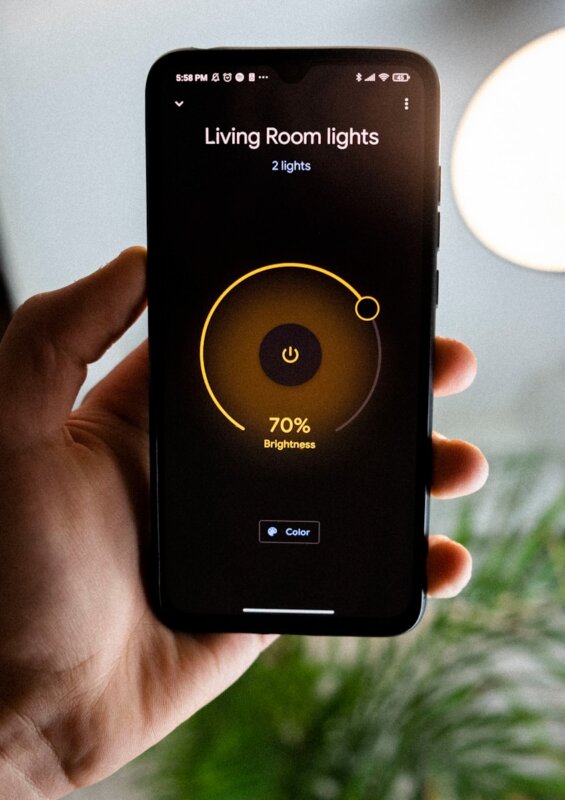
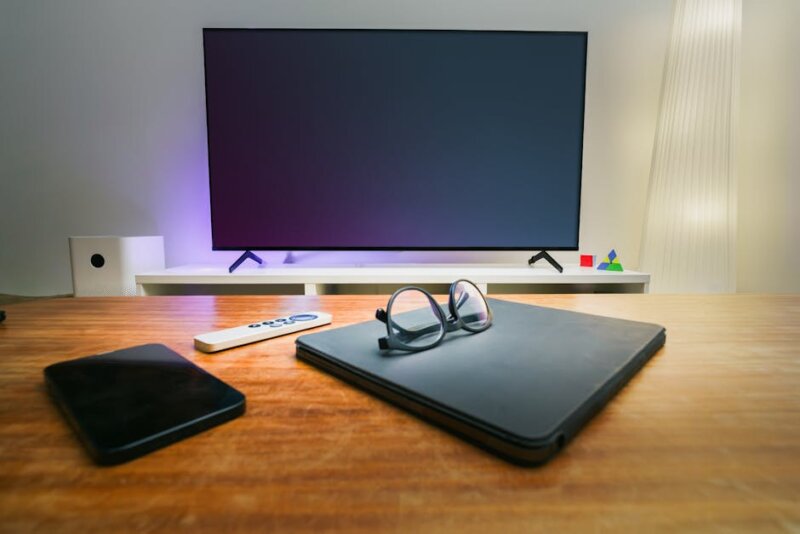
A successful home spa focuses on engaging all the senses. Start with the basics: lighting. Soft, adjustable lighting can set the mood for relaxation. Consider smart LED lights that can be dimmed and customized in color to align with your relaxation mood. Next, think about sound. Incorporate a sound system that allows for easy programming of soothing playlists or nature sounds. The gentle ripple of water, chirping of birds, or a soft piano melody can transform your space into a serene oasis.
Don’t forget textures. Plush towels, soft robes, and natural stone or wood can enhance the tactile experience. Opt for sustainably sourced materials which add an eco-friendly dimension to your oasis. And then, aroma. Invest in a high-quality diffuser or an array of scented candles. Scents like lavender, eucalyptus, and sandalwood are known for their calming properties.
Incorporating Water Elements

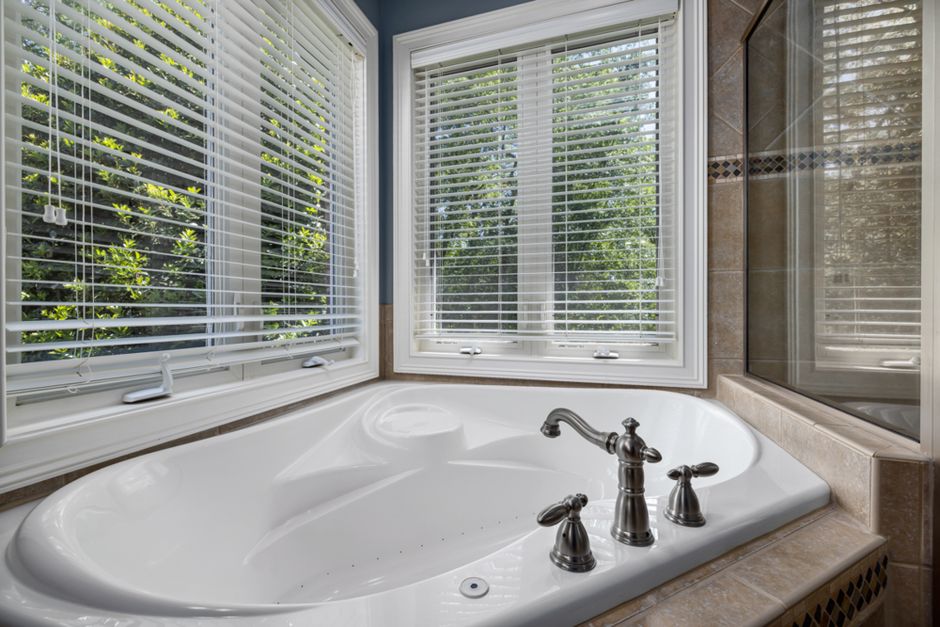
Water is a fundamental component of any spa experience. In 2026, what’s trending is the installation of home hydrotherapy systems. These systems range from high-end walk-in tubs with hydrotherapy jets to more affordable options like portable foot spas. If you’re limited by space, consider a rainfall showerhead or a steam shower, which can be installed in typical shower stalls and offer a mini spa effect.
For those with more room, a Japanese soaking tub provides a meditative bathing experience, encouraging both physical relaxation and mental clarity. Paired with a view of a living wall or garden through a strategically placed window, it becomes a true retreat.
Bringing Nature Inside
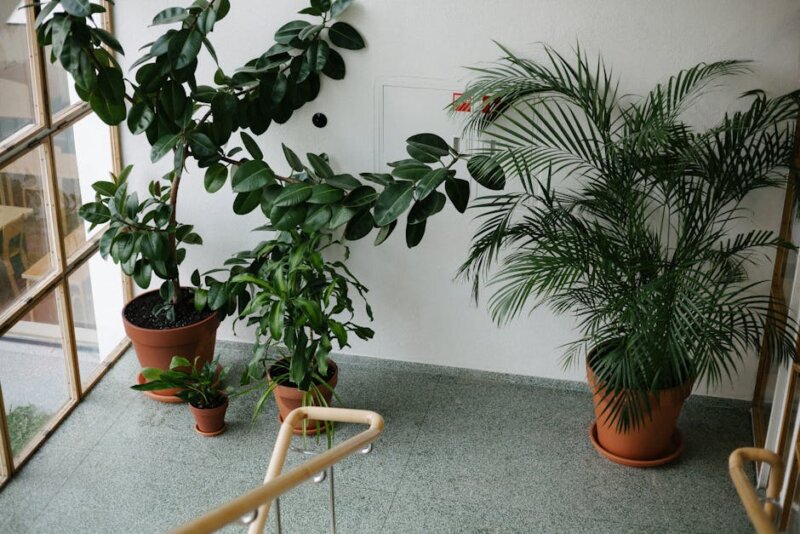
Greenery and natural elements are crucial in achieving a calm and inviting atmosphere. The trend of biophilic design is about using plants and natural materials to create a symbiotic environment. Vertical gardens are particularly popular for those short on space but big on impact. They provide a lush, green backdrop that simultaneously purifies the air.
For an added touch, incorporate a variety of natural stones, such as river rocks or slate, in your decor. They can be used in flooring, countertops, or even as decorative accents. Their earthy textures and tones can help ground your space, making it feel more connected to nature.
Personalizing Your Space
Your spa should reflect your personal style and preferences. Some find solace in minimalism, with clean lines and uncluttered spaces. Others may prefer a bohemian vibe, with eclectic tapestries and a mix of patterns and textures. The key is to create a space that feels uniquely yours.
Consider adding personal touches, such as a reading nook with your favorite books or a meditation corner with your yoga mat and props. Including personal artifacts or art that inspires peace and joy can deepen your connection to the space.
Practical Takeaway: Start Small, Dream Big
Creating a home spa doesn’t have to be an all-or-nothing endeavor. Start with what you have and scale up as time and budget allow. Maybe it’s a new set of soft towels this month, a sound system next, and a hydrotherapy tub later. The goal is to create a place that is inviting and restorative, a sanctuary from the world outside.
In 2026, as we continue to value mental and physical wellness, the home spa is an investment in our well-being, offering a refuge that nourishes the body and soul.