Understanding the Multi-Generational Trend
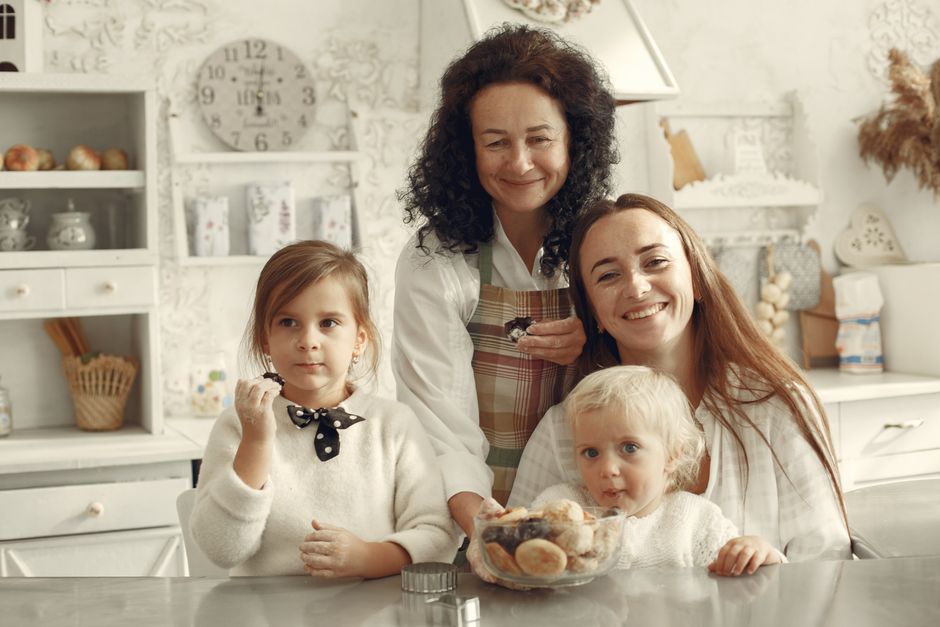
The concept of multi-generational living is experiencing a renaissance in 2026. As housing costs climb and families seek to maintain close-knit bonds, homes occupied by multiple generations have become increasingly common. This living arrangement is not just about financial necessity; it’s about creating a harmonious space where family members can thrive together.
But how do you ensure your home accommodates everyone’s needs, from young children to grandparents? Let’s delve into creating a space that fosters family unity while offering personal retreats.
Designing Flexible Living Spaces
One of the keys to a successful multi-generational home is flexibility. Think open-plan living areas that allow for large family gatherings but can be easily divided into private zones. Consider installing sliding doors or movable partitions to create adaptable spaces. This way, a single room can transform from a bustling family area into a quiet retreat in minutes.

Additionally, modular furniture is your best friend. Look for pieces that can serve multiple purposes. A daybed that doubles as a sofa or a dining table that extends for larger meals can maximize utility without sacrificing style.
Privacy and Personal Space
Even the most loving families need privacy. It’s crucial to ensure every family member has a personal sanctuary.
- Soundproofing: Invest in soundproofing materials, such as insulated walls or heavy draperies, to create noise-free zones.
- Separate Entrances: If possible, design separate entrances for different family units. This grants independence while maintaining connectivity.
- Dedicated Bathrooms: Multiple bathrooms, strategically placed, can significantly reduce morning rush tensions.
These elements help maintain harmony and respect personal boundaries without isolating family members.
Shared Amenities and Recreational Spaces
While privacy is important, shared spaces are the heart of a multi-generational home. Create areas where the entire family can share experiences and build lasting memories.
- Family Garden: Cultivate a garden space where everyone can unwind or contribute. Raised beds can be ideal for older adults who might struggle with traditional gardening.
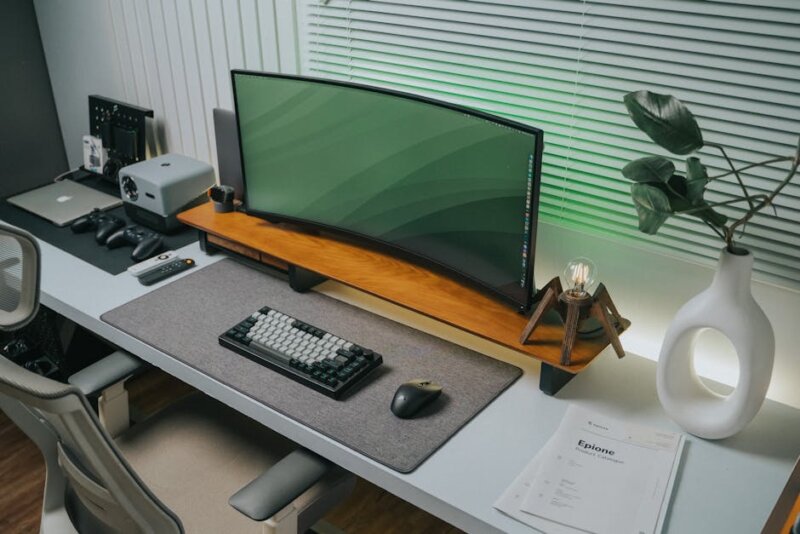
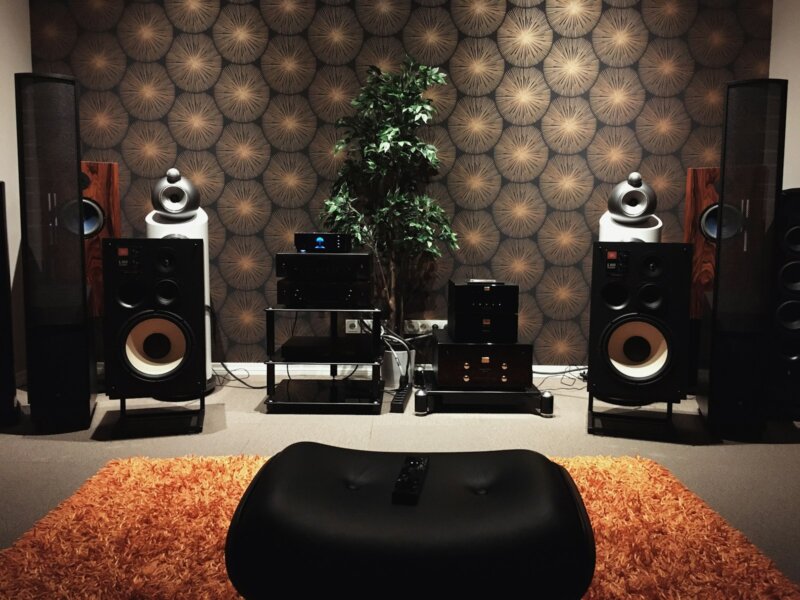
- Entertainment Room: Equip a room with technology and games suitable for all ages. This can become a hub of activity, hosting everything from movie nights to game tournaments.
- Multifunctional Kitchen: The kitchen is often the heart of the home. Ensure it’s spacious and equipped with appliances that cater to all culinary abilities, encouraging family cooking sessions.

These shared spaces encourage interaction and build family unity.
Catering to Diverse Needs and Lifestyles
Each generation has distinct needs and preferences. A successful multi-generational home respects these differences while fostering a cohesive living environment.
For instance, opting for universal design principles can accommodate aging relatives, with features like no-step entries, lever-style door handles, and non-slip flooring. Meanwhile, younger family members might appreciate tech-integrated spaces with charging stations and smart home devices.
Address dietary preferences by incorporating flexible pantry and refrigeration solutions, ensuring everyone’s dietary needs and schedules can be met without conflict.
A Practical Takeaway

Designing a multi-generational home in 2026 requires thoughtful planning and a balance between shared spaces and private retreats. By incorporating flexible designs, emphasizing privacy, and creating engaging shared spaces, you can cultivate a harmonious environment that celebrates your family’s unique dynamic.