Introduction to Adaptive Living Spaces
In 2026, the concept of adaptive living spaces has become more relevant than ever. With multi-functional homes on the rise, people are craving environments that can effortlessly transform to suit their needs. Whether it’s a quick switch from a serene reading nook to a vibrant party hub, flexibility is key. So, how can you make your home adaptable for every occasion?
Smart Furniture: The Shape-Shifters of Home Decor
Gone are the days when furniture was static and singular in purpose. The new era of home living embraces furniture that evolves with your lifestyle. For instance, consider a transformable sofa. On weekdays, it serves as a comfortable spot for work-from-home duties. But come the weekend, it easily expands to accommodate a movie marathon with friends. Brands like Flexform and Resource Furniture lead the way with their innovative designs.
- Modular Sofas: Modular pieces can be rearranged to create different seating arrangements, adapting to the number of guests or your personal relaxation preferences.
- Convertible Tables: A coffee table that rises and expands into a dining table is perfect for city apartments where space is at a premium.
Lighting That Sets the Mood
Lighting is no longer just about illumination; it’s about creating ambiance. In 2026, adaptable lighting systems are a must-have for any home. Smart bulbs like Philips Hue allow you to change the color and intensity of your lights with a simple voice command or tap on your phone. Hosting a dinner party? Opt for soft, warm lights to create an intimate atmosphere. Transitioning to a lively game night? Switch to vibrant, energetic colors.
Versatile Walls: More Than Just a Divider
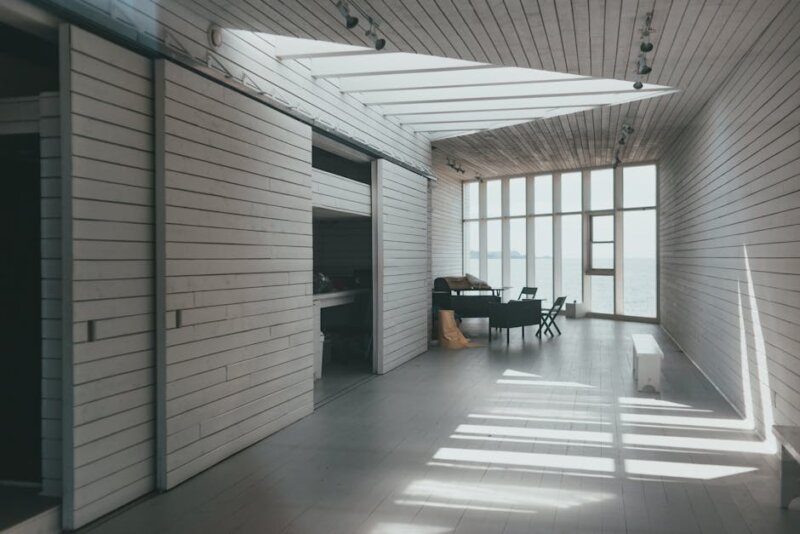
Think walls are only for separating spaces? Think again. Adaptive walls have become a game-changer in modern homes. These aren’t your run-of-the-mill drywall installations. We’re talking about movable partitions and sliding doors that can redefine your space in seconds. Companies like Skyfold offer soundproof partitions that shift your living room into a home theater without the need for extra square footage.
- Sliding Panels: Perfect for open-plan areas, sliding panels can create cozy corners or open up to expand the living space.
- Glass Partitions: Use glass to maintain the flow of light while still offering privacy when needed.
Balancing Indoor and Outdoor Living
2026 is all about blurring the lines between indoor and outdoor spaces. Bi-fold doors and retractable glass walls are popular features that let the outside in, expanding your living area seamlessly. This design not only opens up your home to nature but also makes it ideal for entertaining.
- Outdoor Furniture: Select pieces that are stylish enough for indoor use and durable enough for outdoor exposure, giving you the flexibility to rearrange them seasonally.
- Weather-Resistant Textiles: Invest in fabrics that withstand the elements, so you can host under the open sky year-round.
Takeaway: Designing for Flexibility
The key to mastering adaptive living spaces is foresight and planning. By investing in multi-functional furniture, versatile lighting, and innovative architectural solutions, you can create a home that accommodates your lifestyle in all its facets. The beauty of an adaptable home lies in its ability to cater to your every whim—whether it’s solitude, family time, or entertainment. So, as you contemplate your next home upgrade, think beyond static spaces and embrace the versatile possibilities of 2026.