Introduction: The Rise of Communal Living
As we step into 2026, the concept of communal living is experiencing a renaissance. What began as a response to urbanization and housing shortages is now evolving into a lifestyle choice that emphasizes connection, sustainability, and shared experiences. Whether you’re cohabitating with friends, family, or even strangers, creating a harmonious communal space requires a blend of creativity, empathy, and practicality.
Understanding the Communal Living Landscape
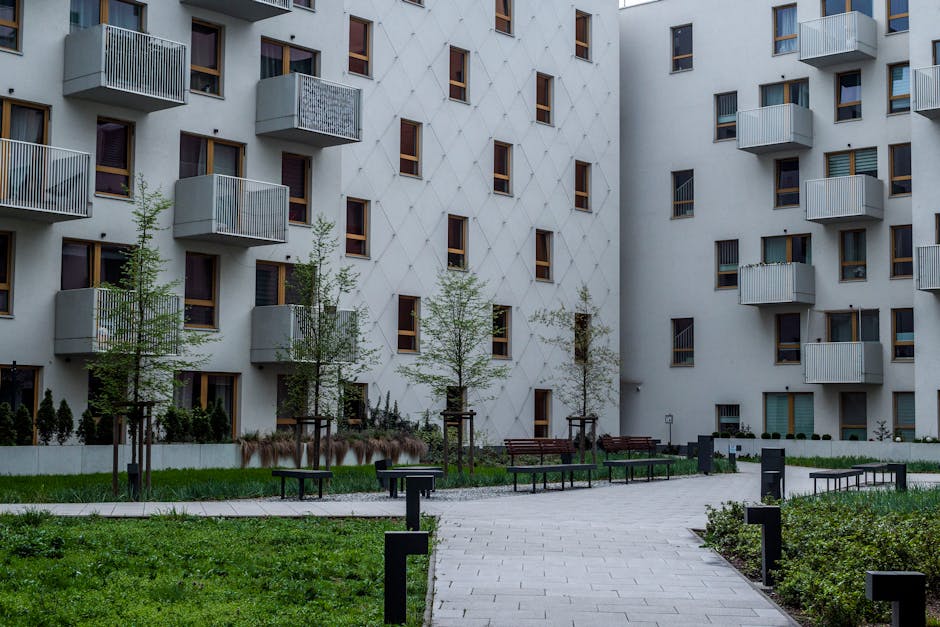
Before diving into design principles, it’s crucial to understand the diverse forms of communal living. From co-housing communities in bustling urban areas like New York and San Francisco to eco-villages in the countryside, each approach offers unique benefits and challenges. Co-living arrangements often feature shared spaces such as kitchens, living rooms, and gardens while maintaining private quarters for personal retreat.
Designing for Diverse Needs: Flexibility is Key
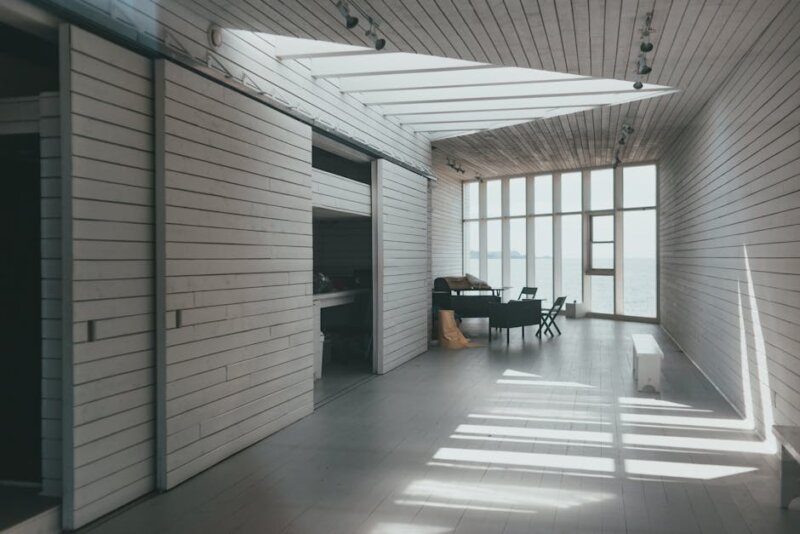
The heart of a successful communal living arrangement lies in its design. Spaces must cater to diverse needs while encouraging interaction. Consider modular furniture that can easily adapt to different activities, such as foldable dining tables for group dinners or stackable seating for impromptu gatherings. Incorporate multi-functional rooms that can transition from yoga studios to media lounges, ensuring every square foot serves a purpose.
Cultivating Community through Shared Spaces
Shared spaces are the nucleus of communal living, fostering interaction and collaboration. Create a central hub with a large kitchen island or a cozy living room with a fireplace where residents can gather. Add personal touches like a community bookshelf or a shared calendar for communal events to encourage participation and a sense of belonging.
Sustainability and Efficiency: A Communal Priority
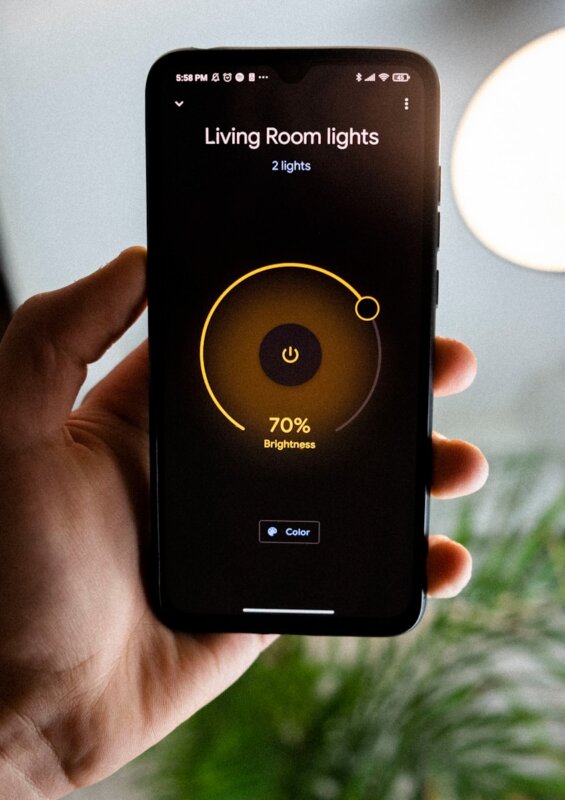
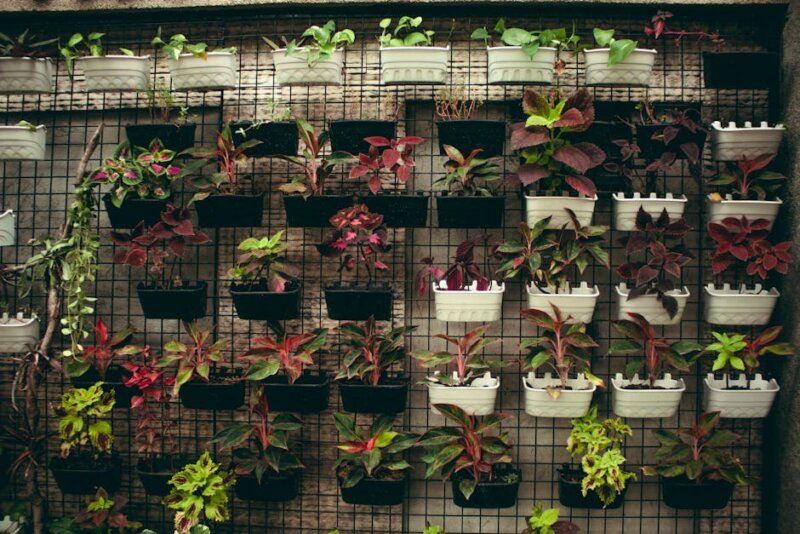
In 2026, sustainability is not just a consideration—it’s a necessity. Communal living offers an excellent opportunity to implement eco-friendly practices, from shared solar panels to communal gardens that promote local food production. Embrace energy-efficient appliances and smart home technology to minimize the carbon footprint, and incorporate natural materials that enhance both the aesthetic and environmental value of the space.
Challenges and Solutions in Communal Living
Living communally isn’t without its challenges. Privacy, noise, and differing lifestyles can create tension. Establish clear guidelines and boundaries from the outset, and foster open communication channels to ensure everyone’s needs are addressed. Consider soundproofing solutions and personal retreats where individuals can recharge to maintain harmony.
Conclusion: The Future of Communal Living
Embracing communal living in 2026 is about more than just sharing a space—it’s about building a community. By designing flexible, inclusive, and sustainable environments, we create opportunities for deeper connections and a more harmonious way of life. As we continue to explore the possibilities, the communal living movement promises a future where sharing isn’t just caring—it’s thriving.
Practical Takeaway

For those considering or already in a communal living setup, prioritize open communication and flexible design. These are your keys to creating a vibrant, functional, and harmonious community.