Introduction to Biophilic Design

In 2026, the trend of biophilic design isn’t just making waves; it’s practically a tidal force in the world of home living. This innovative approach to interior design incorporates natural elements into home environments, fostering a deep connection between homeowners and nature. As we increasingly recognize the impact of our surroundings on mental and physical health, biophilic design has emerged as a leading strategy for creating spaces that nurture wellness and tranquility.
The Science Behind Biophilic Interiors
Biophilic design is backed by research demonstrating the significant health benefits of natural environments. A study by the University of Exeter found that exposure to nature increases well-being by 15% and creativity by up to 50%. In urban settings like New York or Tokyo, where concrete jungles dominate, bringing nature indoors can enhance quality of life significantly.
The inclusion of natural elements such as plants, water features, and sunlight not only improves air quality but also reduces stress, blood pressure, and heart rate, all essential for a healthy living environment.
Incorporating Natural Elements
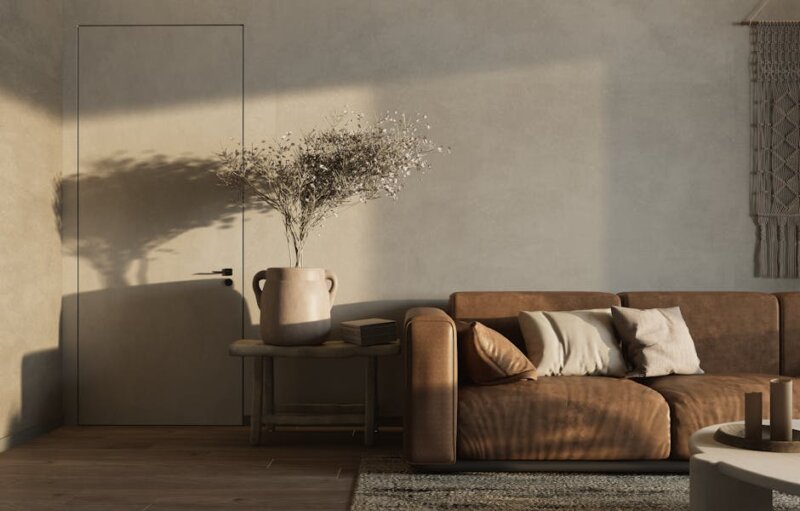
Greenery: One of the simplest ways to introduce biophilia into your home is through plants. Consider adding a variety of indoor plants such as snake plants, rubber trees, or fiddle leaf figs. For those with limited space, vertical gardens or hanging planters are excellent alternatives.
Water Features: The soothing sound of running water can transform a hectic household into a sanctuary. While a full-scale indoor waterfall might not be feasible, tabletop fountains or aquarium installations can deliver similar benefits.
Natural Materials: Opt for materials like wood, stone, and wool in your home’s design. These tactile elements lend warmth and authenticity, creating a tactile connection to nature. Consider wood flooring, stone countertops, or woolen textiles to infuse your space with earthy tones and textures.
Lighting and Space Design
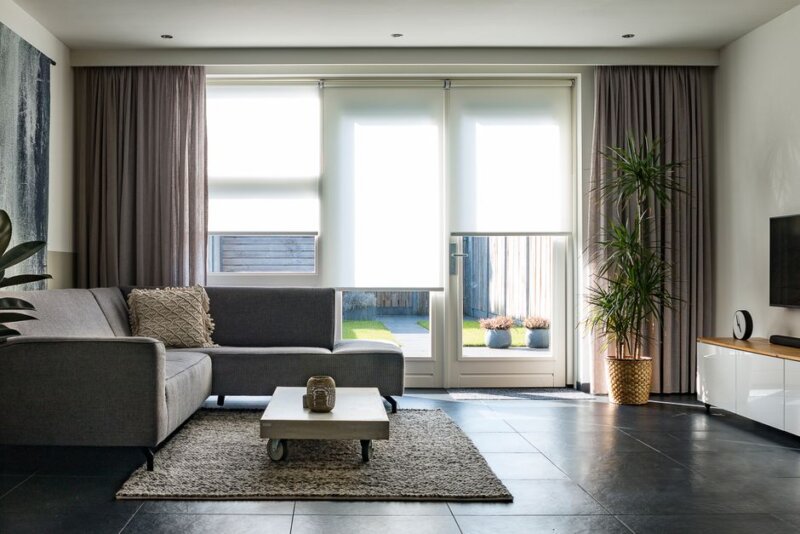
Maximizing Natural Light: Exposure to natural light is vital for regulating our circadian rhythms. Large windows, skylights, and the strategic use of mirrors can brighten spaces and create an illusion of openness, mimicking the vastness of outdoor environments.
Open Floor Plans: Designing open, airy spaces with minimal barriers can create a seamless flow between indoor and outdoor spaces. Consider sliding glass doors that open onto patios or balconies to encourage a natural interaction between inside and out.
Technology Meets Nature
In 2026, technology has become an ally in cultivating natural environments indoors. Smart home systems now integrate with biophilic elements, allowing for personalized lighting that mimics natural sunlight or automated watering systems for your indoor garden. Companies like Philips Hue offer lighting solutions that simulate sunrise and sunset, enhancing your connection with natural cycles.
Practical Takeaway
Whether you’re living in a bustling urban area or a serene rural setting, biophilic design principles can transform your home into a wellness sanctuary. By integrating natural elements, optimizing lighting, and embracing technology, you can cultivate a home that not only looks beautiful but also supports a healthy lifestyle. In 2026, the fusion of nature and design isn’t just a trend—it’s a holistic approach to living well.