Introduction to Indoor Vegetable Gardening
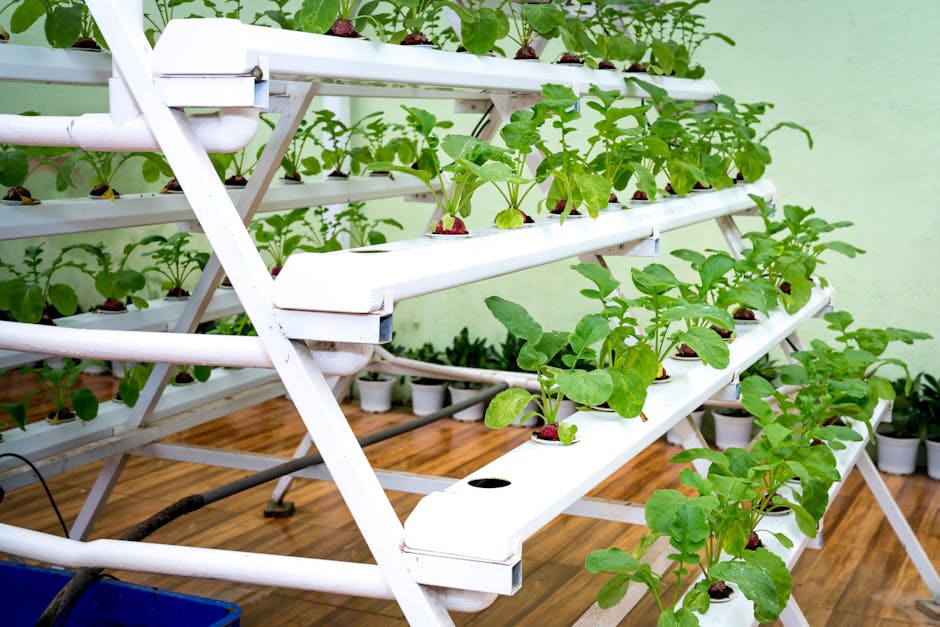
Indoor vegetable gardening is making waves in 2026, and for good reason. With the rise of urban living and the pressing need for sustainable practices, more people are turning to indoor gardens to satisfy their green thumbs and culinary needs. Imagine harvesting crisp lettuce or juicy tomatoes right from your living room. Not only is it convenient, but it also adds a touch of nature to your home, enhancing both aesthetic and air quality.
Choosing the Right Space
Before you start planting, consider where your indoor garden will thrive. Light is your best friend here. Most vegetables require at least six hours of sunlight daily. If your home lacks ample natural light, think about investing in LED grow lights, which have become more affordable and efficient in 2026. You might choose a sunny windowsill, a bright corner, or even dedicate a section of your kitchen.
The Best Vegetables for Indoor Growing
Not all vegetables are suitable for indoor gardening, but many varieties thrive inside with the right care. Here’s a list of top picks:
- Leafy Greens: Spinach, lettuce, and arugula are fast-growing and perfect for small spaces. They can be harvested multiple times, providing a steady supply of fresh greens.
- Herbs: Basil, cilantro, and parsley not only add flavor but also grow well in pots and containers.
- Cherry Tomatoes: These compact plants fit perfectly in a sunny window and offer sweet, delicious fruits.
- Peppers: Both sweet and hot peppers can flourish indoors with adequate sunlight and space.
Essential Tools and Materials
Setting up an indoor garden doesn’t require a lot of fancy gear, but a few essentials will make the process smoother:
- Containers: Choose pots with good drainage holes to prevent root rot. Self-watering containers are an excellent choice for forgetful waterers.
- Soil: Opt for a high-quality potting mix designed for vegetables. Avoid using garden soil, which can harbor pests and diseases.
- Watering Can: A small, narrow-spouted can allows for precise watering, preventing waterlogged soil.
- Pruning Shears: Keep your plants tidy and healthy by trimming dead or overcrowded leaves.
Maintaining Your Indoor Garden
Once your indoor garden is set up, maintaining it becomes a routine that’s both relaxing and rewarding. Water regularly, but ensure your plants are not sitting in water. Keep an eye out for pests, which can be managed with natural solutions like neem oil. Fertilize with an organic vegetable fertilizer every few weeks to provide essential nutrients.
Enjoying the Fruits of Your Labor
There’s something deeply satisfying about cooking with ingredients you’ve grown yourself. Beyond the practical aspect of providing your kitchen with fresh produce, indoor gardening offers a sense of well-being and connection to the earth, right from the comfort of your home. As you nurture your plants, you’ll find that they, in turn, nourish both body and soul.
So, grab some seeds, find your perfect spot, and start your indoor vegetable garden this year. Not only will it liven up your home, but it’ll also provide fresh produce and a healthy hobby to boot. Happy gardening!