The Rise of Eco-Conscious Living
In 2026, sustainability is no longer just a buzzword—it’s a lifestyle. As more people become aware of their environmental footprint, homes are evolving into eco-friendly sanctuaries. From energy-efficient appliances to materials sourced with Mother Earth in mind, the shift towards green living is both a necessity and a trend. One of the exciting aspects of this movement is how it’s inspiring creativity and innovation in home design.
Eco-Friendly Materials: The Backbone of Sustainable Design
The materials you choose for your home say a lot about your environmental values. Bamboo flooring, for example, is a rapidly renewable resource that adds a touch of elegance to any room. Cork is another excellent option for flooring; it’s durable, comfortable, and has natural insulating properties. Meanwhile, recycled glass tiles are making a comeback in kitchens and bathrooms, offering a unique look that’s both visually stunning and environmentally responsible.
Furthermore, furniture makers are increasingly using reclaimed wood, turning old barn wood or shipping pallets into beautiful tables and chairs. These materials not only reduce the need for new timber but also bring a rustic charm and a story to each piece.
Energy Efficiency: Saving Both Resources and Money
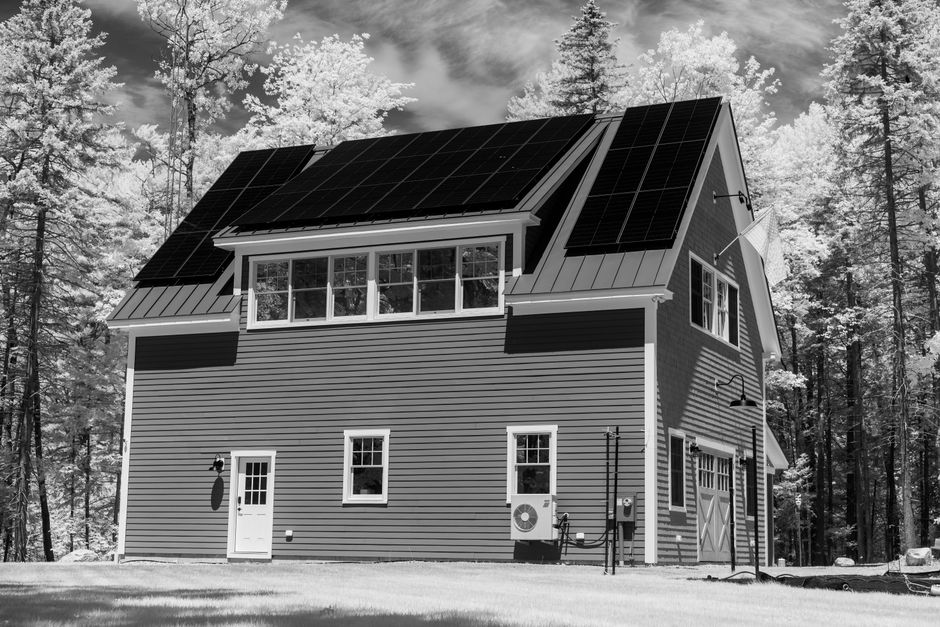
Energy efficiency is at the heart of sustainable home design. In 2026, smart thermostats have become a staple, learning your habits and adjusting heating and cooling systems to optimize energy use. Solar panels are more efficient and affordable than ever, providing a significant reduction in electricity bills.
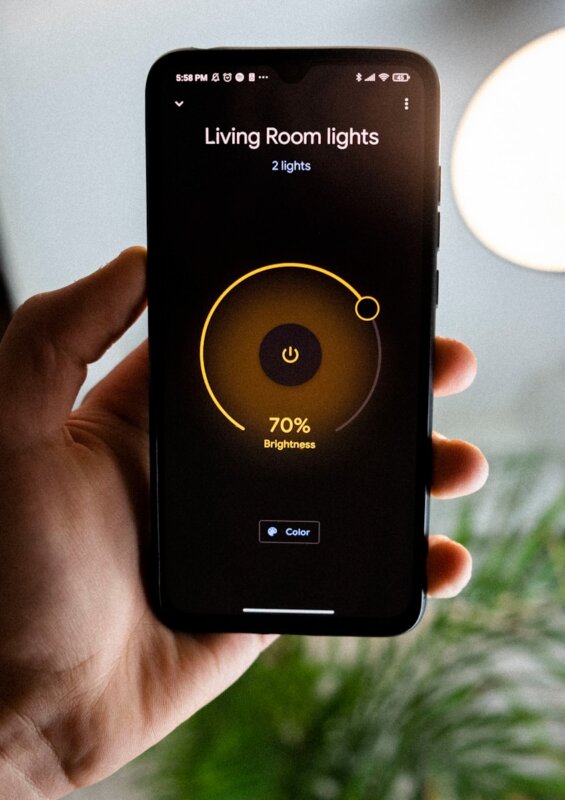
Another energy-saving trend is the use of LED lighting. While this isn’t brand new to 2026, the latest innovations mean LEDs are now available in a wider range of colors and brightness levels, allowing homeowners to create perfectly lit spaces without the high energy cost. Even appliances are smarter, with refrigerators and washing machines that use less water and power while still performing efficiently.
Water Conservation: Every Drop Counts
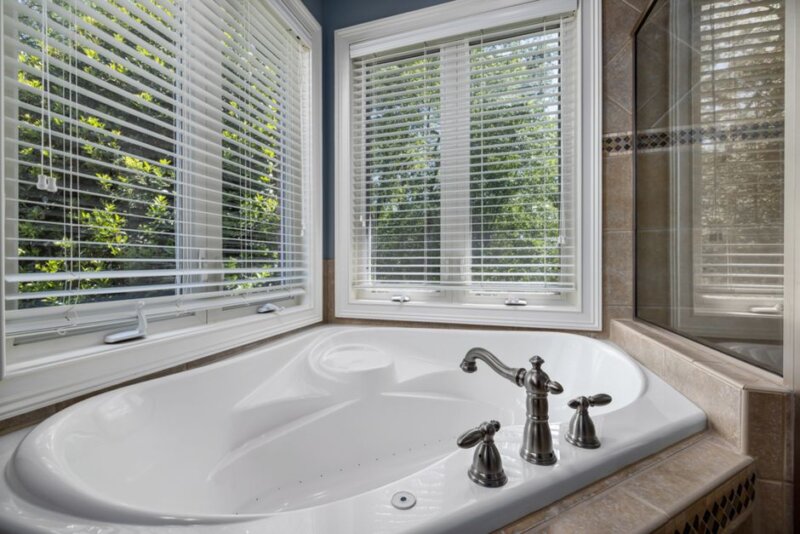
Water is one of our most precious resources, and conserving it is crucial in sustainable home design. Low-flow toilets and showerheads have become standard installations, dramatically reducing water usage without compromising performance.
Rainwater harvesting systems are also gaining popularity. These systems collect and store rainwater for use in landscaping, toilet flushing, or even laundry. Greywater recycling systems take conservation a step further by reusing water from sinks and showers for irrigation and other non-potable uses.
Indoor Greenery: Bringing Nature Inside
Houseplants are more than just decorative; they are vital to sustainable living. In 2026, biophilic design principles are influencing home interiors, with a focus on connecting with nature indoors. Plants such as peace lilies, snake plants, and ferns not only beautify spaces but also improve air quality by absorbing toxins and increasing humidity.
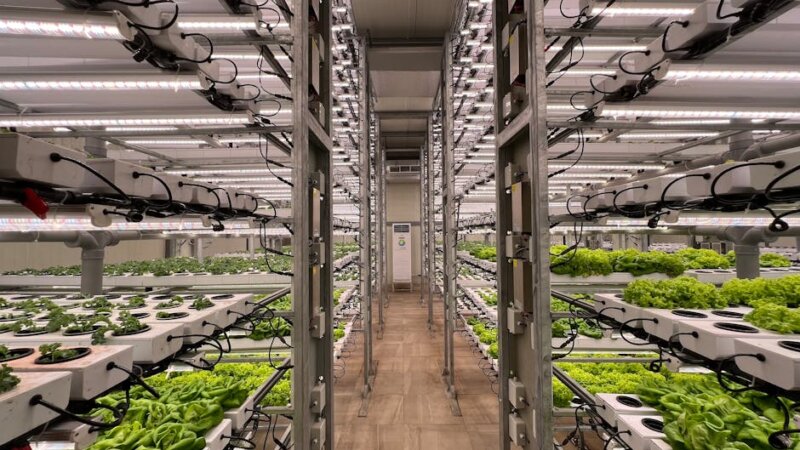
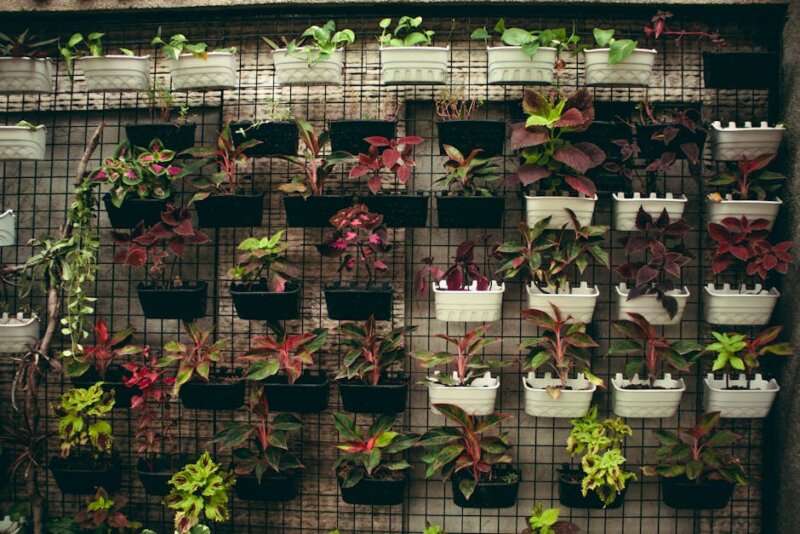
Vertical gardens have become a popular solution for those who wish to maximize greenery without taking up too much space. These living walls are not only visually striking but also practical in filtering the air and providing an additional layer of insulation.
Community and Beyond: Extending Sustainability
Sustainable living extends beyond the confines of your home. In 2026, eco-conscious communities are on the rise, where shared resources and collaborative sustainability efforts are key. Neighborhood composting programs and community gardens encourage residents to work together towards a greener future.
Moreover, choosing local and responsibly-sourced goods reduces the carbon footprint associated with transportation. Farmers markets and local craft fairs are thriving, supporting local economies and providing eco-friendly products.
Practical Takeaway: Start Small, Think Big
Shifting to a sustainable lifestyle doesn’t have to happen overnight. Start with small changes, like swapping out light bulbs or incorporating a few houseplants, and gradually move towards larger projects like installing solar panels or a rainwater harvesting system. The key is to be mindful, intentional, and informed about your choices. After all, every little step counts towards a more sustainable future.