Why Sound Matters More Than Ever
The year 2026 is a cacophony of sound. From the hustle and bustle of urban living to the constant hum of digital devices, our lives are enveloped in noise. The World Health Organization has highlighted that noise pollution is not just an inconvenience but a significant public health issue, affecting mental health and well-being. In response, many homeowners are turning their attention inward, seeking to create serene soundscapes within their homes.
The Science Behind Soundscaping
Soundscaping is the art of designing spaces with sound in mind. It’s about more than just acoustic panels or noise-canceling machines; it’s about orchestrating the harmony of your environment. Studies show that reducing noise pollution can lead to better sleep, increased concentration, and overall improved health. This isn’t just a trend; it’s a necessary evolution in home design.
Practical Tips for Designing a Quiet Space
Creating a quiet space might seem daunting, but with these practical tips, you can transform your home into a tranquil retreat:
- Identify Noise Sources: The first step is identifying where the noise is coming from. Is it traffic? Neighbors? Or maybe household appliances? Once you know the source, you can begin to address it.
- Utilize Soft Furnishings: Rugs, curtains, and cushions are not just for aesthetics. They absorb sound, reducing echoes and making a room feel more intimate and less noisy.
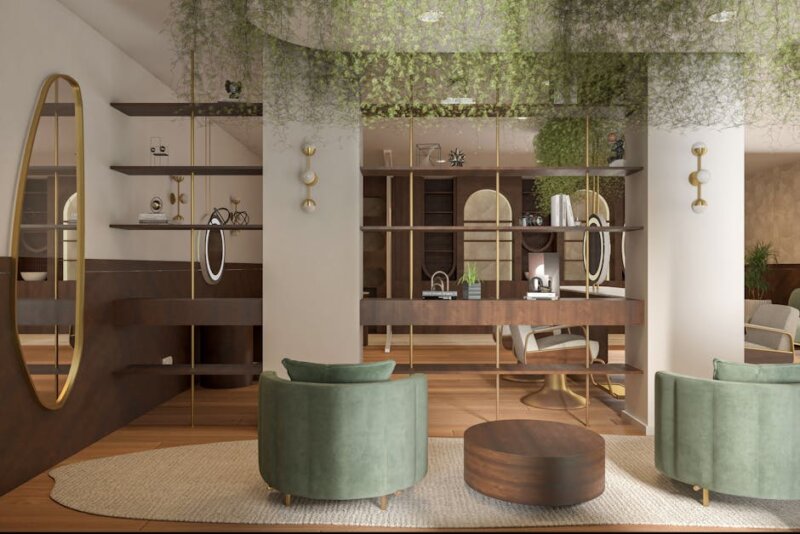
- Incorporate Natural Elements: Plants can help absorb sound. Tall, leafy plants like fiddle leaf figs or palms are particularly effective. Plus, they improve air quality, which is a bonus for creating a calming atmosphere.
- Soundproofing Solutions: Consider investing in soundproof windows or doors if you’re dealing with significant external noise. For internal noise, acoustic tiles on ceilings or walls can make a dramatic difference.
- White Noise Machines: Sometimes adding sound can help mask unwanted noise. White noise machines or gentle sound apps can create a consistent background noise that drowns out intermittent disruptions.
Embracing Technology for Tranquility

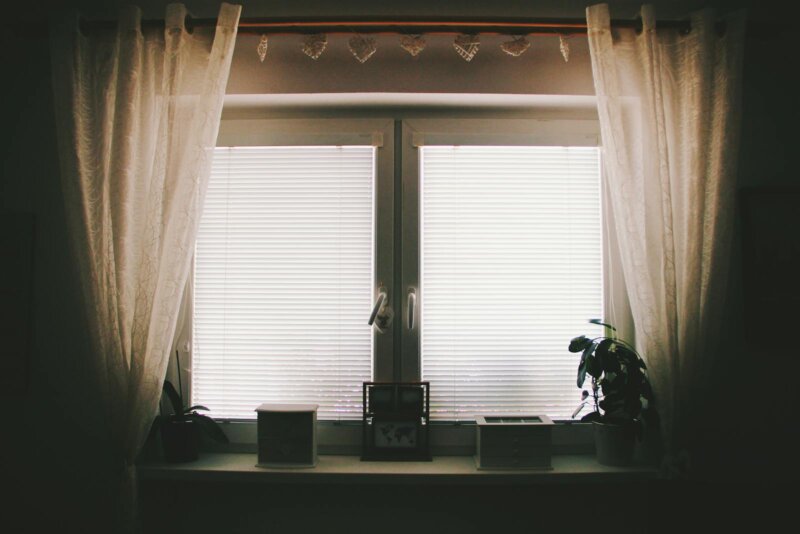
Technology isn’t only a source of noise; it can also be part of the solution. The market for smart home technology has expanded to include devices specifically designed for sound management. From smart blinds that reduce noise pollution to advanced home audio systems that provide a customizable auditory experience, technology can play a vital role in creating a peaceful environment.
Case Study: Modern Serenity in San Francisco
In the bustling heart of San Francisco, the Rodriguez family transformed their townhouse into a haven of tranquility. They installed triple-glazed windows and used recycled wood panels to insulate the walls. The family also embraced technology by integrating a sound management system that allowed them to control the acoustic environment of each room using their smartphones. Now, despite living in one of the busiest neighborhoods, their home is a quiet sanctuary.
Final Takeaway: Craft Your Personal Sound Sanctuary
Designing a quiet space at home is more than a luxury; it’s an investment in your well-being. By understanding the sources of noise, utilizing sound-absorbing materials, and leveraging technology, you can create a personal sanctuary that fosters peace and productivity. So, why not start your soundscape journey today and experience the serenity of a well-tuned home?