The Power of Color in Your Home
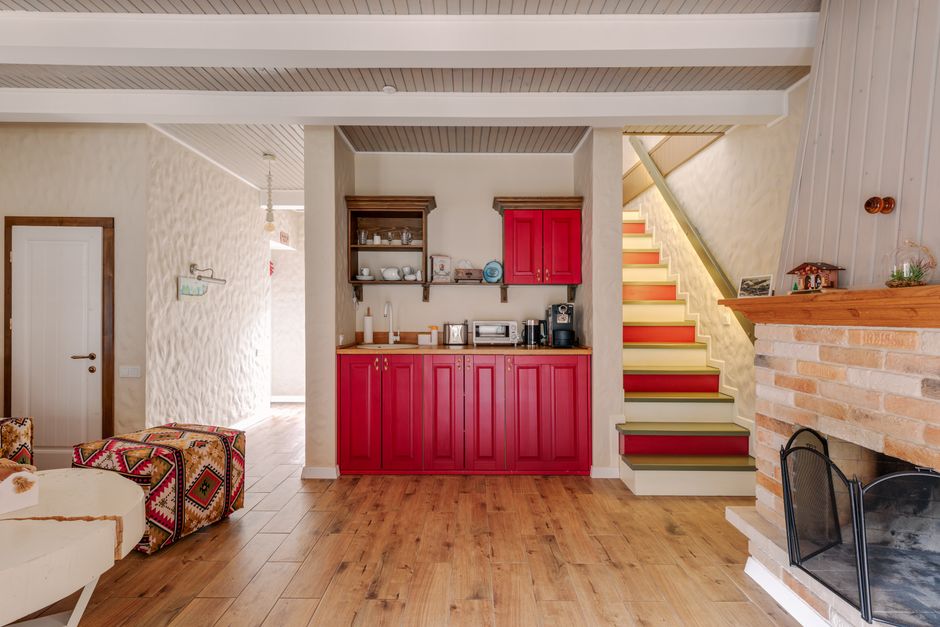
Color isn’t just for aesthetics—it’s a powerful psychological tool that can influence mood, create atmosphere, and even impact decisions. In 2026, homeowners are increasingly tapping into color psychology to design spaces that aren’t just beautiful, but also emotionally attuned. Whether it’s a calming blue in the bedroom or an invigorating red in the kitchen, the trend is all about using colors to enhance your living experience.
Choosing the Right Colors for Each Room
Before you splash paint on the walls, it helps to understand the psychological effects of different colors. For example, blue is known for its calming properties, making it ideal for bedrooms or reading nooks. Yellow, on the other hand, can evoke happiness and energy, perfect for kitchens and dining areas where family gatherings happen. Want to spark creativity in your home office? Try green, which is both refreshing and invigorating.
Balancing Bold and Neutral Tones
Bold colors can be exciting, but overwhelming when overused. In 2026, the balance of bold and neutral tones is crucial for a harmonious space. Think of using bold colors as accents—a fiery red vase or a sunny yellow chair amid a backdrop of neutral grays or whites. This approach ensures that your space remains visually stimulating without becoming chaotic.
Tapping into Color Trends for 2026
This year, earthy tones like terracotta and deep forest greens are on the rise. These colors bring a sense of organic warmth and connection to nature—perfect for creating a sanctuary at home. Pair these with metallic accents or textured fabrics to add depth and interest.
Practical Tips for Applying Color Psychology
- Test Colors First: Paint small swatches on the wall to see how they look throughout the day as lighting changes.
- Consider Room Purpose: Think about the activities you perform in each room and choose colors that support those functions.
- Use Online Tools: Apps like ColorSnap or Pantone Studio can help visualize color combinations in your space.
Ultimately, the colors you choose should resonate with your personal style and how you want each room to feel.
Creating a Personalized Palette
While trends can provide inspiration, personal preference should always take precedence. In 2026, the focus is on creating a home that tells your story through colors that reflect your personality and lifestyle. Whether you’re drawn to soft pastels or dramatic hues, make sure your color palette feels uniquely you.
Takeaway: Use color as a tool to transform your home into a space that supports your well-being and personal expression. With the right knowledge, your walls can do more than hold up a roof—they can offer comfort, inspire creativity, and boost your mood.