The Rewilding Movement: A Brief Overview
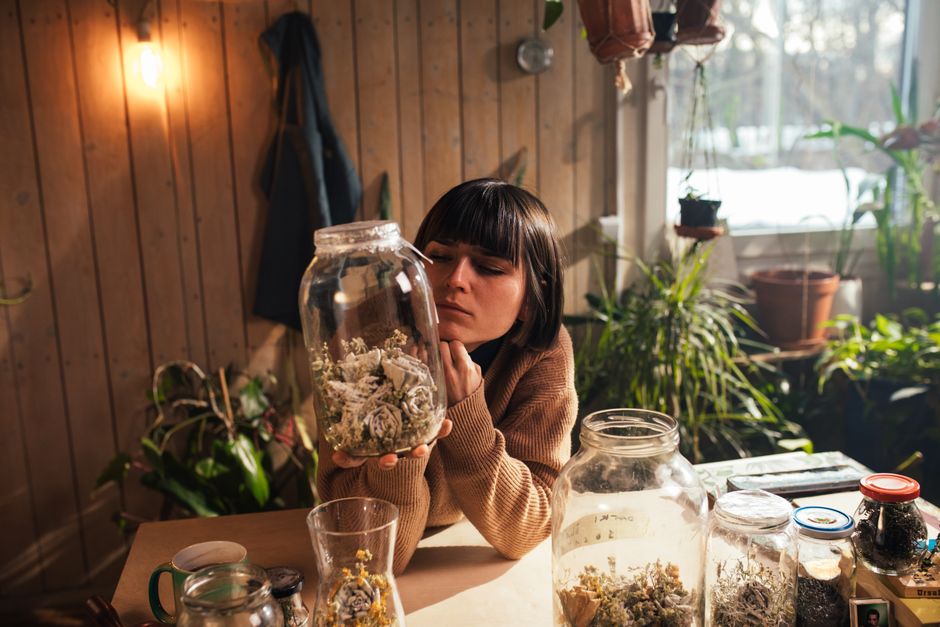
Rewilding isn’t just for vast landscapes or sprawling backyards anymore. In 2026, it’s making its way indoors, transforming our living spaces by bringing in a slice of the wild. Imagine your home as a mini-ecosystem, teeming with biodiversity and vibrant life. It’s a trend born out of a desire to reconnect with nature amidst urban settings, and it’s taking the home design world by storm.
Why Rewilding Your Home Matters
The benefits of rewilding your home go beyond aesthetics. It’s about creating a sustainable, self-sufficient environment that supports both mental and physical well-being. Studies have shown that exposure to diverse plant life can reduce stress levels and boost mood. Plus, a home filled with natural elements can improve air quality and promote a healthier lifestyle.
How to Get Started with Indoor Rewilding
Start small. You don’t need a jungle in your living room overnight. Begin by selecting a variety of plants that mimic natural ecosystems. Choose species that thrive together, like ferns and mosses, to create a lush, layered look. Consider installing a vertical garden on a blank wall or incorporating hanging planters to maximize space.
- Choose Native Plants: Opt for plants local to your region. They not only thrive better but also support local wildlife, even indoors.
- Mix and Match Textures: Combine different plant textures—spiky, leafy, and trailing—to add depth and interest.
- Use Natural Materials: Swap out synthetic materials for natural ones such as wood, stone, and clay to enhance the organic feel.
Creating Microhabitats Inside Your Home
Microhabitats are small-scale ecosystems. Creating these in your home can be both fun and rewarding. For instance, a mini pond setup with aquatic plants and tiny fish can bring a slice of the wetland indoors. Or, try a terrarium filled with succulents and sand to mimic a desert environment.
These setups not only look beautiful but also serve as educational tools for kids and adults alike. Observing the interactions within these micro-worlds can be a relaxing and enlightening experience.
Integrating Technology for a Balanced Ecosystem
In our tech-forward age, balancing nature with technology is key. Use smart sensors to monitor soil moisture and light levels, ensuring your plants remain healthy. Automated watering systems can also take the stress out of plant care, especially for those with busy schedules.
Additionally, apps that help identify plant diseases or pests make it easier to maintain a thriving home ecosystem.
The Practical Takeaway

Rewilding your home is about more than just adding plants—it’s a lifestyle change that promotes wellness and sustainability. Start by incorporating a few elements and see where it leads. The journey to creating your own indoor ecosystem can be as enriching as the destination itself.