Why Natural Light Matters More Than Ever in 2026
The way we design our living spaces has a profound impact on our well-being. In 2026, a growing body of research underscores the health benefits of natural light, making it a crucial component of home design. Exposure to natural light not only enhances mood but also regulates sleep patterns and increases productivity. As we spend more time indoors, designing spaces that maximize sunlight has become an essential pursuit for healthier living.
Open Floor Plans: A Pathway for Light
Open floor plans have been a staple in modern design for years, but their role in optimizing natural light is more important than ever. By eliminating unnecessary walls, light can flow freely across rooms. Consider merging living, dining, and kitchen areas to create expansive spaces that invite more sunlight. The open concept design also allows homeowners to enjoy panoramic views, further enhancing the connection with the outdoors.
Choosing the Right Windows: More Than Just a View
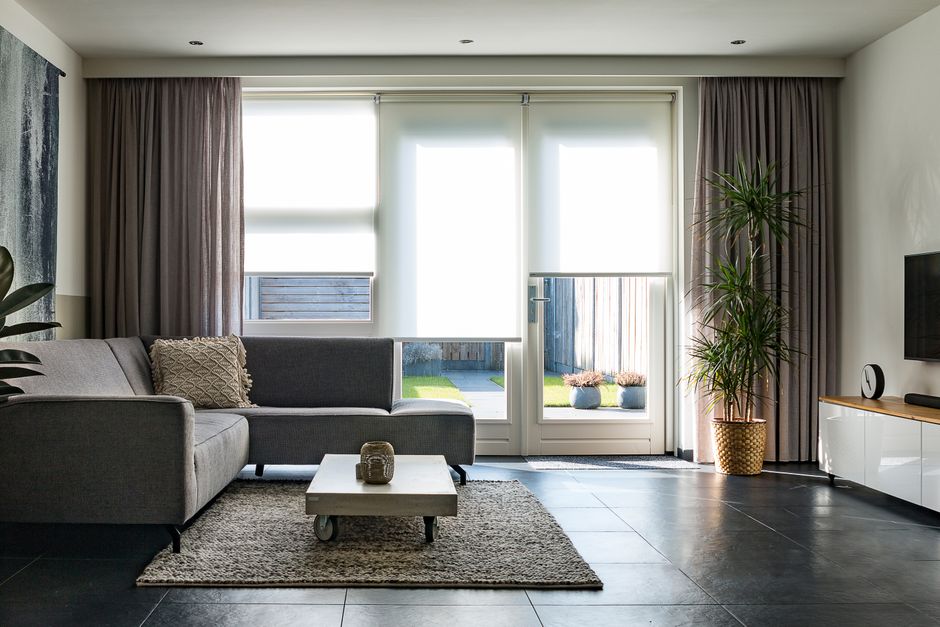
Windows are the gateway to natural light, and selecting the right type is critical. In 2026, energy-efficient windows with low-emissivity coatings not only allow light in but also prevent heat loss, balancing energy savings with comfort. Floor-to-ceiling windows or sliding glass doors are excellent choices for maximizing light. Additionally, strategically placing windows to the south or southeast will ensure your space is flooded with morning sun, setting a positive tone for the day.
Skylights: Bringing Sunshine Indoors

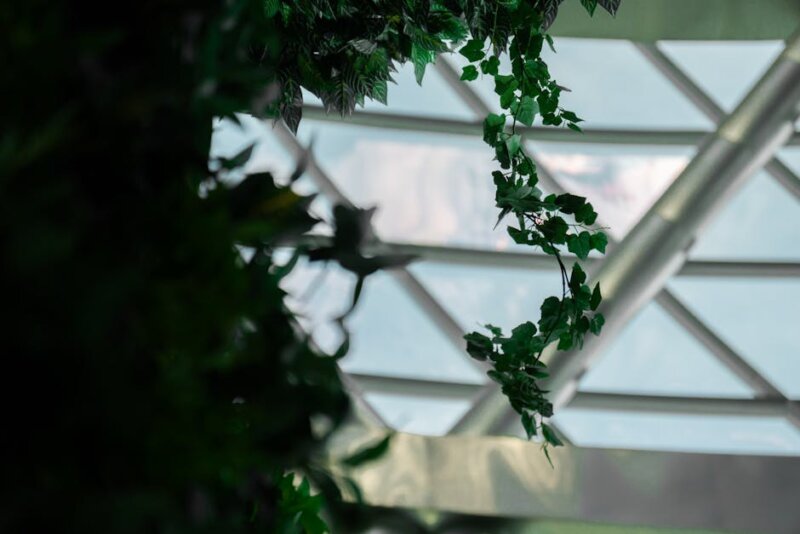
If window placement is limited, consider installing skylights. These overhead windows capture light from above, illuminating spaces that might otherwise remain in shadow. Modern skylights come with smart glass technology, allowing homeowners to control the amount of light and heat entering the room. This innovation ensures that your home remains comfortable without sacrificing natural illumination.
Reflective Surfaces: Amplifying the Light
Maximize the sunlight in your home by incorporating reflective surfaces. Light-colored walls, glossy tiles, and strategically placed mirrors can dramatically enhance the flow of light. A well-placed mirror can double the perceived light in a room by reflecting sunlight deeper into the space. In 2026, designers are creatively using metallic finishes and high-gloss furniture to achieve this reflective effect.
Greenery: Complementing Natural Light with Indoor Plants
While the primary focus is on harnessing light, complementing it with indoor greenery can create a harmonious living environment. Plants like the fiddle leaf fig or snake plant thrive in well-lit conditions, purifying the air and adding a touch of nature. A sunlit nook with a collection of indoor plants can become a serene sanctuary within your home.
Ultimately, by thoughtfully designing our homes to embrace natural light, we not only enhance their aesthetic appeal but also foster environments that promote our health and well-being. As you explore ways to brighten your living spaces, consider these strategies to create a sanctuary that nurtures both body and soul.