Embracing the Slow Living Movement

As more people seek solace from the relentless rush of modern life, the slow living movement has gained remarkable traction in 2026. This lifestyle encourages intentional living, urging us to savor each moment instead of constantly rushing from one task to another. It’s about quality over quantity, and this philosophy extends to how we design our homes.
Creating a sanctuary that embodies slow living involves careful consideration of every element, from the layout and decor to the materials and colors used. It’s not just about aesthetics; it’s about crafting a space that nurtures your well-being and allows you to truly unwind.
Thoughtful Space Planning: Less is More
A simplified home begins with thoughtful space planning. In 2026, many are opting for open floor plans that facilitate easy movement and foster a sense of community. However, open doesn’t mean cluttered. The trick is to balance openness with functionality.
- Declutter Regularly: Start by assessing what you really need. Regularly purging unnecessary items not only frees up physical space but also mental space, allowing you to focus on what truly matters.
- Flexible Furniture: Consider multifunctional furniture like modular sofas or extendable dining tables. These pieces adapt to your needs, offering flexibility without sacrificing style or comfort.
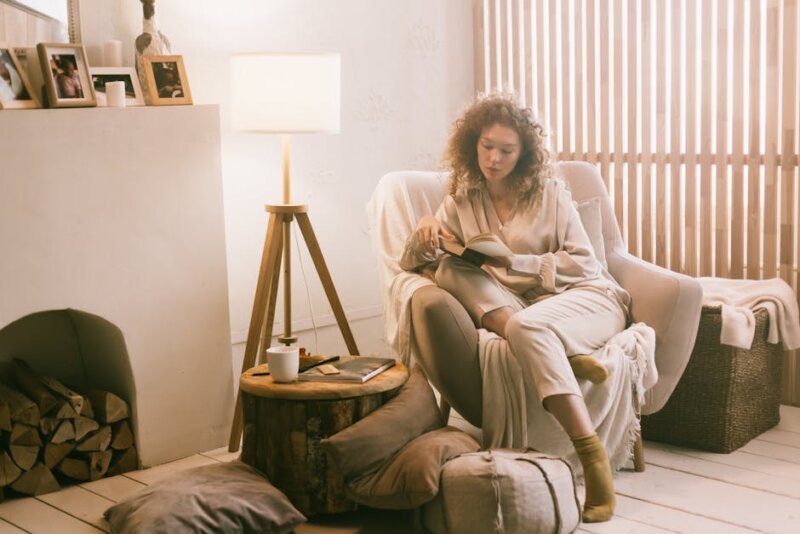
- Defined Zones: Create zones within your open space for different activities. This could be a cozy reading nook by the window or a meditation corner filled with cushions and soft lighting.
The Power of Natural Elements

Bringing nature indoors is a staple of slow living design. In 2026, there’s a growing trend of incorporating biophilic elements into our homes. This connection to nature not only enhances aesthetics but also promotes mental and physical health.
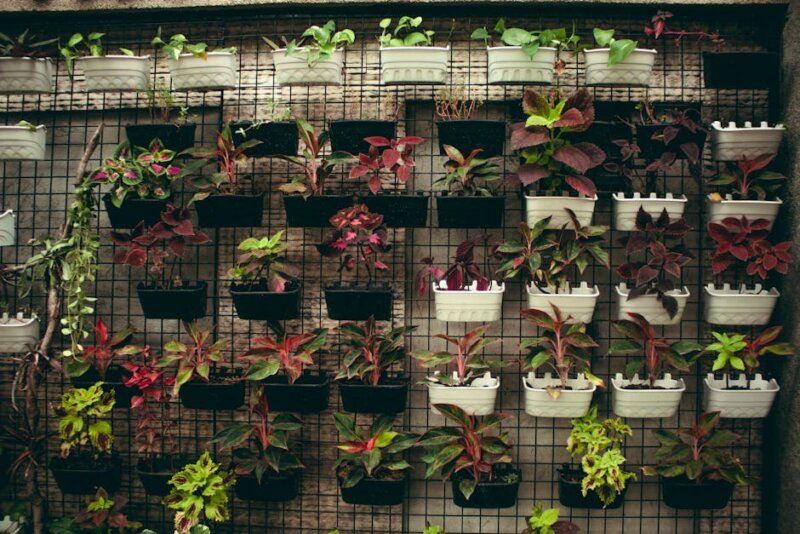
- Indoor Plants: Introduce greenery with houseplants like snake plants or peace lilies, known for their air-purifying properties. A living wall can also be a stunning addition, making a bold statement while improving air quality.
- Natural Materials: Opt for materials like wood, stone, and bamboo. These not only look beautiful but also create a warm, inviting atmosphere that synthetic materials often lack.
- Ample Daylight: Maximize natural light with large windows and strategically placed mirrors. Natural light has a profound effect on mood and productivity, making it an essential component of any sanctuary.
Color Schemes that Calm
The colors you choose for your home have a significant impact on your mood. In 2026, subtle, calming hues are at the forefront of interior design, reflecting the principles of slow living.
- Earthy Tones: Think soft greens, warm browns, and gentle beiges. These colors evoke a sense of peace and grounding, helping you feel more connected to the natural world.
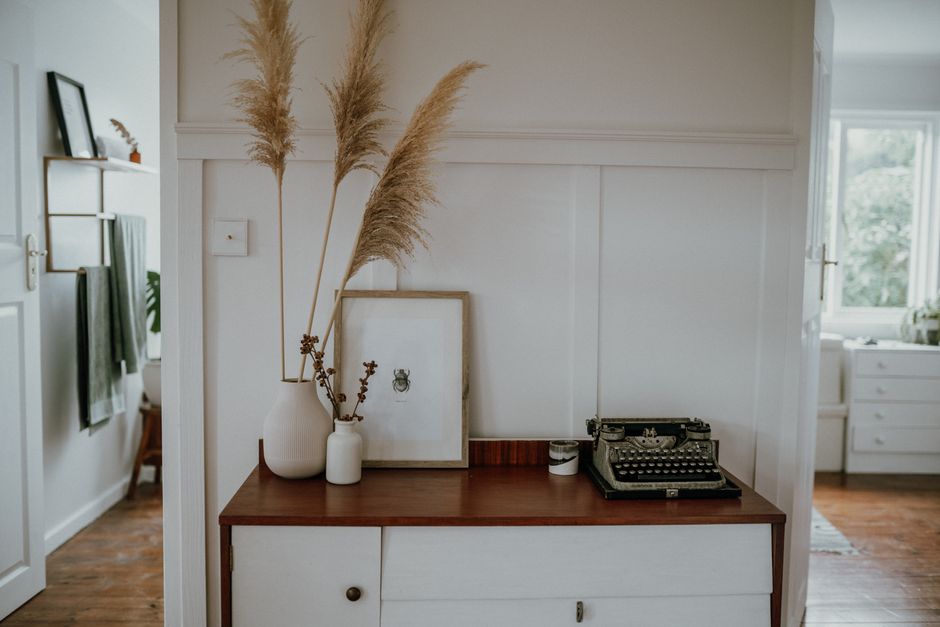
- Neutral Backdrops: Whites and soft grays serve as perfect backdrops, allowing furniture and decor to stand out without overwhelming the senses.
- Pops of Color: Introduce color through accessories such as cushions, rugs, or artwork. This allows for easy changes when you feel like refreshing your space without a complete overhaul.
Mindful Technology Integration
While slow living encourages simplicity, it doesn’t mean you have to forgo modern conveniences. The key is to integrate technology in a way that enhances your living experience without detracting from the serene atmosphere.
- Smart Home Systems: Use technology to simplify tasks. Smart thermostats, lighting, and security systems can make your home more efficient and comfortable.
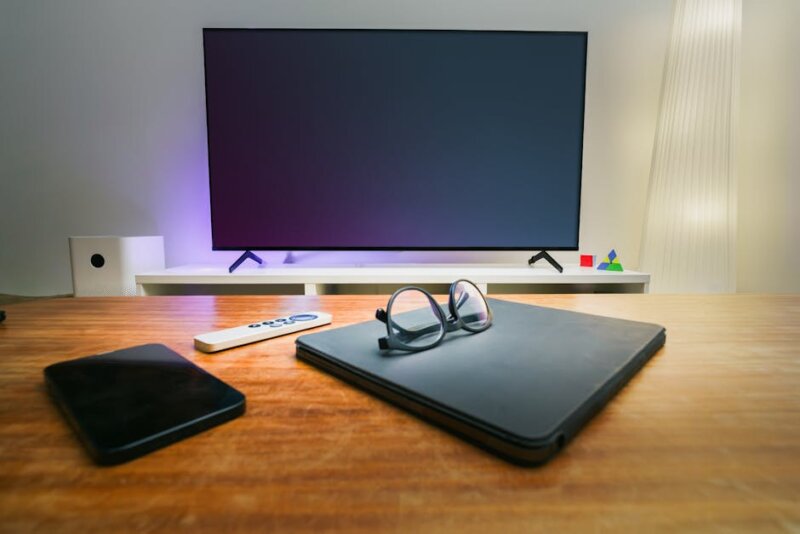
- Digital Detox Zones: Designate areas in your home where technology is off-limits. This could be the dining room where you share meals without screens or a bedroom free from digital distractions.
- Nature Sounds: Incorporate sound systems that play calming nature sounds like rain or birdsong to enhance relaxation at home.
Prioritizing Personal Wellness Spaces
A home that embraces slow living should include spaces dedicated to wellness and self-care. In 2026, this might mean creating a home spa, a meditation room, or simply a quiet corner for reflection.
- Home Spa: Transform your bathroom into a spa-like retreat with scented candles, plush towels, and a rainfall showerhead. Adding a small indoor sauna or a freestanding bathtub can elevate the experience.
- Meditation Room: Use soft rugs, comfortable cushions, and ambient lighting to create a peaceful meditation space. Incorporate elements like a small water feature or a collection of crystals to enhance tranquility.
- Reading Nook: A comfortable chair, a warm blanket, and a good book can be the perfect escape. Position your nook near a window to take advantage of natural light and views.

Practical Takeaway: The essence of slow living lies in creating spaces that foster relaxation and mindfulness. By decluttering, embracing natural elements, choosing calming colors, integrating technology wisely, and dedicating areas to personal wellness, you can transform your home into a sanctuary that supports your well-being in every way.