The Rise of Co-Housing: A New Way to Live

As housing prices continue to soar in 2026, more people are looking for alternative ways to live that offer both affordability and a sense of community. Enter co-housing—a concept that’s gaining popularity across the globe. This isn’t your typical roommate situation; co-housing communities are intentionally designed spaces where residents actively participate in creating and maintaining their shared living environment. Think of it as combining the best aspects of communal living with the privacy of your own home.
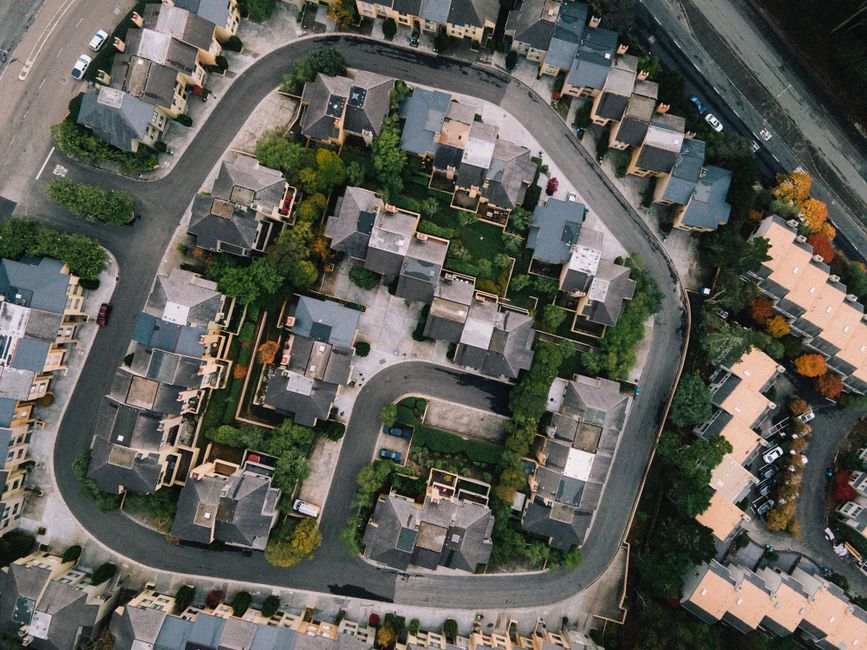
In cities like Portland, Oregon, and Boulder, Colorado, co-housing developments are sprouting up, attracting those seeking a blend of community, sustainability, and economic feasibility. The idea is simple: share resources, reduce individual costs, and foster a sense of belonging. Let’s delve into how you can design your own co-housing space in 2026.
Designing Communal Spaces: The Heart of Co-Housing
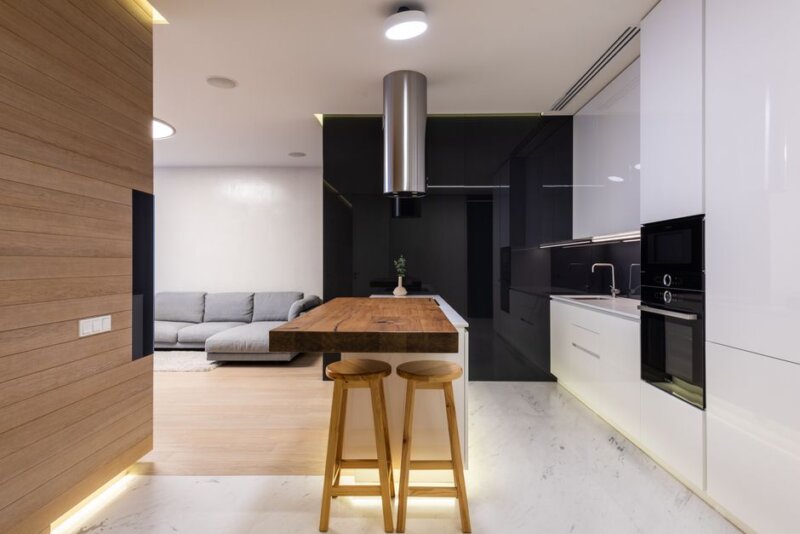
Communal spaces are the soul of any co-housing community. These areas are where residents gather to socialize, collaborate, and share meals. When designing these spaces, it’s crucial to focus on functionality and accessibility. Start with a large, flexible communal kitchen and dining area. Equip it with state-of-the-art appliances to handle the culinary needs of multiple households. Think commercial-grade stoves, oversized refrigerators, and ample counter space.

In addition to the kitchen, incorporate a multipurpose room that can serve various functions—movie nights, yoga classes, or community meetings. Make sure this space is adaptable with movable furniture and smart technology like projection systems and sound equipment. A well-designed communal hub not only enhances the living experience but also strengthens the bonds between residents.
Private Retreats: Balancing Community and Privacy
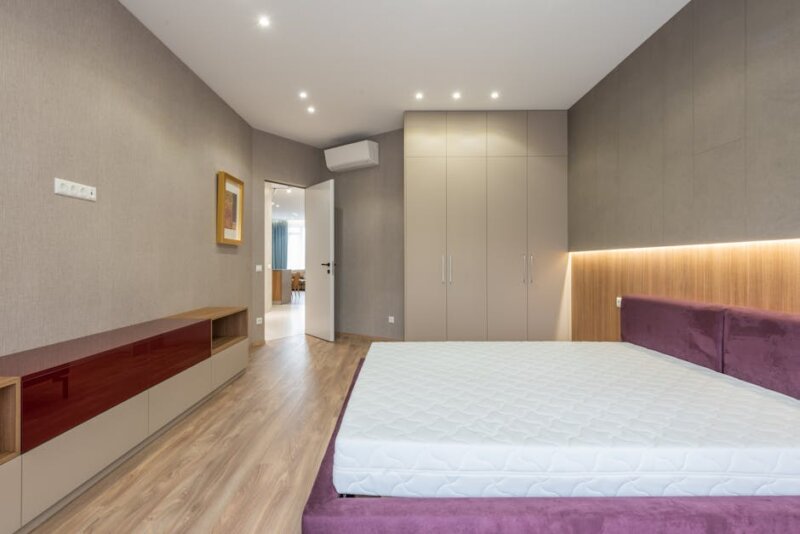
Even in a co-housing setup, privacy remains essential. Residents should have their own private quarters where they can retreat, recharge, and enjoy solitude. These spaces might be compact, but they should be thoughtfully designed to maximize comfort and functionality. Consider including built-in storage solutions, fold-away desks, and multipurpose furniture like sofa beds.
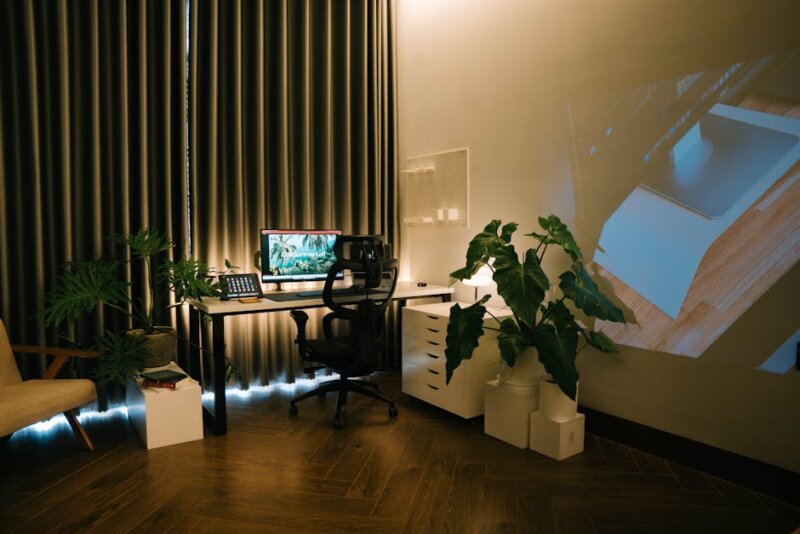
Architects in Copenhagen have pioneered ‘privacy pods’—soundproof, modular units that can be installed within larger living areas, offering residents a personal sanctuary. These pods are perfect for those who work from home or need a quiet space for creative endeavors. Remember, the key is to ensure that while communal activities are encouraged, personal space is respected.
Sustainable Living: Eco-Friendly Design Choices
Co-housing naturally lends itself to sustainability. By sharing resources, residents reduce their environmental footprint. However, you can also incorporate eco-friendly design elements to further this goal. Install solar panels to power common areas, utilize rainwater harvesting systems, and choose energy-efficient appliances. Building with sustainable materials like bamboo flooring or recycled metal can make a big difference.
Moreover, consider creating a community garden. Not only does it provide fresh produce, but it also becomes a focal point for residents to gather and connect with nature. In Amsterdam, several co-housing projects have integrated vertical gardens to optimize space and promote biodiversity.
Navigating Challenges: Ensuring Harmony and Cooperation
Living closely with others can come with its set of challenges. To ensure harmony, it’s essential to establish clear communication and conflict-resolution mechanisms from the outset. Consider having regular community meetings where everyone has a voice. Develop a governance model, whether it’s consensus-based or a rotating leadership system, to make decisions fairly and transparently.
Many successful co-housing communities, like those in Vancouver, Canada, emphasize the importance of having a shared vision and values. This helps guide decisions and maintain a cohesive community identity, creating an environment where residents can thrive together.
Practical Takeaway: Creating Your Co-Housing Vision
As you embark on designing a co-housing community, prioritize both communal and individual needs. Foster an environment where sustainable living and collaboration are at the forefront, all while respecting personal space and privacy. With thoughtful planning and a commitment to shared living, you can cultivate a vibrant, interconnected community that offers a modern solution to housing challenges in 2026.