
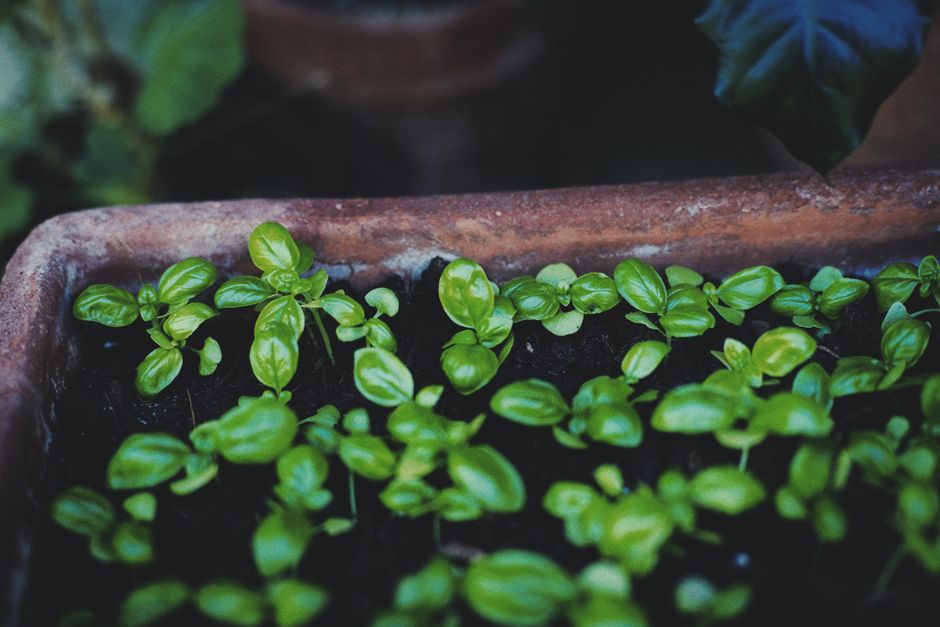
The Urban Herb Revival

As cities grow denser, the luxury of a sprawling backyard herb garden often feels like a distant dream for urban dwellers. Yet as 2026 unfolds, culinary enthusiasts are rising to the challenge, transforming even the most compact kitchens into vibrant herb sanctuaries. No longer just a garnish, fresh herbs are taking center stage in kitchens across the globe, marrying aesthetics with practicality.
Why Herbs Deserve a Place in Your Kitchen
The benefits of having fresh herbs at your fingertips are manifold. Firstly, they elevate dishes with bursts of fresh flavor that can make even a simple pasta feel gourmet. Nutritionally, herbs like basil, rosemary, and thyme are packed with antioxidants and vitamins, contributing to a healthy diet. Moreover, cultivating herbs indoors encourages mindfulness and a connection to nature, bringing a touch of tranquility to your bustling urban life.
Designing Your Herb-Friendly Space
- Choose the Right Location: Most herbs need ample sunlight, typically around 6 hours a day. Consider a south-facing window or supplement natural light with LED grow lights. A small, vertical space can be enough if utilized wisely.
- Focus on Containers: Opt for containers that allow for proper drainage. Materials like terracotta or ceramic are ideal as they prevent soil from becoming waterlogged. Hanging pots or tiered planters maximize space efficiently.
- Soil and Watering: Herbs thrive in well-draining soil. A potting mix with added perlite or sand is perfect. Water when the top inch of soil feels dry, being cautious of overwatering, which can lead to root rot.
Must-Have Herbs for Urban Kitchens
While it’s tempting to grow every herb under the sun, space is often a constraint. Here are some versatile favorites:
- Basil: Perfect for Mediterranean dishes, basil thrives indoors and can even deter flies.
- Mint: A refreshing addition to beverages and desserts, mint spreads quickly, so consider a separate pot.
- Chives: Their mild onion flavor is perfect for salads and baked potatoes, and they require minimal care.
- Parsley: More than just a garnish, parsley is rich in vitamins and can enhance soups and stews.
- Thyme: A robust herb that pairs well with poultry and root vegetables, thyme is hardy and forgiving.
Incorporating Herbs into Daily Cooking

With your herb garden flourishing, the next step is integrating these flavors into your daily meals. Start simple with a herb-infused olive oil; fill a bottle with your favorite herb, pour olive oil over it, and let it sit for a week. Drizzle over salads or use as a bread dip. Experiment with herb butters by mixing softened butter with finely chopped herbs and using it to top steaks or veggies. The possibilities are endless, and the personal satisfaction of using your homegrown ingredients is unmatched.
Practical Takeaway: Start Small, Grow Big
Designing a culinary herb haven in your urban kitchen doesn’t require a green thumb or an expansive space. Start with one or two herbs that you use most frequently and gradually expand your collection. With each new addition, you’ll find not only a new flavor to explore but a deeper connection to your meals and home. In 2026, bringing the farm-to-table concept into your urban kitchen is not only feasible but immensely rewarding.