Introduction to Eco-Efficient Living
As we step into 2026, sustainable living isn’t just a trend; it’s a necessity. With the effects of climate change more apparent than ever, adopting eco-efficient solutions in our homes has become imperative. But what does it mean to live eco-efficiently? It involves making conscious choices that minimize environmental impact while maximizing resource use and energy efficiency.
Smart Energy Systems
Energy consumption is one of the most significant areas where homeowners can make a difference. Today, smart energy systems are at the forefront of eco-efficiency. These systems include solar panels, wind turbines, and even geothermal heating. In cities like Austin and San Francisco, local governments are incentivizing homeowners to install solar panels by offering tax breaks and subsidies.
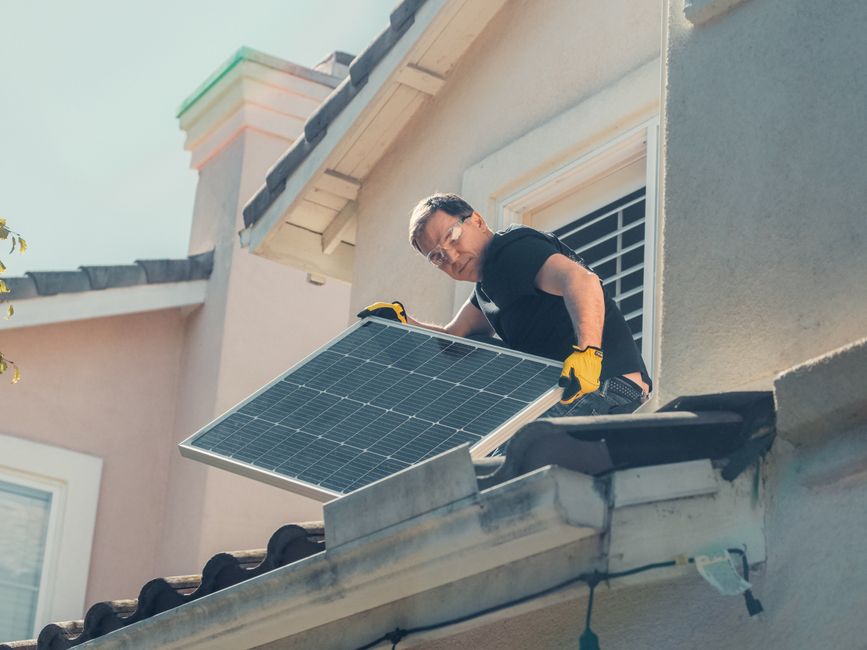
- Solar Panels: Advances in solar technology have made panels more affordable and efficient. Companies now offer panels that can power an entire home, from lighting to heating, reducing reliance on non-renewable energy sources.
- Wind Turbines: For those living in windy areas, small-scale wind turbines are a viable option. These can power specific parts of a home, like outdoor lighting or secondary power systems.
- Geothermal Heating: By tapping into the earth’s natural heat, homeowners can efficiently heat and cool their homes. This system uses heat pumps to transfer heat, offering substantial savings on energy bills.
Water Conservation Techniques
Water scarcity is a growing concern, and integrating water-saving techniques in homes is crucial. Consider these solutions to reduce water usage without compromising comfort:
- Rainwater Harvesting: Installing a rainwater collection system can significantly cut down on water use. This system collects and stores rainwater that can be used for irrigation, flushing toilets, and even laundry.
- Greywater Recycling: This involves reusing wastewater from baths, sinks, and washing machines for non-potable purposes, such as garden watering. Cities like Los Angeles have embraced greywater systems, making them easier to implement in residential homes.
- Low-Flow Fixtures: Modern taps, showerheads, and toilets are designed to reduce water usage without sacrificing performance. Switching to these fixtures can save thousands of gallons of water annually.
Sustainable Materials for Home Construction
The building materials used in home construction have a significant impact on sustainability. Opting for sustainable materials ensures that your home has a lower carbon footprint from the start. Here are some materials gaining traction in 2026:
- Bamboo: An incredibly fast-growing plant, bamboo is used for everything from flooring to furniture. Its strength and versatility make it a popular choice for eco-conscious builders.
- Recycled Steel: Using recycled steel reduces the need for mining new materials. It is often used in structural elements due to its durability and fire-resistance.
- Hempcrete: Made from the hemp plant, hempcrete is a lightweight, insulating material that is both sustainable and efficient. It’s increasingly used in building walls and insulation layers.
Greening Your Home Interior
Inside the home, eco-efficiency can be achieved by making small but impactful changes. From energy-saving appliances to sustainable decor, every choice counts.
- Energy-Efficient Appliances: Appliances with Energy Star ratings are designed to consume less electricity. Upgrading to these can lead to significant reductions in household energy use.
- Eco-Friendly Decor: Choose furniture and decor items made from recycled or sustainable materials. Consider brands that prioritize sustainability in their production processes.
- Natural Light Utilization: Maximize the use of natural light in your home to reduce the need for artificial lighting. This can be achieved by strategically placing mirrors and choosing light-colored paints that reflect sunlight.
Practical Takeaway for Sustainable Living
Living sustainably in 2026 is about making informed decisions that benefit both the environment and your wallet. From incorporating smart energy systems to choosing sustainable materials, every effort counts. By adopting these eco-efficient solutions, homeowners can reduce their carbon footprint and contribute to a healthier planet. Ultimately, the goal is to create a home that not only meets our needs but also respects the Earth’s resources.