What is Biophilic Design?
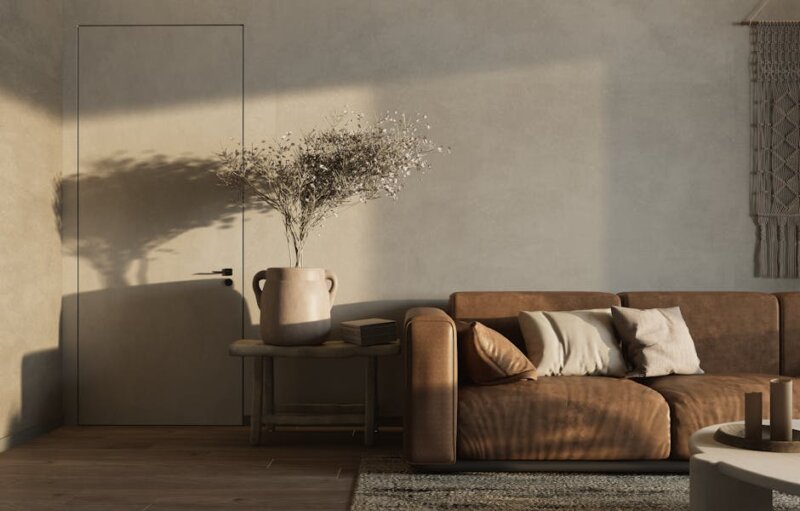
Biophilic design is an innovative approach to architecture and interior design that seeks to connect the occupants of a space more closely with nature. In 2026, this concept is not just a trend but a necessity, as more people recognize the importance of nature in their living environments. By integrating natural elements like plants, natural light, and organic materials, biophilic design aims to improve the mental and physical well-being of individuals.
Why 2026 is the Year for Biophilic Design
This year marks a significant shift in how we perceive our living spaces. With rising concerns about mental health and the effects of urban living, people are turning towards biophilic design as a holistic solution. Homes are becoming sanctuaries where nature plays a central role in promoting health and tranquility. Technology has also advanced, allowing for more seamless integration of natural elements, from smart gardening systems to advanced air purifiers that mimic natural air cycles.
Key Elements of Biophilic Design
- Natural Light: Maximizing sunlight through strategic window placements and solar tubes can enhance mood and regulate circadian rhythms.
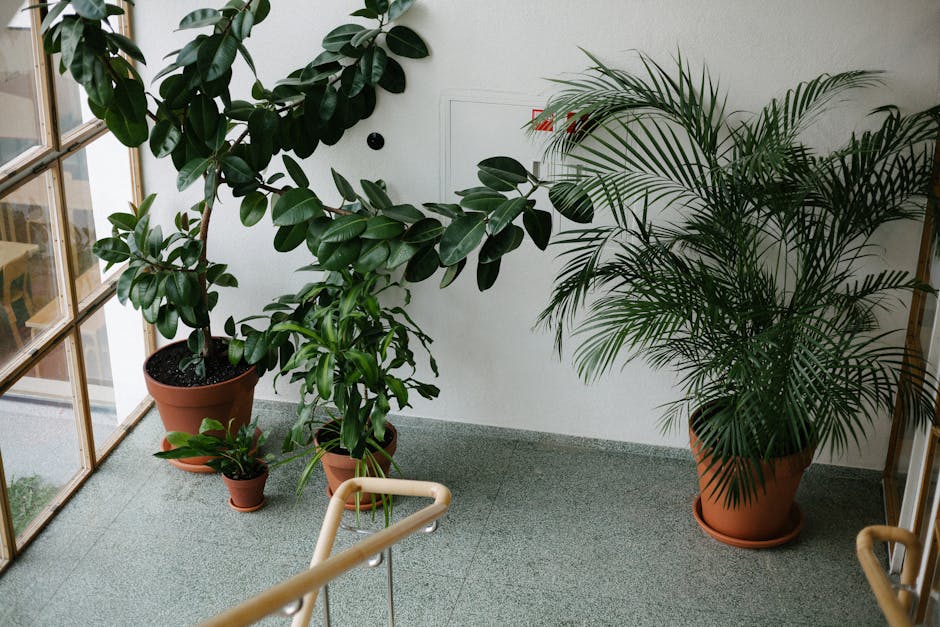
- Indoor Plants: Plants not only improve air quality but also reduce stress. Consider species like peace lilies and snake plants, which are easy to care for and thrive indoors.
- Water Features: The sound of water can be incredibly soothing. Indoor fountains or small water walls can create a calming atmosphere.
- Natural Materials: Incorporating wood, stone, and bamboo not only adds aesthetic value but also a tactile connection to nature.
Practical Steps to Implement Biophilic Design at Home
Bringing biophilic design into your home doesn’t require a complete overhaul. Start small by adding a few plants to your living space. Use natural materials for furniture or decor pieces. If budget allows, consider installing large windows or skylights to increase natural lighting. Technology, like smart blinds and automated watering systems, can also enhance your biophilic space by making it more functional and efficient.
Real-World Examples
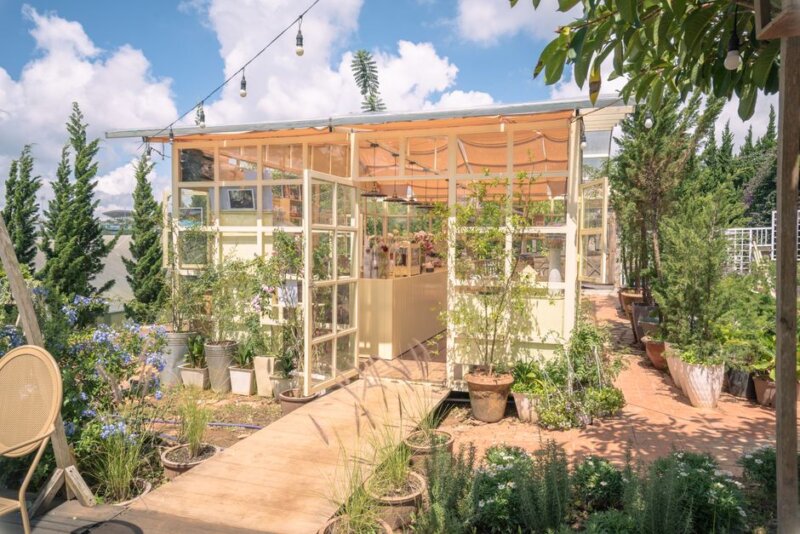
Several homes in urban areas like New York City and Tokyo have embraced biophilic principles. The ‘Sky Garden House’ in Singapore is a stunning example, featuring floor-to-ceiling windows and a rooftop garden that provides a green escape amidst the urban hustle. In Portland, Oregon, many homes have started incorporating living walls, bringing vertical gardens indoors to maximize greenery in limited spaces.
Your Takeaway
In 2026, biophilic design is more accessible than ever, offering a transformative way to enhance your living environment. By integrating natural elements into your home, you can create a space that promotes wellness, reduces stress, and fosters a deeper connection with nature. Whether it’s through a few potted plants or a comprehensive design overhaul, the benefits of biophilic design are clear and profound.