Why Zero Waste Matters More Than Ever
As we move further into 2026, the importance of sustainable living has never been clearer. With environmental consciousness reaching new heights, more people are shifting towards a zero waste lifestyle. This isn’t just a trend—it’s a necessity. Our planet’s resources are finite and the waste we produce has lasting impacts on our environment. Embracing a zero waste approach at home is an effective way to reduce your carbon footprint and contribute to a healthier world.
Understanding the Zero Waste Philosophy
Zero waste isn’t about being perfect; it’s about making conscious choices to minimize waste as much as possible. The core of this philosophy is the 5 R’s: Refuse, Reduce, Reuse, Recycle, and Rot. By refusing unnecessary items, reducing what we need, reusing what we have, recycling responsibly, and composting organic matter, we can significantly decrease our household waste.
- Refuse: Say no to single-use plastics and unnecessary packaging.
- Reduce: Opt for products that have minimal packaging and are designed to last.
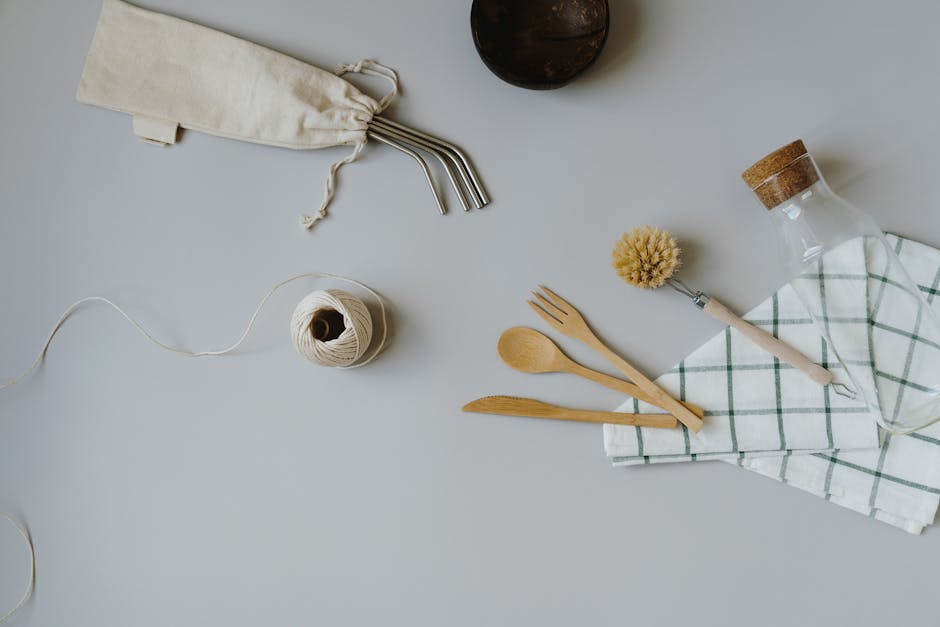
- Reuse: Invest in durable, reusable items like shopping bags and water bottles.
- Recycle: Properly sort and clean your recyclables to ensure they are actually recycled.
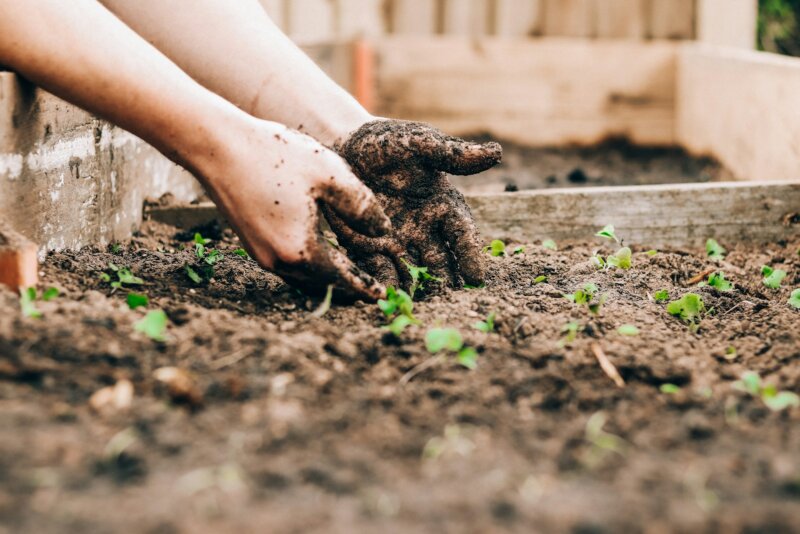
- Rot: Compost organic waste to enrich your garden soil.
Practical Steps to a Zero Waste Home
Transitioning to a zero waste home may seem daunting, but it can be a rewarding journey that leads to a more mindful and fulfilling lifestyle. Here are some practical steps to get you started:
Start with the Kitchen

The kitchen is often the biggest source of household waste. Begin by assessing your food consumption and waste patterns. Plan meals ahead to avoid overbuying and reduce food spoilage. Swap plastic wrap for beeswax wraps or glass containers. Consider buying in bulk to minimize packaging waste, and support local farmers by shopping at farmer’s markets.
Transform Your Bathroom
Bathrooms are another major area for waste reduction. Opt for bar soap and shampoo bars to eliminate plastic bottles. Switch to bamboo toothbrushes and reusable cotton rounds. For those who menstruate, consider using menstrual cups or cloth pads. These small changes can significantly decrease your daily waste.
Revamp Your Cleaning Routine
Many conventional cleaning products are harsh on both the environment and human health. Make your own cleaning solutions using natural ingredients like vinegar, baking soda, and essential oils. Use reusable cloths instead of disposable wipes. This not only reduces waste but also cuts costs.
Rethink Your Wardrobe
Fast fashion is a major contributor to global waste. Adopt a capsule wardrobe where you focus on quality over quantity. Choose timeless pieces and support brands committed to sustainable practices. Host clothing swaps with friends or explore thrift stores to refresh your wardrobe without contributing to waste.
Overcoming Common Challenges
No journey is without its hurdles, and transitioning to a zero waste lifestyle is no exception. You might find resistance from family members or frustration with the availability of sustainable products. Start small and be patient. Educate those around you about the benefits of zero waste living. Remember, every small step counts and collectively leads to significant impact.
The Joy of Living Simply
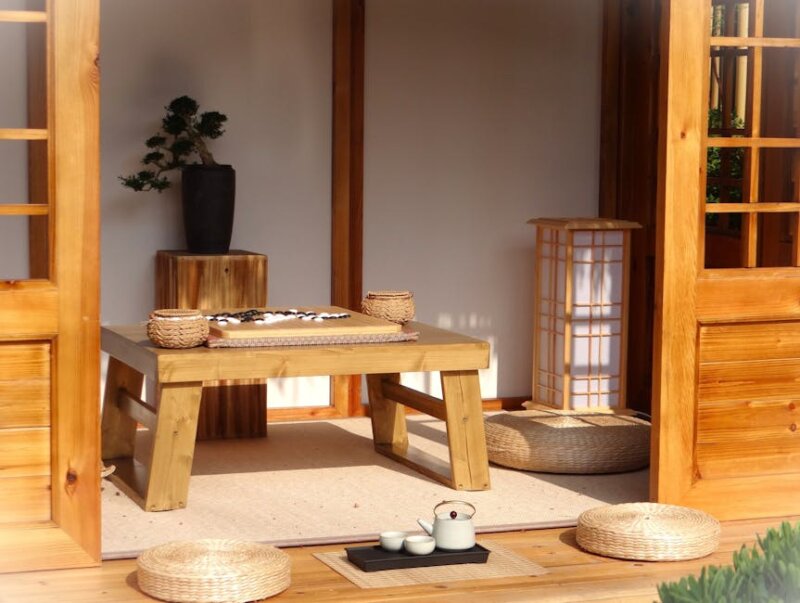
Beyond environmental benefits, adopting a zero waste lifestyle can lead to a more fulfilling and simplified life. By focusing on what truly matters and letting go of excess, you’ll find more space, time, and peace of mind. A zero waste home isn’t just about reducing waste; it’s about creating a nurturing environment that aligns with your values and supports your well-being.
Taking these steps towards a zero waste home in 2026 is not only essential for the planet but can also transform your everyday living experience. By embracing this lifestyle, you’re paving the way for a sustainable future while enhancing the quality of your life. Remember, the journey to zero waste is unique for everyone, but the rewards are universal.