
The Rise of Mindful Living
As we navigate the complexities of modern life, the concept of mindful living has risen from a whisper to a chorus. In 2026, designing a home that’s not only beautiful but also purpose-driven is a trend that resonates with many. This isn’t about minimalism or maximalism—it’s about living with intention, consciously choosing what enters our lives and how it influences our well-being.
Striving for a mindful home means creating spaces that support our mental and emotional health, encourage productivity, and foster connection. Let’s explore how you can transform your living space into a sanctuary of mindfulness.
Curate Your Space with Purpose
The first step in designing a mindful home is curating a space with intentionality. Each item in your home should serve a purpose, whether it brings you joy, facilitates a task, or enhances your mental state.
- Choose with Care: When selecting furniture or decor, ask yourself if it aligns with your values and lifestyle. This isn’t just about aesthetics—it’s about creating a space that reflects you.
- Create Functional Zones: Designate specific areas for activities like meditation, work, or art. This helps in maintaining focus and ensures your home serves all your needs without clutter.
- Embrace Quality Over Quantity: Investing in high-quality, durable items reduces waste and enhances your environment’s energy. A well-crafted chair might cost more upfront but will last decades, providing comfort and a timeless appeal.
Incorporate Nature Indoors
Bringing elements of nature inside your home is a key part of mindful living. Natural elements can significantly improve mood and reduce stress.
- Indoor Plants: Not only do indoor plants purify the air, but they also provide a calming presence. Consider resilient plants like snake plants or pothos, which require minimal maintenance.
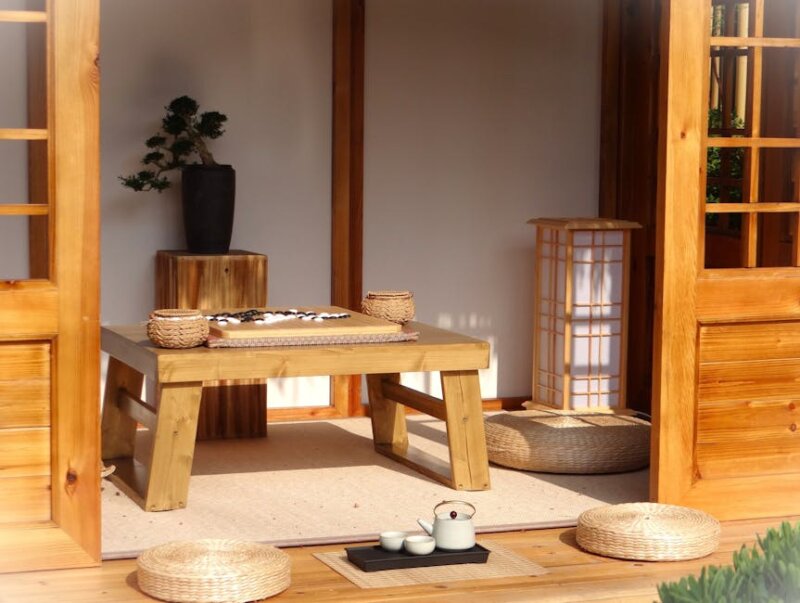
- Natural Materials: Incorporate wood, stone, and clay into your decor. These materials connect us to the earth and add a tactile quality that’s soothing to the senses.
- Sunlight and Ventilation: Maximize natural light and airflow. Position furniture to take advantage of windows, and use sheer curtains to let in sunlight while maintaining privacy.
Design for Mental Well-being
Your home should be a place where your mind can unwind and recharge. Thoughtful design decisions can make a world of difference.
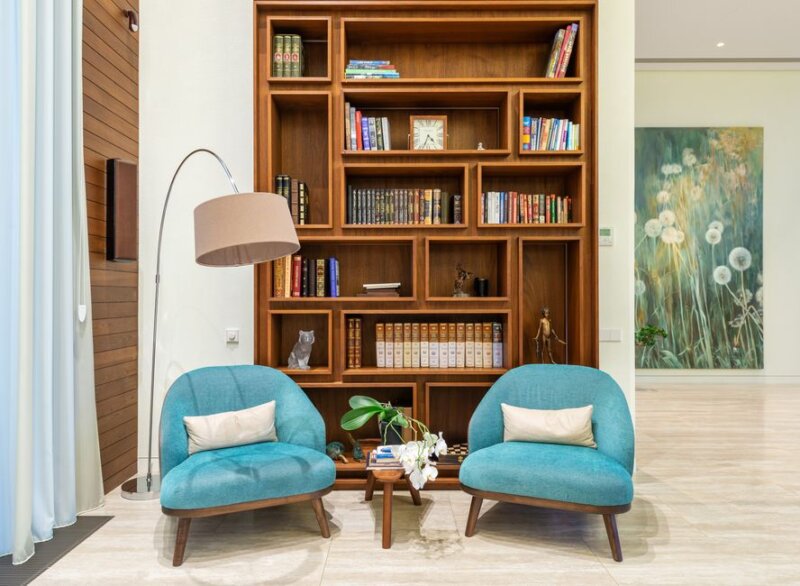
- Quiet Corners for Reflection: Create spaces dedicated to silence and introspection. A cozy reading nook or a meditation corner can become your personal retreat.
- Calming Colors: Utilize a palette of soft, calming colors like blues, greens, and earth tones. These hues can help reduce anxiety and promote a sense of calm.
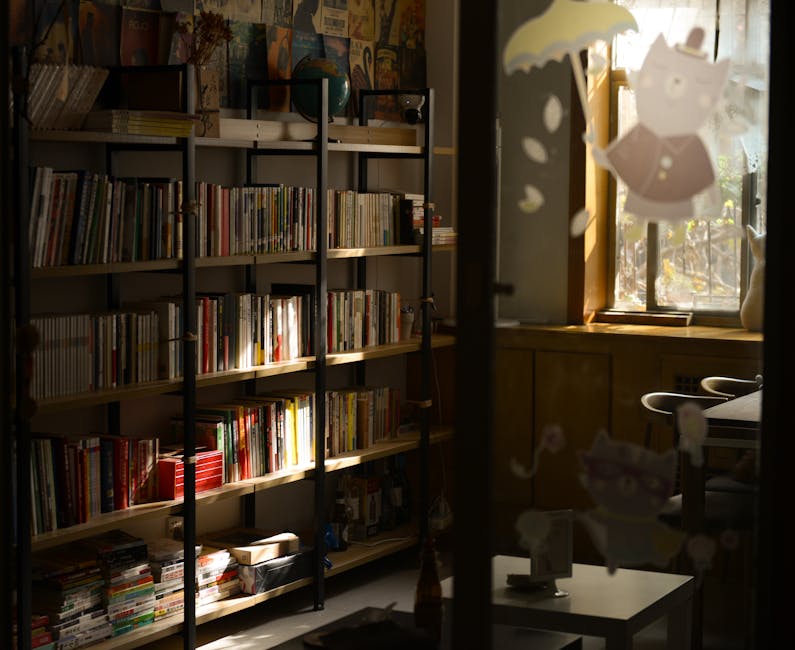
- Organized Spaces: An organized home is a peaceful home. Use smart storage solutions to minimize clutter, which can create mental fog and distract from relaxation.
Foster Connection and Community
A mindful home isn’t just about solitude—it’s also about fostering connections with loved ones and the community.
- Communal Spaces: Design areas that encourage interaction, such as a kitchen island or a communal dining table. These spots become the heart of the home where memories are made.
- Local Art and Craftsmanship: Support your local community by incorporating locally made art and furniture. This not only adds unique character to your home but also creates a connection to your surroundings.
- Tech-free Zones: Establish areas where technology is unwelcome, allowing for more face-to-face interactions and deeper connections.
Practical Takeaway
Designing a mindful home in 2026 means making choices that reflect your values, support your well-being, and foster meaningful connections. It’s about creating a sanctuary that feels authentically you. As you embark on this journey, remember that every choice is an opportunity to live more intentionally.