Introduction to Scented Living

In 2026, the concept of a home has transcended beyond mere aesthetic design to embrace the full sensory experience, and one of the most significant yet often overlooked dimensions is the world of scents. As technology and creativity blend, crafting a personalized aromatic environment has never been more achievable. The role of scents in our living spaces impacts mood, productivity, and overall well-being.
The Science Behind Scents
Scientific studies have long demonstrated the powerful connection between scent and the brain. The olfactory system is directly linked to the limbic system, which governs emotions and memories. The right scent can evoke emotions, uplift spirits, and even reduce stress levels. For instance, lavender is known for its calming properties, while citrus scents can invigorate and energize.
Trends in Home Fragrance for 2026
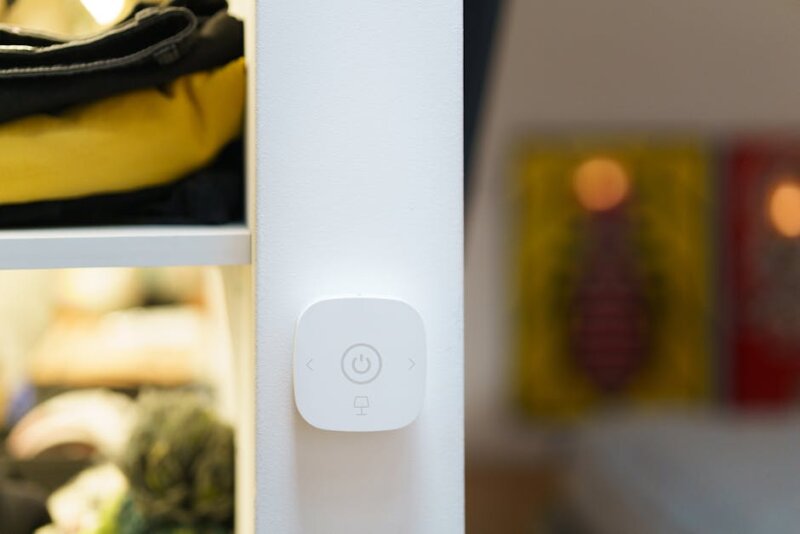
Smart Diffusers: In today’s connected homes, smart diffusers lead the way. These devices sync with your smartphone or smart home system, allowing you to customize scent levels, schedule diffusion times, and even integrate with other smart devices for a cohesive home experience.

Biodegradable Candles: Environmentally conscious living is at the forefront, and home fragrances are no exception. 2026 sees a rise in candles made from biodegradable waxes like coconut and soy. These candles not only burn cleaner but also come equipped with eco-friendly packaging.
Scent Layering: Much like layering textiles, scent layering has emerged as a popular trend. By combining different notes, homeowners can create complex, bespoke fragrances that evolve throughout the day. A morning blend might feature bright citrus, transitioning to warm spices by evening.
Creating Your Personal Scented Sanctuary
Customizing your home’s fragrance doesn’t require a hefty budget. Here are some practical steps to create a sanctuary filled with your favorite scents:
- Identify Your Preferred Scents: Before you start, determine which scents resonate most with you. Do you prefer floral, woody, or spicy notes?
- Use Natural Elements: Incorporate fresh flowers, dried herbs, or fruits as natural scent sources. These elements not only add fragrance but also enhance your home’s aesthetic.
- Zone-Specific Scents: Tailor scents to different areas of your home. Consider calming lavender for the bedroom, invigorating eucalyptus in the bathroom, and cozy cinnamon for the living room.
Integrating Scents with Interior Design
2026 continues the trend of holistic home design, where every element serves a purpose. Here’s how to integrate fragrances into your interior design seamlessly:

Match Scent to Design Aesthetics: Ensure the scent complements your home’s style. A minimalist home might pair with clean, fresh scents like linen or cotton, while a rustic home could opt for earthy, woody aromas.
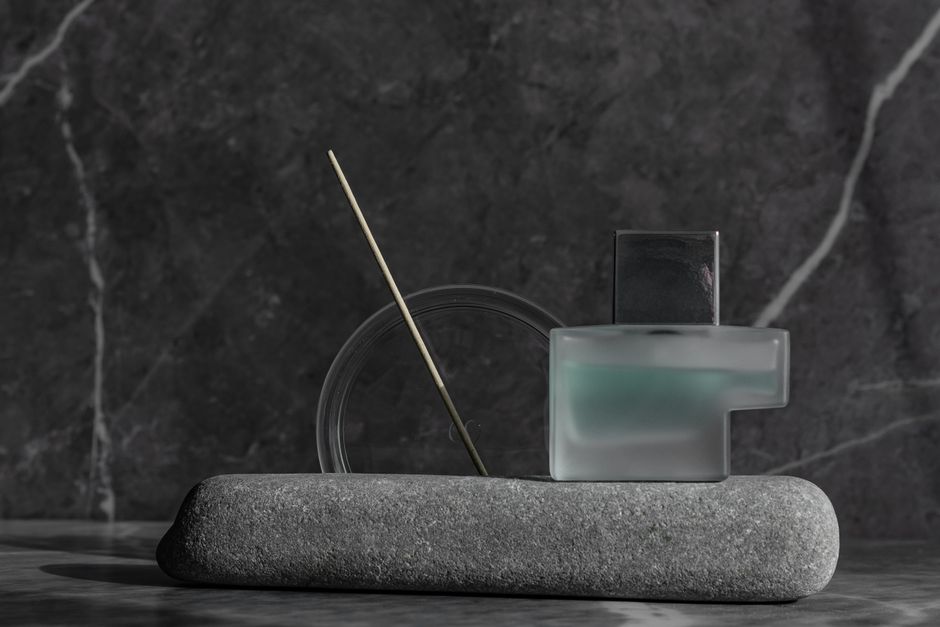
Use Fragrance as a Design Element: Candles and diffusers aren’t just functional; they’re decorative pieces. Opt for aesthetically pleasing designs that match your decor.
Practical Takeaway
Creating a scented sanctuary is an art that enhances your living experience, offering comfort, joy, and a personalized touch to your daily life. As you explore the aromatic possibilities, remember that your home scent should be a reflection of your personality and lifestyle. Embrace the trends of 2026 and transform your home into a fragrant haven that delights the senses and soothes the soul.