
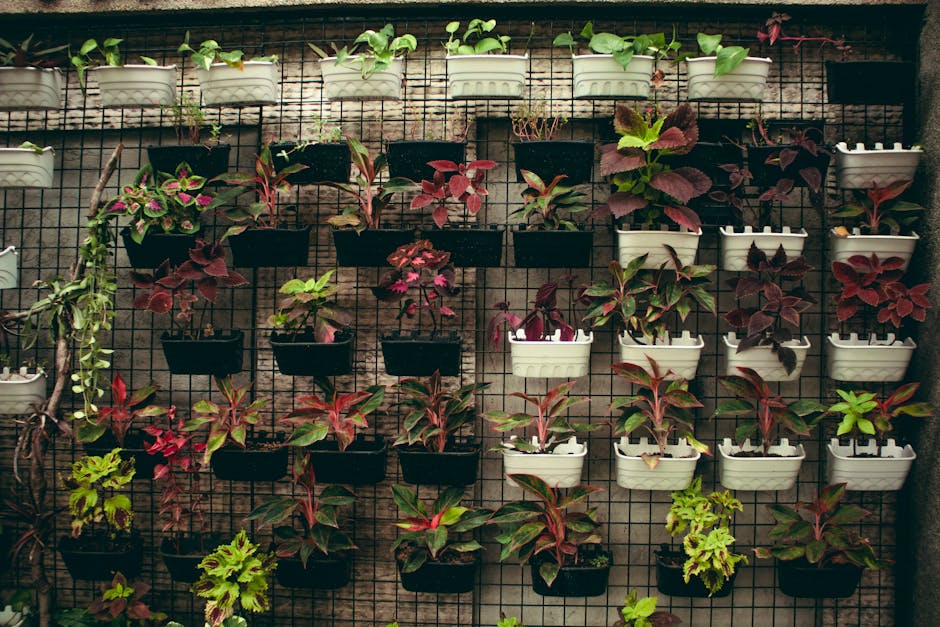
The Rise of Vertical Gardens
In 2026, vertical gardens have transcended from a niche hobby to a mainstream home feature. These lush, green walls are not only aesthetic marvels but also functional, offering benefits like improved air quality, sound absorption, and a boost to mental well-being. As urban spaces become more compact, the need for creative green solutions is more pressing than ever. More people are turning to vertical gardens to bring nature into their homes without sacrificing space.
Choosing the Right Plants for Your Vertical Garden
Picking the right plants is crucial for a thriving vertical garden. Opt for plants that are hardy and have a shallow root system, such as pothos, fern species, and succulents. These plants are not only durable but also require minimal maintenance. Additionally, incorporating herbs like basil and mint can add functionality to your green wall, allowing you to spice up your cooking endeavors with homegrown flavors.
Designing Your Vertical Oasis
A vertical garden can become a striking focal point in any room. Start by considering the scale of your wall. Do you want a small, framed green display, or a full wall takeover? Materials are equally important; while traditional soil-based systems work, consider hydroponic systems for a sleek, modern approach. These systems use nutrient-rich water instead of soil, reducing mess and weight. Combine different plant textures and colors to add depth and visual interest to your living artwork.
Maintaining Your Green Wall
Keeping a vertical garden lush and healthy requires some effort, but technology makes it easier. Automated irrigation systems can ensure your plants get the right amount of water without constant attention. Most systems come with timers and moisture sensors that prevent over or under-watering. Regularly prune your plants to encourage growth and remove any dead leaves or debris. This not only promotes plant health but keeps your wall looking pristine.
Benefits Beyond Beauty
The benefits of vertical gardens extend beyond their beauty. They can significantly improve indoor air quality by filtering out pollutants and releasing oxygen. Moreover, the presence of greenery has been shown to reduce stress and increase productivity, making them perfect for home offices or study areas. Vertical gardens also provide natural insulation, helping to regulate your home’s temperature and potentially lowering energy costs. This sustainable approach aligns well with the eco-conscious ethos that many households are adopting in 2026.
Getting Started with Your Own Vertical Garden
Ready to transform your home with a vertical garden? First, choose a suitable wall with adequate natural light. Consider starting with a small section to test your green thumb. Kits are available online that include all necessary components, from panels to irrigation systems. If you’re unsure, many landscapers specialize in vertical gardens and can provide custom solutions tailored to your space. Remember, the key to a successful vertical garden is to start simple and expand as your confidence grows.
By integrating vertical gardens into your living space, you’re not just following a trend but investing in a healthier, more sustainable environment. Whether you live in a city apartment or a suburban home, a vertical garden can be a beautiful reminder of the natural world, right inside your home.