
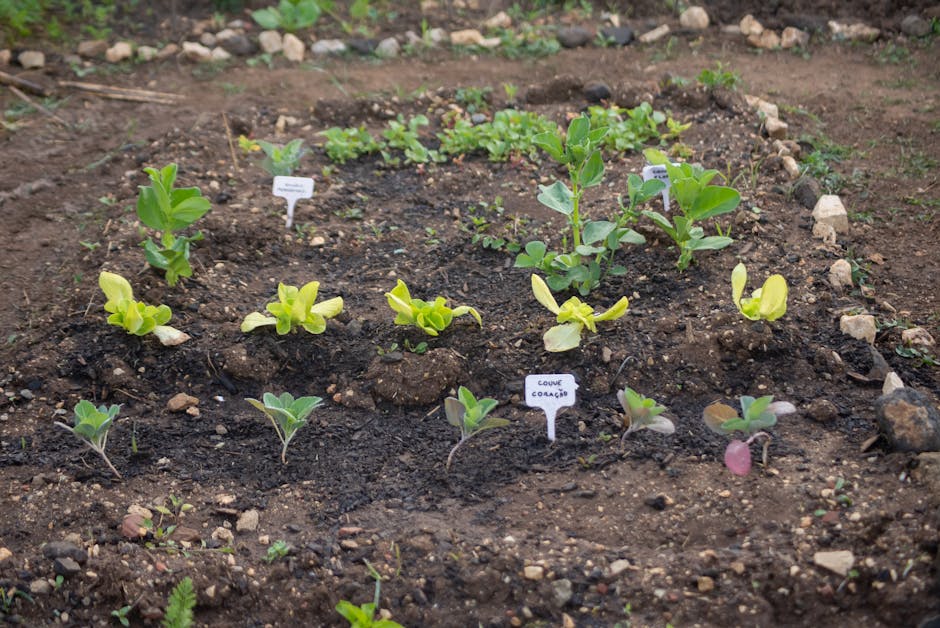
The Rise of Urban Homesteading

As we find ourselves in the heart of 2026, urban homesteading has transcended from a niche interest to a mainstream lifestyle, especially among suburban dwellers yearning for a touch of rural living without giving up their city comforts. This shift is not just about growing your own food. It’s a holistic approach to sustainable living that encompasses everything from food production to energy efficiency and waste reduction.
Starting Small: Your Homestead Essentials
Embarking on the journey of urban homesteading doesn’t require a massive overhaul of your current living conditions. In fact, starting small is often the key to sustainable success. Consider integrating these essentials:
- Container Gardens: Even if your green space is limited to a balcony or a small backyard, container gardens can provide a surprising yield. Herbs like basil, mint, and rosemary thrive in pots and can be a gateway to more elaborate gardening.
- Composting Systems: With more than 22% of landfill mass attributed to food waste, personal composting systems are a fundamental addition to any urban homestead. Systems such as the Bokashi composting method are compact and efficient, making them ideal for suburban settings.
- Rainwater Harvesting: As water conservation becomes increasingly vital, simple installations for rainwater collection can be both environmentally friendly and cost-effective. Systems start from as simple as rain barrels to more complex setups that can complement existing irrigation solutions.
Embracing Technology for Smarter Homesteading
In 2026, technology has become an indispensable ally for urban homesteaders. From smartphone apps that help track weather patterns and planting schedules to AI-powered gardening gadgets, the fusion of technology and homesteading offers incredible possibilities.
Consider the example of Aerogarden’s hydroponic systems. These have become popular for growing greens indoors with minimal space requirements. Similarly, solar panel installations are now more accessible than ever, providing renewable energy solutions for homes aiming to reduce their carbon footprint.
Community Connections: The Heart of Urban Homesteading
One of the most enriching aspects of urban homesteading is the sense of community it fosters. Across suburban areas, community gardens and local farmer’s markets are burgeoning, providing venues for exchanging produce, seeds, and tips. In cities like Portland and Austin, urban homesteading clubs offer workshops and shared spaces to cultivate common interests and mutual support among neighbors.
This communal aspect not only strengthens local networks but also contributes to food security and resilience, aspects that are increasingly important in our uncertain global context.
Looking Ahead: Challenges and Opportunities
While urban homesteading offers numerous benefits, it is not without its challenges. Zoning laws, access to resources, and initial setup costs can be barriers. However, as the movement continues to gain traction, there is hope that municipal policies will evolve to support the urban homesteader’s lifestyle.
There’s a growing opportunity for urban areas to transform underutilized spaces into productive green spaces. Cities like Detroit are leading the way by repurposing vacant lots for community agriculture, setting inspiring examples for others.
Practical Takeaway: Creating Your Urban Oasis
Urban homesteading is less about changing your entire lifestyle overnight and more about making incremental changes that align with your values and available resources. Begin with one or two projects that excite you and build from there. Whether it’s a tiny herb box on a windowsill or a full vegetable patch, these efforts contribute to a more sustainable and fulfilling way of life.