In a world where technology evolves at a breakneck pace, there is a growing desire to reconnect with the past. This yearning finds a unique expression in the way we design our homes. Welcome to the enchanting realm of retro-themed interiors, where the past meets the present in a symphony of colors, patterns, and memories. In 2026, this trend is not just about aesthetics; it’s a celebration of history, culture, and the stories that shape us.
The Allure of Times Gone By
Retro design is more than just a nod to the past; it’s a full embrace of the charm and character of bygone eras. In 2026, the focus is on the mid-20th century — think 1950s diners, 1960s pop culture, and 1970s bohemian vibes. This period offers a treasure trove of design inspiration, from vibrant geometric patterns to sleek, minimalistic furniture.
Why the sudden surge in popularity? Perhaps it’s the warmth and nostalgia these designs evoke, providing a comforting retreat in our modern lives. Retro interiors are about creating spaces that tell a story, filled with pieces that invite conversation and evoke memories.
Key Elements of a Retro Home
So, you’re ready to dive into the world of retro design. But where do you start? Here are some key elements to consider:
- Color Palettes: Retro design is known for its bold, vibrant colors. Think avocado greens, mustard yellows, and burnt oranges. These colors bring a lively energy to any space.
- Furniture: Embrace the simplicity and functionality of mid-century modern furniture. Look for pieces with clean lines, tapered legs, and organic shapes.
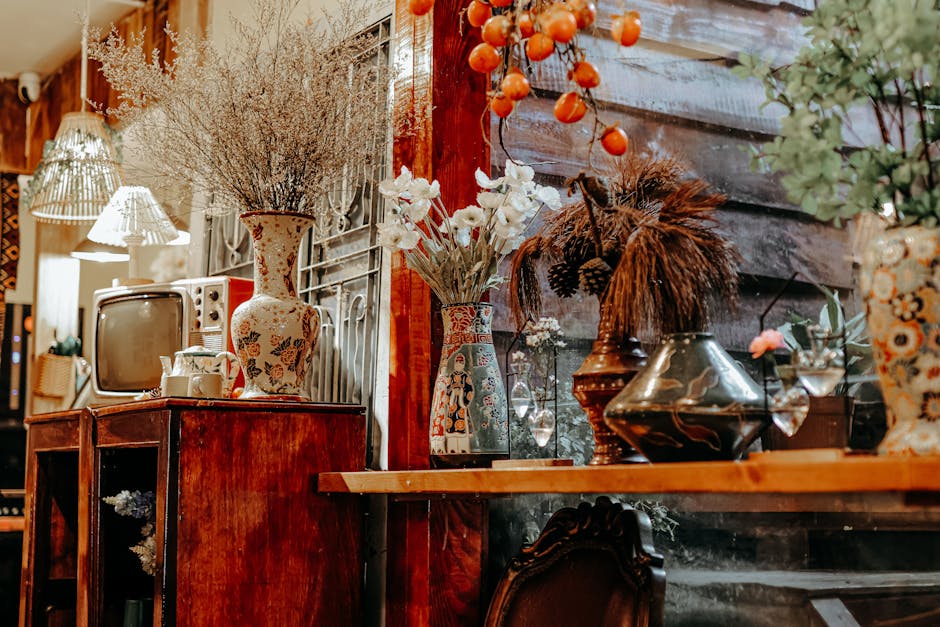
- Decorative Accents: Accessories are where you can really let your personality shine. Consider vintage posters, abstract art, and quirky knick-knacks that add character to your home.
- Lighting: Incorporate iconic lighting like lava lamps, Sputnik chandeliers, and the classic Arco floor lamp to create an authentic retro vibe.
Blending Old and New: A Harmonious Balance
While the retro theme is about celebrating the past, there’s no need to forsake modern comforts. The challenge is to create a harmonious balance between vintage and contemporary elements. For example, pair a vintage coffee table with a modern sectional sofa. Or, use retro-inspired wallpaper in a room with state-of-the-art technology.
In the kitchen, modern appliances can coexist with retro aesthetics. Imagine a sleek, high-tech refrigerator surrounded by cabinets painted in a classic mint green shade. This blend not only makes the space functional but also adds a layer of depth and contrast.
Shopping for Authentic Retro Pieces
Finding authentic retro pieces requires a mix of patience and a keen eye. Flea markets, estate sales, and online platforms like eBay are treasure troves for vintage finds. However, it’s essential to do your research to ensure you’re investing in genuine pieces.

For those who prefer new with a retro flair, there are numerous retailers specializing in reproductions of classic designs. These offer the best of both worlds — new items with the aesthetic essence of vintage pieces, often at a more accessible price point.
Your Personalized Retro Journey
Ultimately, creating a retro-themed home is a deeply personal journey. It’s about weaving your unique story into the fabric of your home. Whether it’s incorporating heirlooms passed down through generations or curating a collection of items that reflect your love for a particular era, the goal is to create a space that feels authentically yours.
Take your time as you embark on this decorative journey. Let each piece find its place in your home, contributing to an atmosphere that is both nostalgic and forward-looking.
Practical takeaway: The retro design movement in 2026 is a testament to our desire to connect with the past. By carefully selecting colors, furniture, and accessories, you can craft a space that is warm, inviting, and uniquely yours. Remember, the best retro homes are those that tell a story — your story.