
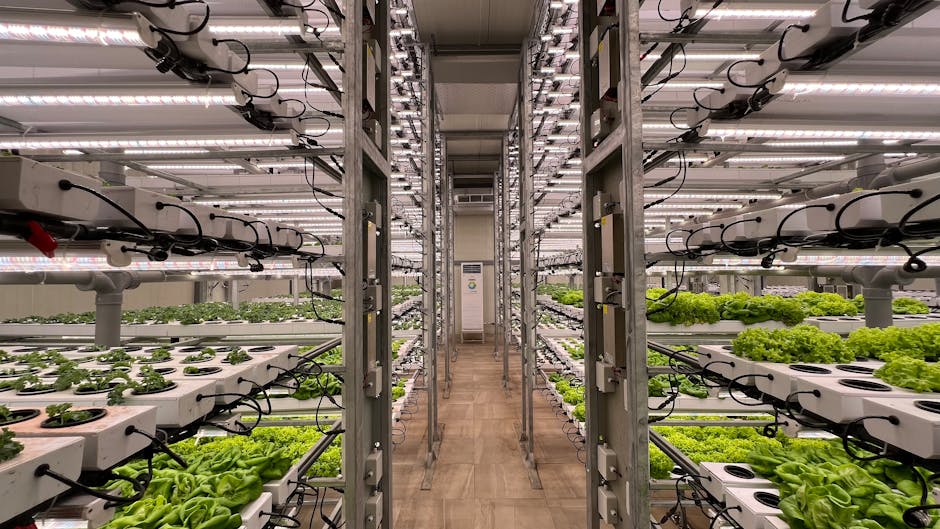
Why Indoor Urban Farming is Booming in 2026

As we step into the heart of 2026, the urban landscape is changing in dynamic ways, with indoor urban farming taking the lead in home transformations. This isn’t just a fleeting trend; it’s a lifestyle shift that reflects a deeper commitment to sustainability, self-reliance, and wellness. With more people living in cities than ever before, bringing nature inside has become a practical solution to space constraints and food security concerns.
In fact, according to a report by the Global Urban Agriculture Institute, indoor farming in urban areas has increased by 40% since 2024. People are turning their living rooms, kitchens, and even bedrooms into green sanctuaries where they can nurture everything from herbs to vegetables.
Setting Up Your Indoor Urban Farm: A Step-by-Step Guide
Getting started with indoor urban farming may seem daunting, but with the right approach, anyone can cultivate a flourishing green corner in their home.
- Select the Right Space: Identify areas in your home that receive adequate sunlight. Windowsills, balconies, or even under skylights can be ideal spots. Ensure the area is accessible for regular maintenance.
- Choose Your Plants Wisely: Start with easy-to-grow plants such as lettuce, basil, or cherry tomatoes. Consider your culinary preferences and the local climate when selecting plants.
- Invest in Quality Soil and Containers: Opt for organic potting mixes and containers that provide good drainage. Self-watering pots can be a boon for novice gardeners.
- Leverage Smart Technology: Use apps and smart plant sensors that monitor soil moisture levels, light, and temperature to optimize plant health.
- Maintain a Routine: Consistency is key. Create a watering and feeding schedule that suits your plant’s needs, and stick to it.
The Health and Environmental Benefits
Indoor urban farming is not just about aesthetics; it offers a host of health benefits as well. Plants are natural air purifiers, removing toxins and improving indoor air quality. This can lead to better respiratory health and increased mental clarity for those living in the space.
Environmentally, this practice reduces the carbon footprint associated with transporting food from farm to table. By growing your own produce, you’re cutting down on the need for plastic packaging and reducing waste.
Community Engagement Through Shared Harvests
A unique aspect of indoor urban farming is the community spirit it fosters. Many urban dwellers are now engaging in produce swaps, where neighbors exchange home-grown fruits, herbs, and vegetables. This not only broadens dietary variety but strengthens community bonds.
In cities like Seattle and Austin, community-supported agriculture (CSA) programs are gaining traction, with local organizations providing resources and support to budding urban farmers. Participating in such initiatives can enhance your farming skills and allow you to contribute to a larger cause.
Challenges and How to Overcome Them

Like any endeavor, indoor urban farming comes with its own set of challenges. Space limitations, pest control, and plant health can all pose issues. However, these can be managed with a proactive approach.
- Managing Space: Use vertical gardening techniques, such as wall planters or hanging pots, to maximize space efficiency.
- Controlling Pests: Implement natural pest control methods, like introducing beneficial insects or using organic pest repellents.
- Ensuring Plant Health: Regularly rotate your plants and monitor them for signs of distress. Adjust your care routines based on seasonal changes.
Takeaway: Embrace the Green Revolution
Indoor urban farming is more than just a hobby; it’s a step towards a sustainable and self-sufficient lifestyle. As you cultivate your own food, you’re not only enhancing your living space but also contributing to a healthier planet. Start small, stay consistent, and enjoy the fruits of your labor—literally!