The Essence of Wabi-Sabi: A Philosophy of Imperfection
The concept of Wabi-Sabi has transcended its Japanese origins to become a global trend in home interiors. At its core, Wabi-Sabi is about finding beauty in imperfection, embracing the natural cycle of growth and decay, and appreciating the authenticity of materials and craftsmanship.
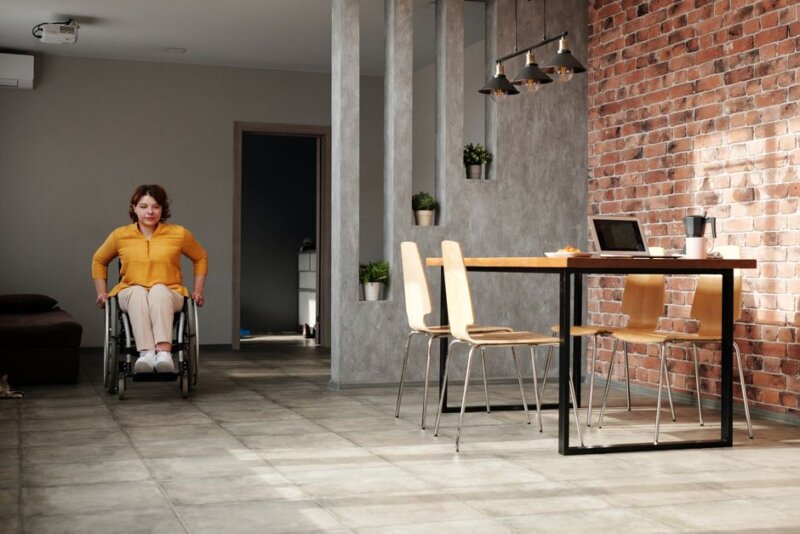
In 2026, this philosophy is reshaping how we think about our living spaces. It encourages us to value simplicity and authenticity, moving away from the polished and the perfect. Imagine a living room with a hand-carved wooden table, its surface marked by the passage of time, or a kitchen with exposed brick walls that tell their own history.
Why Wabi-Sabi? The Appeal of Imperfection in Modern Times
Our world is increasingly digital and fast-paced, creating a craving for spaces that offer a sense of calm and authenticity. The Wabi-Sabi aesthetic meets this need by promoting environments that feel lived-in and genuine. It’s about enjoying the charm of a cracked ceramic vase or the warmth of a well-loved leather chair.
This trend also serves as an antidote to consumerism. In a time when sustainability is paramount, Wabi-Sabi encourages the use of materials that age gracefully, rather than those that demand constant replacement. It’s about choosing a handmade crockery set over mass-produced alternatives, thereby supporting artisans and reducing environmental impact.
Key Elements of a Wabi-Sabi Home
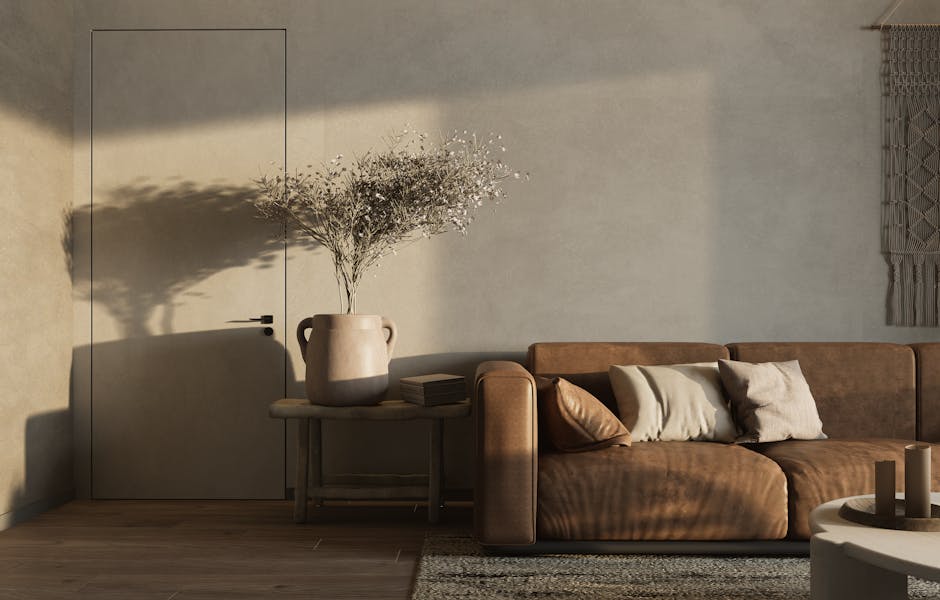
- Natural Materials: Embrace wood, stone, clay, and metal. Let their natural hues and textures dominate your space. Consider a driftwood dining table or a stone sink as focal points.
- Neutral Colors: Use a palette of earthy tones—soft whites, browns, grays, and greens—that reflect nature’s serenity and promote tranquility.
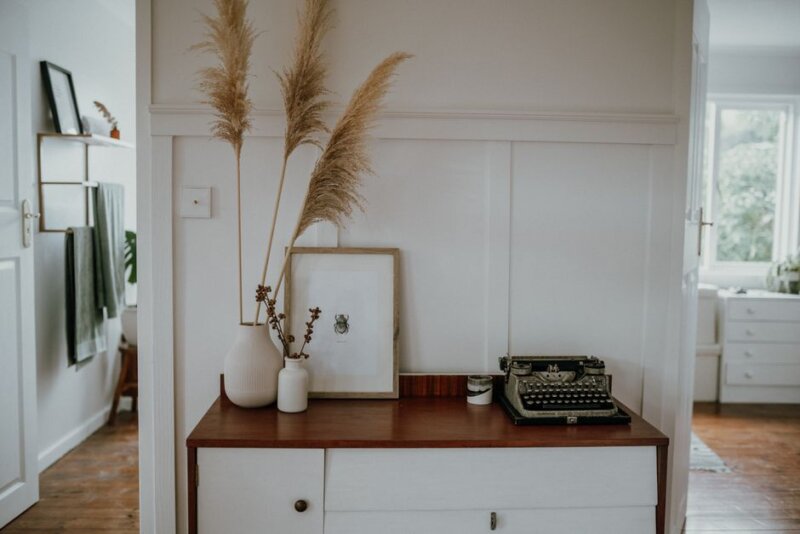
- Handcrafted Objects: Incorporate ceramics, textiles, and furniture made by skilled craftsmen. These items often come with slight imperfections, adding character and depth.
- Simple Forms: Prioritize simple, minimalist designs. Avoid ornate patterns and focus on clean lines and functional forms.
- Subtle Lighting: Opt for soft, diffused lighting. Lanterns, candles, and low-wattage bulbs create a warm, inviting atmosphere.
How to Bring Wabi-Sabi Into Your Home
Transforming your home with Wabi-Sabi doesn’t require a complete overhaul. Start with small changes. Introduce natural materials through decor items like bamboo blinds or cotton throws. Swap out harsh lighting for softer alternatives, perhaps by adding a few Himalayan salt lamps.
Declutter your space, focusing on quality over quantity. Each item should have a purpose or emotional significance. This might mean displaying a collection of pebbles gathered on your travels or hanging a handmade tapestry that tells a story.
Wabi-Sabi and Mental Well-being
Living in a Wabi-Sabi-inspired environment can have positive effects on mental health. The philosophy encourages mindfulness, urging you to appreciate the present moment and the beauty of transience. This mindset can reduce stress and create a sense of peace and fulfillment.
Incorporating elements like meditation corners or reading nooks can further enhance this experience, offering personal spaces to relax and reflect.
Practical Takeaway: Start Small, Feel the Impact
Embracing Wabi-Sabi is about more than aesthetics; it’s a lifestyle shift. Begin by identifying one area of your home to transform. Perhaps it’s your bedroom—introduce linens in natural fibers, add a few handcrafted decorations, and rearrange to create a sense of openness and flow. As you see the benefits, expand these changes throughout your home. Remember, it’s not about achieving perfection; it’s about finding beauty in what already exists.