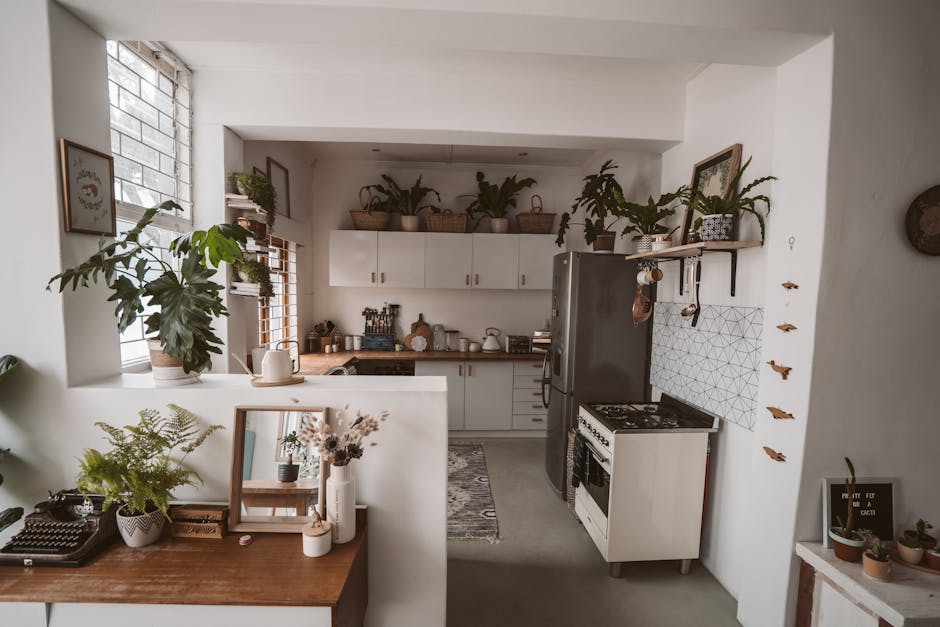
Introduction to the Global Kitchen Trend

Welcome to 2026, where the heart of the home is more internationally inspired than ever. The global kitchen is not just a trend; it’s a celebration of diversity and flavor. As we become more interconnected, our culinary spaces reflect our journeys, our stories, and our tastes from around the world. This year, transform your kitchen into a melting pot of cultures, spices, and techniques.
Why a Global Kitchen?
Why limit yourself to one culinary tradition when you can have a blend of many? A global kitchen doesn’t just mean having a variety of spices on your rack—it’s about creating a space that inspires culinary exploration and cultural appreciation. By integrating elements from different cuisines, you enrich your cooking experience and open up a world of possibilities.
Key Elements of a Global Kitchen
Your journey begins with understanding the core components that make a kitchen truly global:
- Spice Racks Overhaul: Stock your kitchen with essential spices and herbs from around the globe. Think cumin, turmeric, star anise, za’atar, and sumac. These spices don’t just add flavor; they tell a story.
- Culinary Tools: Equip your kitchen with tools like a Japanese yanagiba knife, a Moroccan tagine, and an Indian tava. Not only do these items add authenticity, but they also enhance your cooking techniques.
- Cultural Decor: Incorporate decor items such as Moroccan tiles, Italian pottery, or Chinese porcelain. These pieces add cultural richness and inspire every meal you prepare.
Exploring Flavor Profiles

Each culture has its unique flavor profile, shaped by history, geography, and tradition. Here’s a quick guide to some must-try flavors:
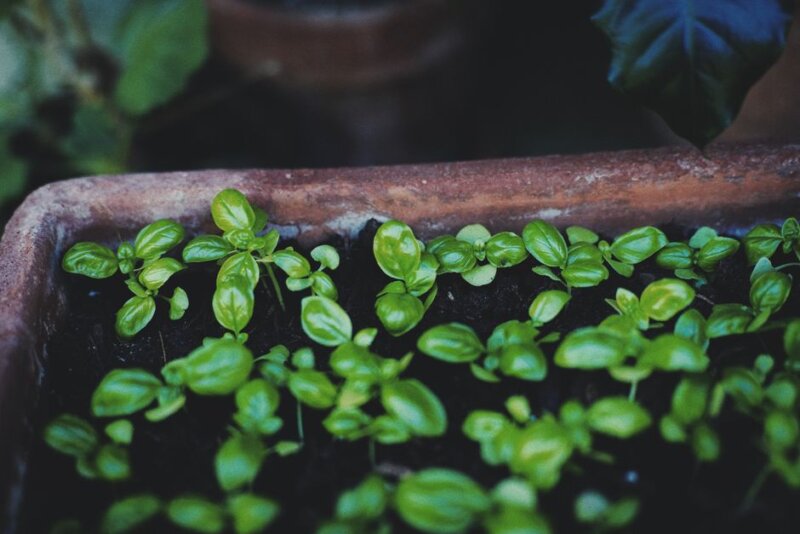
- Italian: Explore the magic of basil, oregano, and olive oil. Consider creating a mini herb garden on your windowsill for fresh picks.
- Mexican: Dive into the richness of chili peppers, cilantro, and cacao. A molcajete (traditional grinding tool) can transform your salsas and sauces.
- Indian: Get familiar with the warm spices of garam masala, cardamom, and cloves. A spice grinder is essential for freshness.
- Middle Eastern: Experiment with za’atar, sumac, and pomegranate molasses. These flavors work wonders on roasted vegetables and meats.
- Japanese: Embrace the umami bomb with miso, soy sauce, and nori. Try making a simple dashi broth to use as a base for numerous dishes.
Creating a Fusion Menu
Once your kitchen is stocked and ready, it’s time to get creative. Fusion cuisine is not about mixing everything on the shelf—it’s about thoughtful combinations that highlight the best of multiple worlds. Here are a few ideas to get you started:
- Italian-Japanese Fusion: Imagine a sushi roll with basil pesto and a sprinkle of parmesan.
- Indian-Mexican Fusion: How about a curry-spiced taco with cilantro lime chutney?
- French-Middle Eastern Fusion: Consider a lamb tagine with a touch of herbes de Provence and a side of couscous.
A Practical Takeaway
Transforming your kitchen into a global culinary playground doesn’t happen overnight, but with each new spice you add or dish you try, you’ll find your culinary world expanding. Start small, perhaps with a new spice or tool, and let your taste buds guide you. Remember, the joy of a global kitchen is in the journey as much as the destination. Bon appétit, buen provecho, and enjoy your meal!