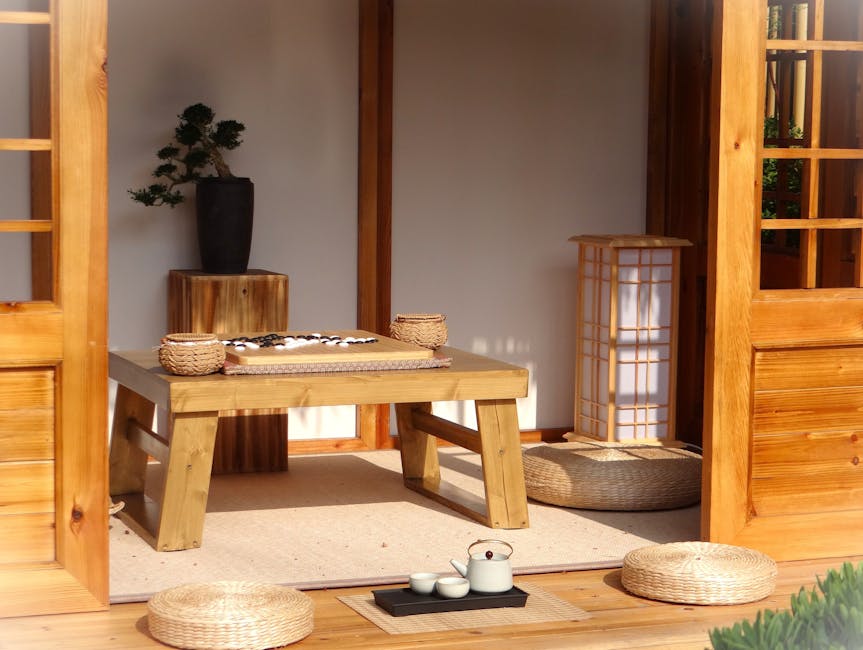
The Beauty of Wabi-Sabi: Understanding the Concept
Wabi-Sabi, a Japanese aesthetic philosophy, has been around for centuries, but only recently has it made its way into the global interior design scene. In a world increasingly obsessed with perfection, the Wabi-Sabi approach encourages us to find beauty in imperfection and transience. It’s about embracing the natural cycle of growth and decay, and appreciating the simple, unpolished, and authentic.
In 2026, this philosophy has become more than just a design trend; it’s a way of life. It invites us to slow down, appreciate the moment, and find contentment in the imperfect. This mindset shift is reflected in our living spaces, where the emphasis is on natural materials, textures, and forms that highlight the beauty of imperfection.
Choosing Materials: Wood, Stone, and Beyond
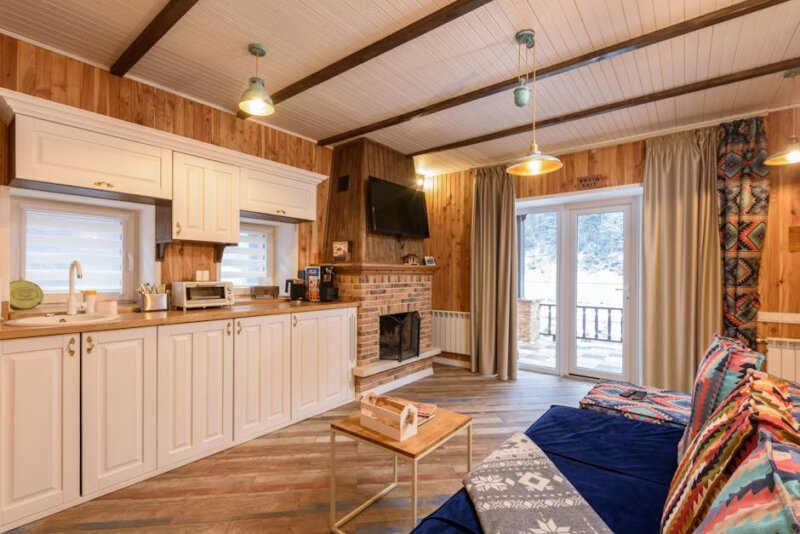
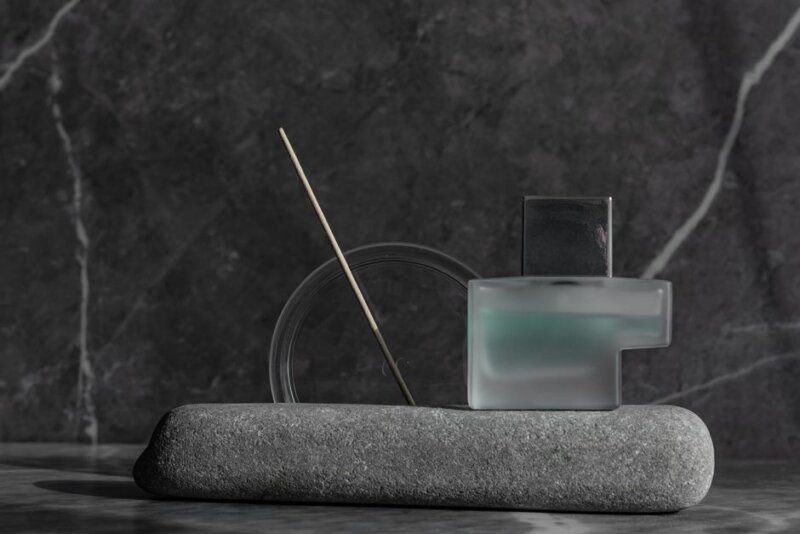
Incorporating Wabi-Sabi into your home means selecting materials that age gracefully. Wood is a popular choice, particularly for flooring and furniture. Think reclaimed wood with visible knots and grain patterns—elements that tell a story of their own. Stone, too, plays a significant role. Opt for surfaces that reveal the natural texture and color variations of the material.
Ceramics are another fantastic way to introduce Wabi-Sabi. Handmade pottery with irregular shapes and glazes brings a personal touch to your space. Consider supporting local artisans who create these unique pieces, ensuring each item in your home carries its own narrative.
The Art of Decluttering with Purpose
While minimalism focuses on reducing clutter, Wabi-Sabi encourages a thoughtful approach to possessions. It’s about keeping what is meaningful and letting go of the rest. Start by assessing each item’s sentimental value and its role in your life. Does it bring joy? Does it serve a purpose?
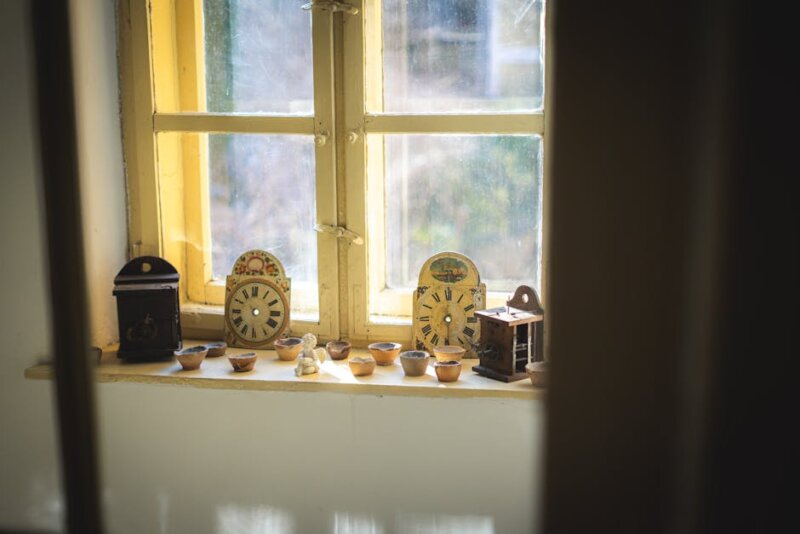
Display objects that tell your story, like family heirlooms or travel souvenirs. This isn’t about filling your home with things, but about creating a space that reflects your journey. A well-curated shelf with cherished items can evoke a sense of nostalgia and warmth, essential elements of the Wabi-Sabi aesthetic.
Textiles and Colors: Earthy Tones and Natural Fabrics
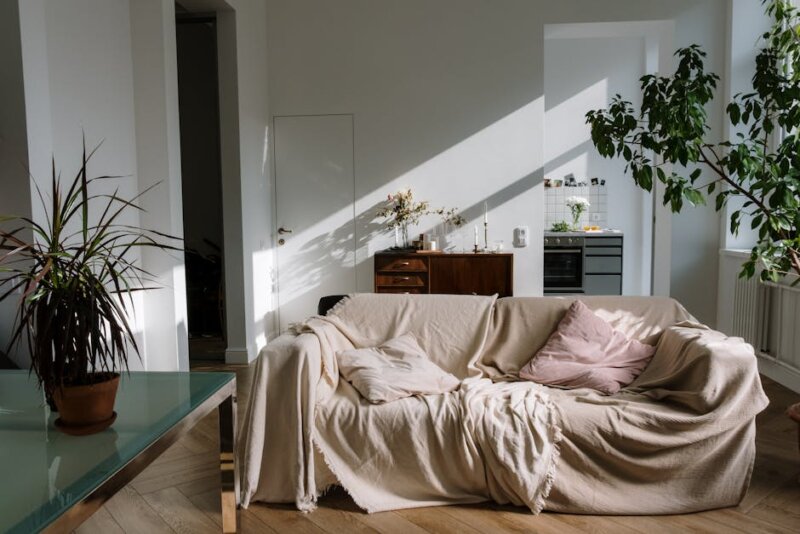
When it comes to textiles, think organic and earthy. Embrace natural fabrics like linen, cotton, and wool. These materials not only feel fantastic but also develop character with use. For colors, stick to a palette inspired by nature—soft browns, muted greens, stormy grays, and rusty reds.

Layer these textiles to add depth and texture to your home. A linen throw on a leather couch or a wool rug on a wooden floor creates an inviting, lived-in feel. Mix and match patterns and textures to create a harmonious yet dynamic environment.
Finding Beauty in Repair: The Art of Kintsugi
Incorporating the art of kintsugi—the Japanese practice of repairing broken pottery with lacquer mixed with powdered gold—can be a profound way to embody Wabi-Sabi. This practice not only repairs but enhances the item’s beauty, emphasizing its history and imperfections.
You can apply this concept metaphorically throughout your home. Think of it as celebrating the life span of an object and viewing repairs as part of its rich history. Be it a cracked vase or a chipped chair, fixing these items can become a mindful practice, reminding you that broken isn’t the end; it’s merely a new beginning.
Practical Takeaway: Creating an Inviting Wabi-Sabi Home
To truly embrace Wabi-Sabi, focus on creating a home that tells your story through its imperfections and cherished items. Opt for natural materials that age beautifully and choose quality over quantity. Let go of the desire for perfection, and instead, find peace and beauty in the everyday wear and tear.

In 2026, allow Wabi-Sabi to guide you towards a home that is more than just a space—it’s a reflection of your life’s journey, a sanctuary that finds beauty in the imperfect and incomplete.