The Vertical Gardening Revolution

It’s 2026, and vertical gardens are blossoming as the most innovative way to bring nature into urban living spaces. With increasing urbanization, the quest for green, sustainable, and aesthetically pleasing environments has never been more intense. Vertical gardening is not just a trend; it’s a revolutionary approach to incorporating greenery into compact spaces. Imagine a living wall adorned with vibrant greens and colorful blooms, providing a serene escape right in your living room or balcony.
Why Vertical Gardens? The Benefits Explained
Vertical gardens offer a myriad of benefits beyond aesthetic appeal. As cities grow denser, these gardens provide a practical solution to limited outdoor space. They can transform a bare wall into a lush oasis, enhancing air quality by producing oxygen and filtering pollutants. In fact, a study by the University of Arizona in 2024 showed that living walls can reduce indoor air pollutants by up to 30%.
Moreover, vertical gardens can help regulate temperature, acting as natural insulators. This means reduced energy costs, as these green walls can lower indoor temperatures by up to 3°C, which is significant in warmer months. Lastly, they provide a sense of tranquility and a connection to nature, essential for mental well-being in our busy lives.
Choosing the Right Plants for Your Vertical Garden
Selecting the right plants is crucial for the success of your vertical garden. Consider your home’s lighting conditions and climate when choosing your greenery. Ferns, Philodendrons, and Spider Plants are excellent choices for indoor vertical gardens due to their adaptability and low maintenance needs.
- Ferns: These are perfect for shaded areas and add a tropical vibe.
- Philodendrons: Known for their heart-shaped leaves, they thrive in low light and are resilient to varying conditions.
- Spider Plants: Not only are they easy to care for, but they also help purify the air.
For outdoor vertical gardens, consider succulents and ivy, which can withstand more direct sunlight and varying weather conditions.
Designing Your Vertical Garden: Tips and Tricks
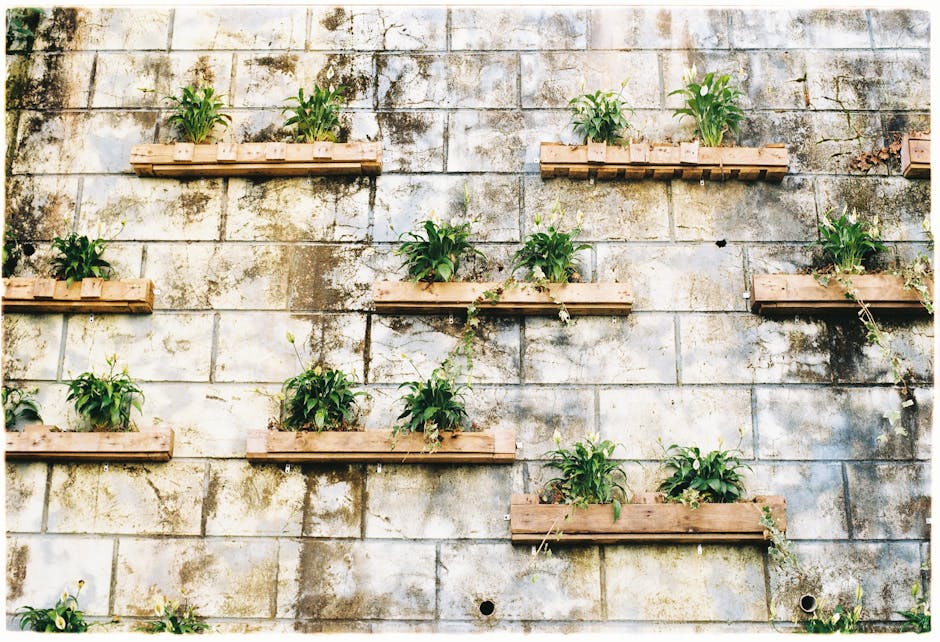
Creating a vertical garden goes beyond just planting seeds—it’s about designing a living artwork. Start by determining the style and structure of your garden. You can opt for a ready-made modular system, which allows for easy installation and maintenance. Alternatively, get creative with DIY setups using recycled materials like pallets or old picture frames.
Ensure a proper watering system. Drip irrigation is highly recommended for vertical gardens as it efficiently distributes water, preventing overwatering and ensuring each plant gets the right amount. Smart sensors can now automate this process, adjusting to your garden’s specific needs.
Finally, consider incorporating technology for an enhanced experience. Smart grow lights and moisture sensors can ensure your vertical garden thrives, even if your thumb isn’t particularly green.
Maximizing Space: Creative Layouts for Different Home Areas
Vertical gardens are incredibly versatile and can be adapted to any space, whether it’s your kitchen, bathroom, or balcony. In the kitchen, consider a vertical herb garden. It’s not only practical for cooking but also adds a fresh aroma to your home. Basil, mint, and oregano are popular choices.
In the bathroom, moisture-loving plants like ferns and peace lilies can thrive, turning your space into a calming sanctuary. For balconies, climbing plants like jasmine or morning glory can create a natural barrier, providing privacy and beauty.
Practical Takeaway: Making Your Vertical Garden Dreams Come True
Embarking on the vertical gardening journey is about creating a personal oasis that enhances your living space and well-being. Begin small, experiment with different plants, and don’t hesitate to try various designs until you find what suits your lifestyle. Remember, the key is to enjoy the process and let your creativity flourish as your garden grows.