Introduction to Sensory Living
As we navigate the intricacies of modern living, our homes have evolved into more than just places of shelter. They’ve become our sanctuaries, our workspaces, and our playgrounds. In 2026, the concept of sensory living has taken center stage, emphasizing the importance of designing spaces that engage all five senses. This approach not only enhances our well-being but also creates a harmonious environment that caters to our innate need for sensory stimulation.
Engaging the Sense of Sight: Visual Harmony
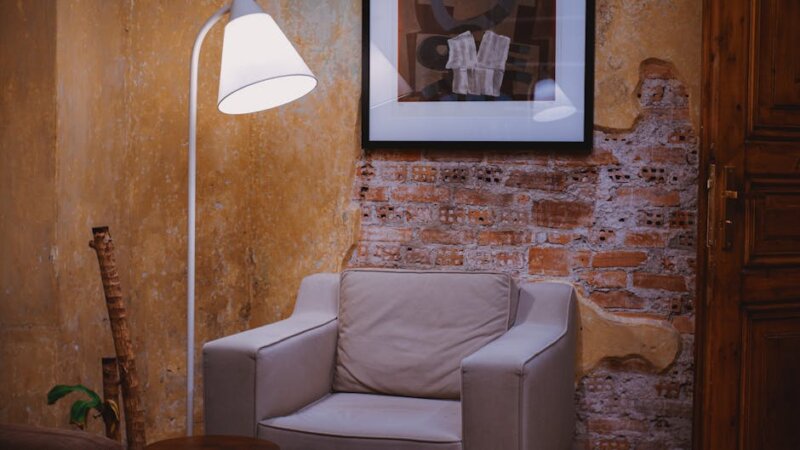
Our homes are visual canvases, and the way they look can deeply affect our mood and productivity. In 2026, homeowners are prioritizing visual harmony by incorporating color schemes that are both soothing and invigorating. For instance, soft pastels paired with bold accents, like deep teal or rich maroon, can create a balanced and inviting space. Furthermore, the use of natural light is paramount. Large, unobstructed windows and strategically placed mirrors can amplify the natural light, making spaces feel larger and more vibrant.
Consider investing in smart lighting systems that mimic natural light cycles. These systems can adjust the hue and intensity of light based on the time of day, promoting better sleep and overall health. In Tokyo, for instance, many apartments have adopted this technology, integrating it seamlessly with their minimalist design.
Soundscapes: Creating Acoustic Comfort
Sound has an undeniable impact on our mental state. Designing a home with sound in mind can transform a chaotic environment into a tranquil retreat. In bustling urban areas like New York City, soundproofing has become a crucial element of home design. Implementing solutions like acoustic panels, heavy drapery, and plush rugs can significantly reduce noise pollution.
Additionally, curated soundscapes can enhance the ambiance of your home. Consider installing a sound system that plays gentle ambient sounds or nature-inspired playlists. Research from the University of California in 2025 found that listening to natural sounds can reduce stress levels by up to 30%.
Touch: Tactile Textures for Comfort
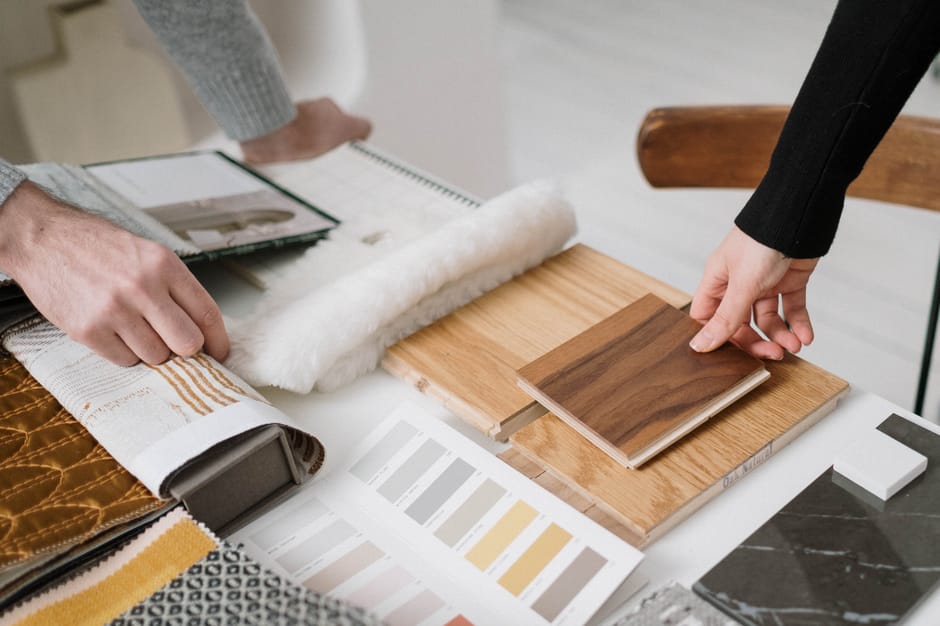
Our sense of touch is constantly interacting with the surfaces around us. In 2026, there’s a growing trend towards incorporating a variety of textures to stimulate this sense. Soft, knitted throws, smooth wooden surfaces, and plush velvet cushions all contribute to a cozy and inviting atmosphere.
Incorporating natural materials, such as bamboo or reclaimed wood, not only adds textural variety but also aligns with sustainable living practices. Scandinavian home design has long been a proponent of this approach, and its influence is spreading worldwide.
Engaging Your Sense of Smell: Aromatic Environments
The power of scent is profound; it can evoke memories, influence emotions, and even improve cognitive function. In 2026, homeowners are embracing aromatic environments by using essential oil diffusers and scented candles. Lavender, for instance, is known for its calming properties, while citrus scents can invigorate and energize.
A popular trend is the integration of scent zoning, where different areas of the house have distinct fragrances. The kitchen might feature invigorating basil or peppermint, while the bedroom is reserved for calming chamomile or vanilla.
Taste: Culinary Spaces That Delight
The kitchen is often considered the heart of the home, and it’s where the sense of taste truly comes to life. In 2026, culinary spaces are designed to be both functional and aesthetically pleasing. Open-concept kitchens with large islands encourage social interaction and make cooking a communal experience.
Smart kitchen appliances, like refrigerators that suggest recipes based on available ingredients, are becoming more widespread. This technology not only makes meal preparation more efficient but also helps reduce food waste.
Practical Takeaway
Designing your home to engage all five senses can transform it into a sanctuary that nourishes your mind and body. By incorporating elements that appeal to sight, sound, touch, smell, and taste, you create a more holistic and nurturing living space. As we continue to adapt to the changing rhythms of life in 2026, sensory living offers a pathway to greater well-being and contentment.