Why Vertical Gardens are Taking Root in 2026

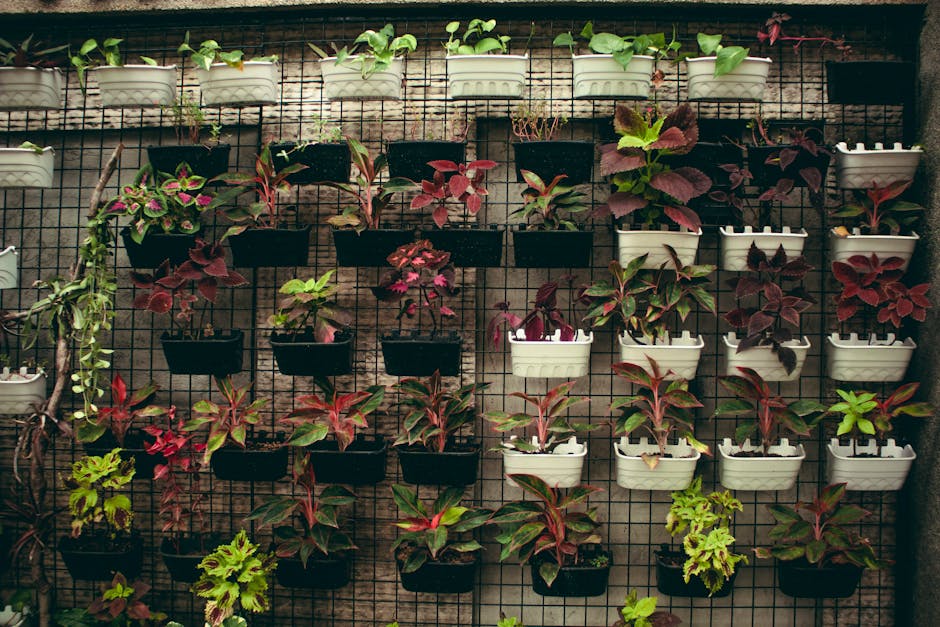
As we step into 2026, urban living spaces continue to shrink, pushing homeowners and renters alike to find innovative ways to incorporate greenery into their lives. Enter the vertical garden—a space-saving, eco-friendly solution that’s more popular than ever. No longer confined to avant-garde design magazines, vertical gardens in 2026 are sprouting up on balconies, in kitchens, and even within living rooms across the globe. But why the surge in popularity? Beyond their undeniable aesthetic appeal, vertical gardens contribute to improved air quality, increased energy efficiency, and a personal connection to nature.
Designing Your Vertical Garden: A Step-by-Step Guide
Ready to embark on your vertical gardening journey? Here’s how you can get started:
- Choose Your Wall: Look for a spot that receives adequate sunlight, as most plants will need at least 5-6 hours of direct light each day. This could be a kitchen wall, a balcony railing, or even a fence in your backyard.
- Select the Right Structure: The structure of your vertical garden is crucial. Options range from simple DIY solutions like wood pallets or hanging shoe organizers to more sophisticated prefabricated panels with built-in irrigation systems.
- Pick Your Plants: Consider herbs, succulents, and small flowering plants that thrive in confined spaces. Basil, thyme, and parsley are popular choices for culinary enthusiasts, while ferns and ivy add lush greenery without requiring extensive care.
- Prepare the Soil and Irrigation: Use lightweight, well-draining soil and consider installing a drip irrigation system to ensure consistent watering. This is particularly important if your vertical garden is indoors or in a high-rise apartment.
- Maintenance: Regularly check for pests and ensure that your plants are receiving adequate nutrients. Vertical gardens can be more susceptible to pests, so natural pest repellents are a wise investment.
The Benefits of Vertical Gardening in Urban Areas
Vertical gardens are not just about beautifying your space; they come with a host of benefits that are particularly relevant in urban settings:
- Space Efficiency: Vertical gardens allow urban dwellers to maximize limited space, making them ideal for apartments and tight spaces where traditional gardening isn’t feasible.
- Improved Air Quality: Plants naturally filter pollutants and produce oxygen, enhancing the air quality within your home.
- Energy Savings: A green wall can act as an extra layer of insulation, keeping your home cooler in the summer and warmer in the winter, potentially reducing energy bills.
- Psychological Wellbeing: Studies have shown that exposure to greenery can reduce stress and improve mental health. Having a slice of nature within your home can act as a daily mood booster.
Common Challenges and How to Overcome Them

While vertical gardens are a fantastic addition to any home, they do come with their own set of challenges:
- Overwatering: With gravity pulling water downwards, the plants at the top may receive more water than those at the bottom. Counter this by using a drip irrigation system and checking soil moisture levels regularly.
- Pests: Vertical gardens can sometimes attract unwanted pests. Use natural remedies like neem oil or companion planting strategies to keep pests at bay.
- Structural Integrity: Ensure that your chosen wall or structure can support the weight of the fully planted garden, especially when the plants are watered.
The Future of Vertical Gardens: What to Expect
Looking ahead, vertical gardening technology is advancing rapidly, with smart systems that monitor soil moisture, plant health, and even nutrient levels becoming more accessible. As we move towards more sustainable living practices in 2026 and beyond, vertical gardens are set to become an integral part of urban architecture, transforming our cities into lush, eco-friendly habitats.
Incorporating a vertical garden into your home not only enhances your living space but also contributes positively to the environment. It’s an innovative blend of technology and nature that symbolizes a shift towards a more sustainable way of living. If you’re ready to embrace this green trend, know that the rewards are bountiful—whether you’re savoring fresh herbs from your kitchen wall or basking in the tranquility that only greenery can provide.
Your Vertical Garden Starter Kit
To kickstart your vertical gardening journey, consider investing in a starter kit that includes a modular panel, starter plants like herbs or succulents, and a basic irrigation system. These kits are widely available online and at local garden centers, making it easy to transform your space into a verdant paradise.
So, don’t hesitate. Begin your vertical gardening journey today and transform your home into a vibrant, sustainable sanctuary.