Embrace the Culinary Adventure
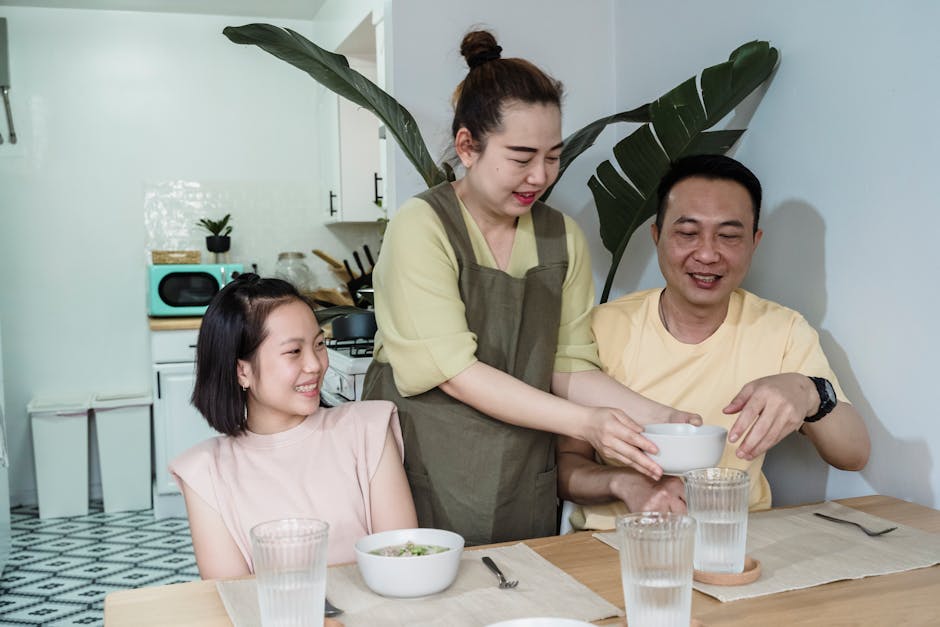
Dining at home has evolved dramatically over the last few years. It’s no longer just about cooking and eating; it’s about creating an experience that delights all the senses. In 2026, homeowners are crafting interactive dining experiences that transform meals into adventures. Think of it as bringing the vibrancy of a fine dining restaurant into the comfort of your living room.
Interactive dining is about engaging your guests and yourself with the process of meal preparation, presentation, and consumption. It’s about more than just the food on the plate; it’s the entire experience from start to finish. Let’s explore how you can design your own immersive dining adventure at home.
Setting the Stage: Atmosphere and Ambiance
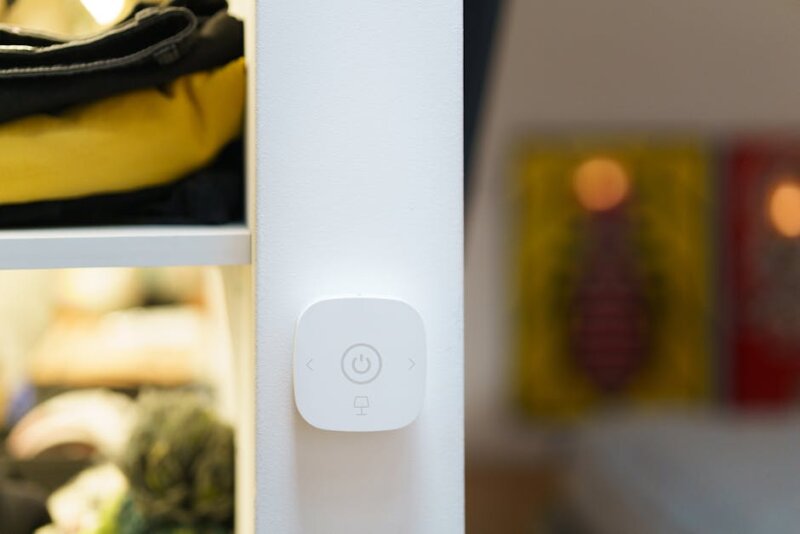
The atmosphere sets the tone for your dining experience. Start by choosing a theme that excites you, perhaps a Moroccan feast or a rustic Italian dinner. Use lighting to create mood; install dimmable smart lights that you can control from your phone, allowing flexibility to shift the ambiance as the night progresses.

Musical accompaniments can also enhance the experience. Consider using smart speakers to play curated playlists that match your theme. If you’re hosting a Spanish tapas night, some flamenco tunes could add an authentic touch.
Interactive Cooking Stations: Engage All Senses
Setting up interactive cooking stations is a fantastic way to involve your guests. Create a sushi-rolling bar or a DIY pizza station with a variety of toppings. Not only does this engage guests in the culinary process, but it also serves as a conversation starter. Having a small induction cooktop on the table can enable guests to grill their own vegetables or meats, making the meal both fun and customizable.
If you want to add a touch of theatricality, consider using molecular gastronomy techniques, such as liquid nitrogen to create dramatic smoke effects or spherification to make your own caviar-like spheres. These modern twists not only look impressive but also allow guests to experience the science behind the food.
Personalized Dining Experiences: Customization at Its Best
Why not let your guests tailor their dining experience? Create a digital menu they can access on their smartphones, offering options such as gluten-free, vegan, or keto alternatives. This not only caters to dietary preferences but also adds an element of choice and personalization.
Taking it a step further, integrate augmented reality (AR) into your dining experience. With AR glasses or apps, guests can view descriptions and origin stories of each dish projected over the table. Imagine the thrill of seeing a digital map showing where each ingredient in your meal comes from, right at the dining table.
The Art of Presentation: More Than Just Food
Presentation is key in interactive dining. Consider using unconventional serving dishes like slate boards, wooden planks, or even edible bowls made of bread or chocolate. These add an element of surprise and delight.
Moreover, consider the layout of your table. Use a combination of heights and textures to create visual interest. Incorporate elements from nature, like fresh herbs or edible flowers, not just as garnishes but as part of the dining decor.
Memorable Takeaways: The Perfect Ending
Every great meal ends with a memorable takeaway. Provide guests with recipe cards for the dishes they enjoyed or small jars of homemade spice blends. These little tokens connect them back to the experience long after the evening has ended. It’s about building a sense of community and shared memories that linger beyond the dining table.
Creating an interactive dining experience at home is more than a trend; it’s an evolving lifestyle choice that merges creativity with hospitality. It’s about making every meal a unique event, a shared journey rather than just another dinner. As we move further into 2026, the potential for these culinary adventures continues to expand, limited only by imagination.