The Resurgence of Handcrafted Beauty

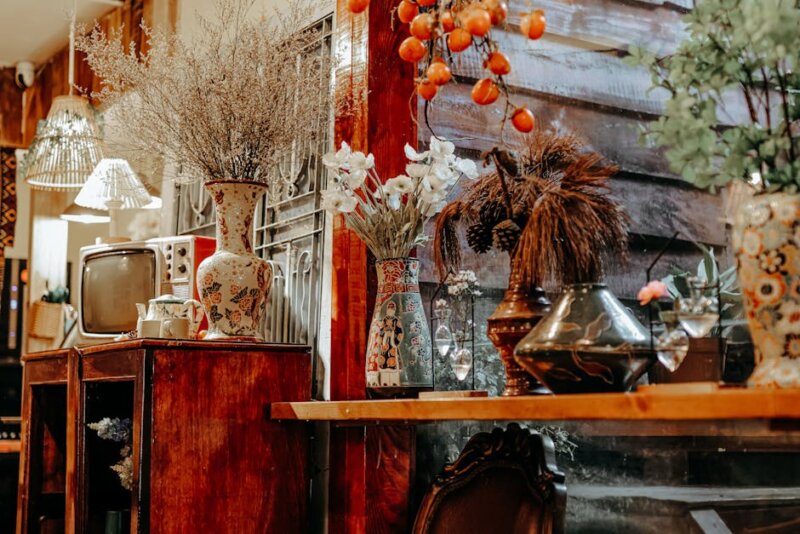
In 2026, homes are moving away from the mass-produced and embracing a revival of artisanal beauty. This shift isn’t just about aesthetics; it’s about creating spaces that reflect personality, culture, and craftsmanship. With more families wanting unique, meaningful homes, handmade elements are becoming the heart of interior design. From hand-knotted rugs to bespoke furniture, the artisanal touch adds a layer of warmth and individuality that factory-made items simply can’t replicate.
Supporting Local Artisans
One of the most rewarding aspects of incorporating handmade pieces into your home is the opportunity to support local artisans. Cities like Asheville, North Carolina, and Santa Fe, New Mexico, are renowned for their vibrant artisan communities. By purchasing from these skilled craftsmen, you not only acquire a unique piece but also contribute to sustaining traditional crafts. Imagine a hand-carved wooden dining table from a craftsman in Vermont or a vibrant ceramic vase from a potter in the Pacific Northwest — each item tells a story and brings a slice of its maker’s world into your home.
Infusing Personality with Custom Decor
Your home should be a mirror of your personality, and what better way to showcase that than through custom decor? Commissioning a piece of art or furniture means you can influence its design, size, and material, ensuring it perfectly fits your space and style. This level of personalization can be seen in projects that involve working with a local artist to create a mural that captures your family’s essence or collaborating with a carpenter to design a bookshelf that accommodates your prized book collection. These touches not only enhance the aesthetic but create an emotional connection to the space.
Handmade Textiles: Comfort and Craft

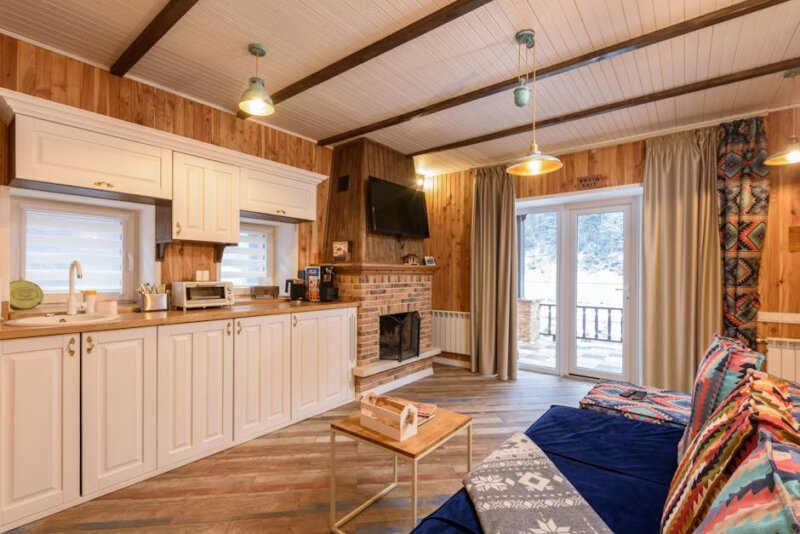
Textiles are a simple yet effective way to integrate handcraft into your home. In 2026, textiles such as hand-woven blankets, embroidered cushions, and artisanal tapestries are making a significant impact. These items bring texture and color while offering comfort and warmth. For instance, a hand-woven alpaca throw from a South American artisan can transform a basic couch into a cozy haven. Similarly, vibrant, hand-embroidered cushions from India can add an exotic flair to a minimalist space. The world of textiles offers endless possibilities to layer your home with comfort without compromising on style.
Cultural Influences and Global Artisanship
Today’s homeowners are increasingly drawn to global influences and the stories behind them. Decor inspired by global artisanship not only enhances cultural appreciation but also introduces a variety of textures and designs into a home. Moroccan tiles, Japanese shoji screens, and Scandinavian woodwork are just a few examples of how different cultural elements can be woven into modern home design. These pieces not only serve as conversation starters but also bridge cultural gaps by celebrating diversity in craftsmanship.
Practical Takeaway: Start Small, Think Big
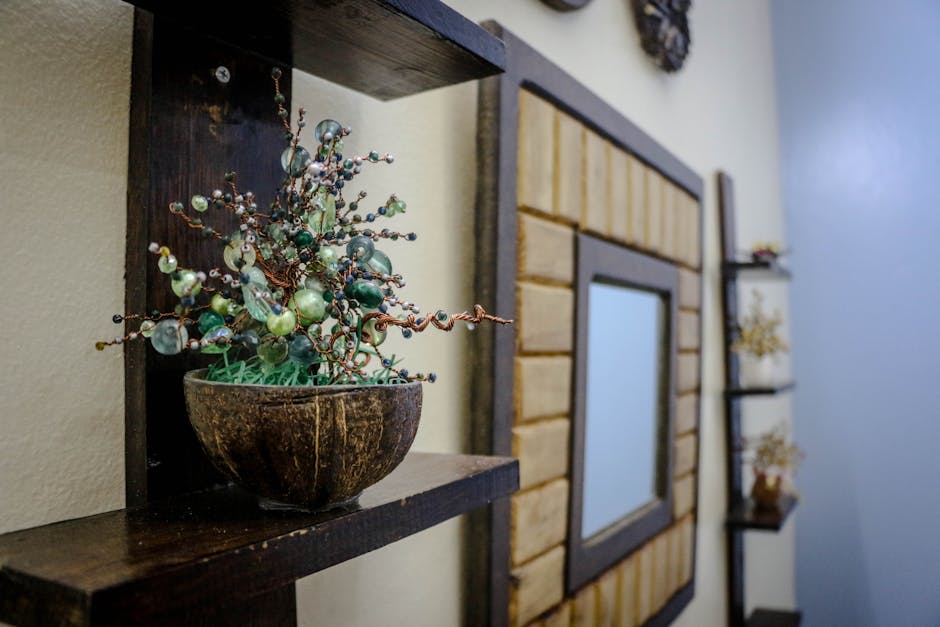
Embracing artisanal touches in your home doesn’t require a complete overhaul. Start with small, meaningful pieces like a handcrafted vase or a pair of bespoke lamps. As you build your collection, consider how each piece can complement the others while contributing to a cohesive, personalized design. Over time, these carefully chosen items will transform your living space into a truly unique reflection of your tastes and values, rooted in artistry and craftsmanship.